
- 1. Northern Mountainous Ranges
- 2. Threats & Mountain Conservation
- 3. Himalayan Foothills & Potohar
- 4. Indus Flood Plains & Riverine
- 5. Deserts: Cholistan, Thall & Thar
- 6. Sulaiman & Kirthar Ranges
- 7. Aquatic Wildlife & Wetlands
- 8. South-Western Balochistan
- 9. Irrigated Forest Plantations
- 10. Carnivores & Birds of Prey
- 11. Coastline & Marine Turtles
- 12. Reptilian Fauna & Snakes
- 13. Migratory Waterfowl & Flyway
- 14. Pakistan Wildlife Photo Gallery
1. Northern Mountainous Ranges (Himalayas, Karakoram & Hindukush)
The mountainous areas embracing the Himalayan, Karakorum and Hindukush Ranges are rich in fauna and flora, as compared to other parts of the country. These areas provide an excellent habitat for wildlife in the form of alpine grazing lands, sub-alpine scrub and temperate forests. These habitats support a variety of wild animals. The areas are difficult for human beings to access, hence, most wildlife is present in reasonable numbers though some are endangered for other reasons.
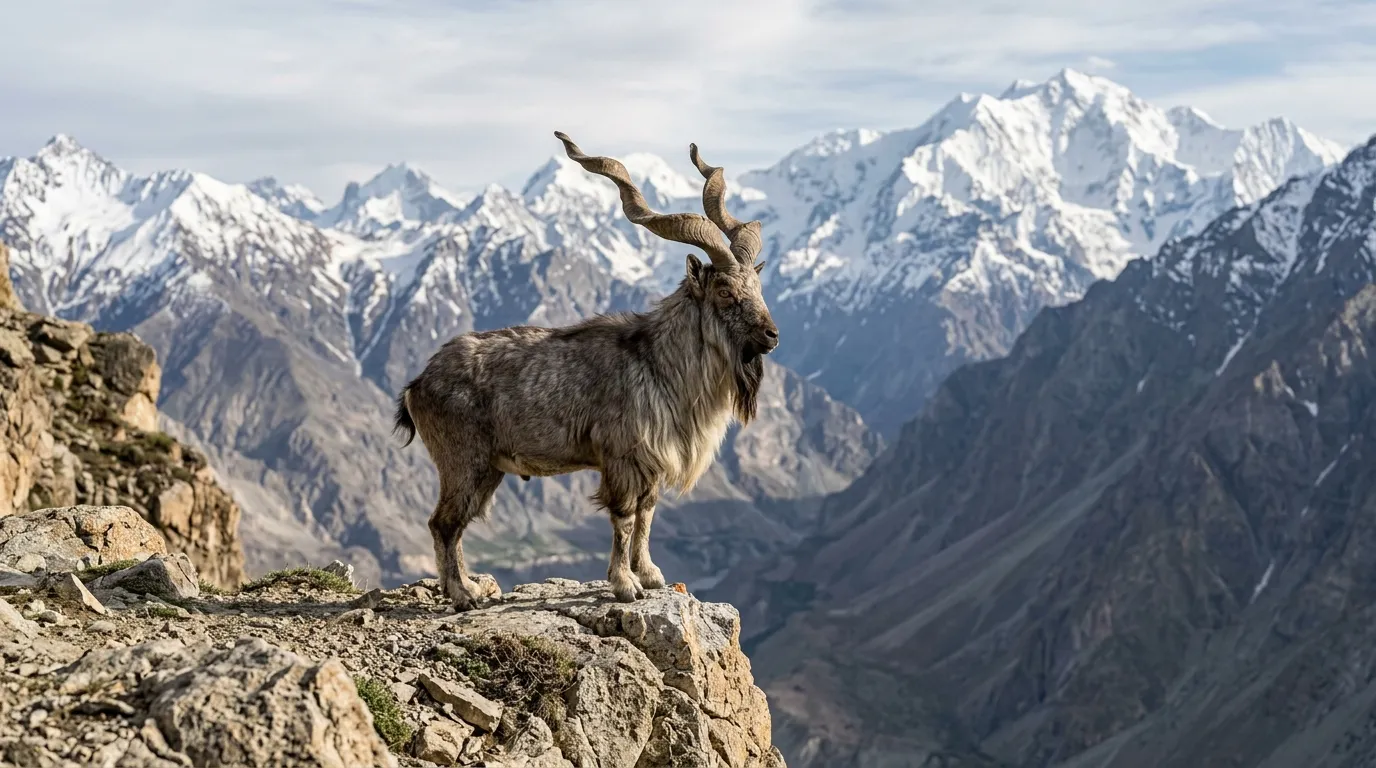
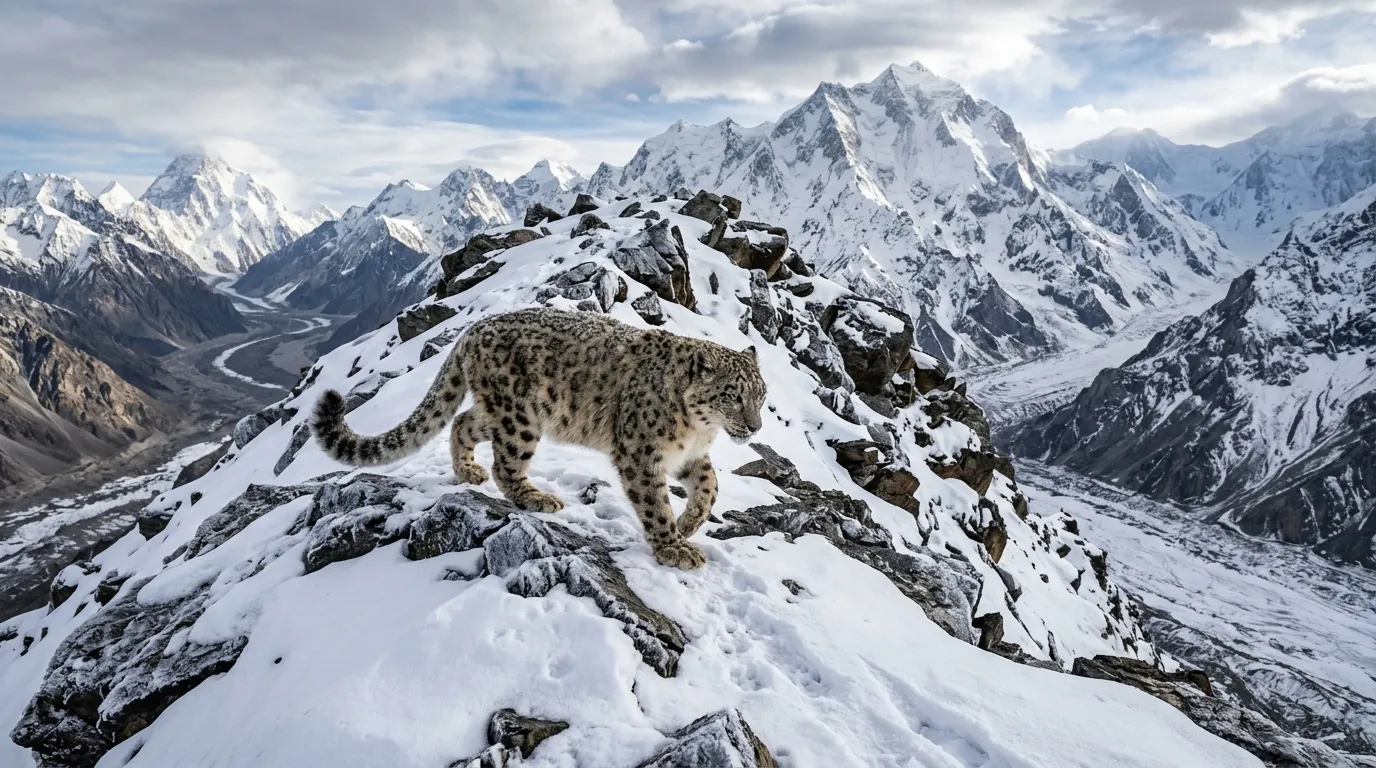
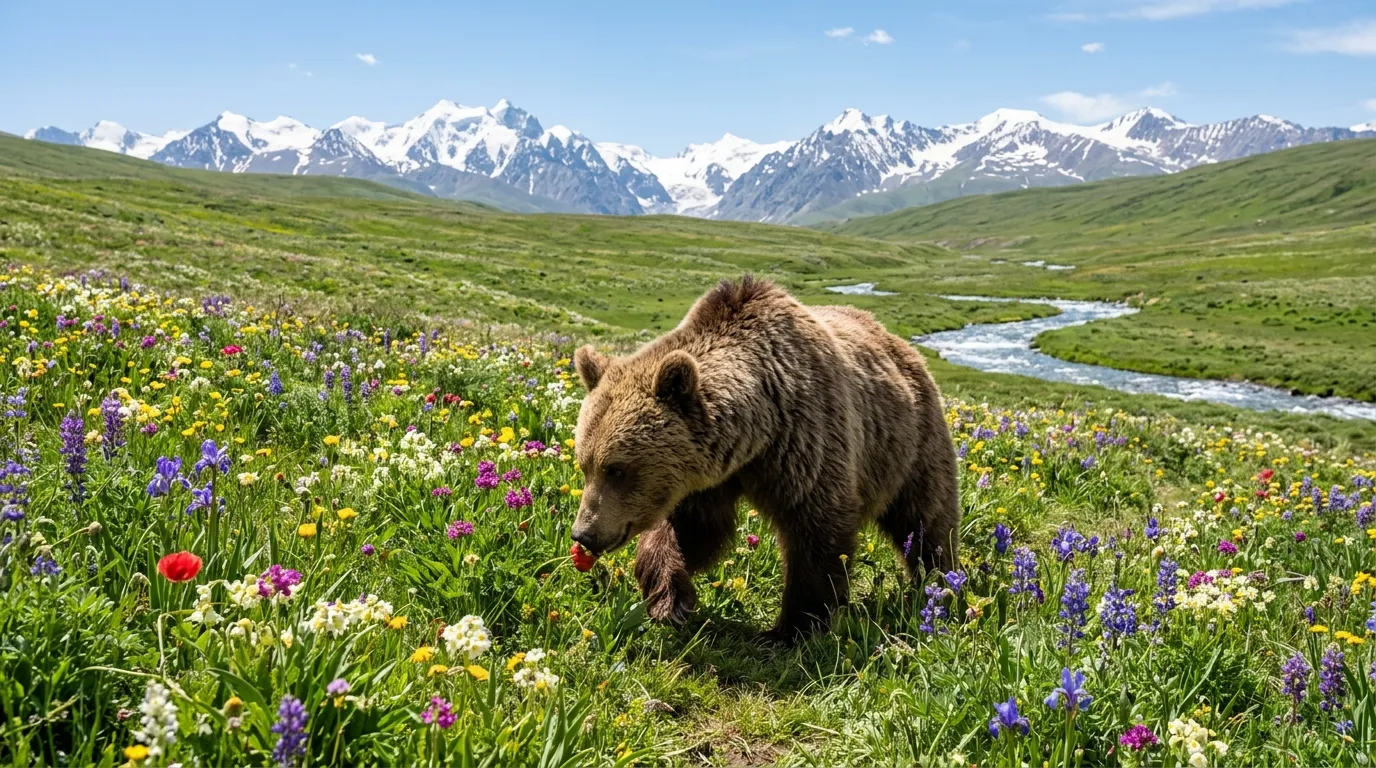
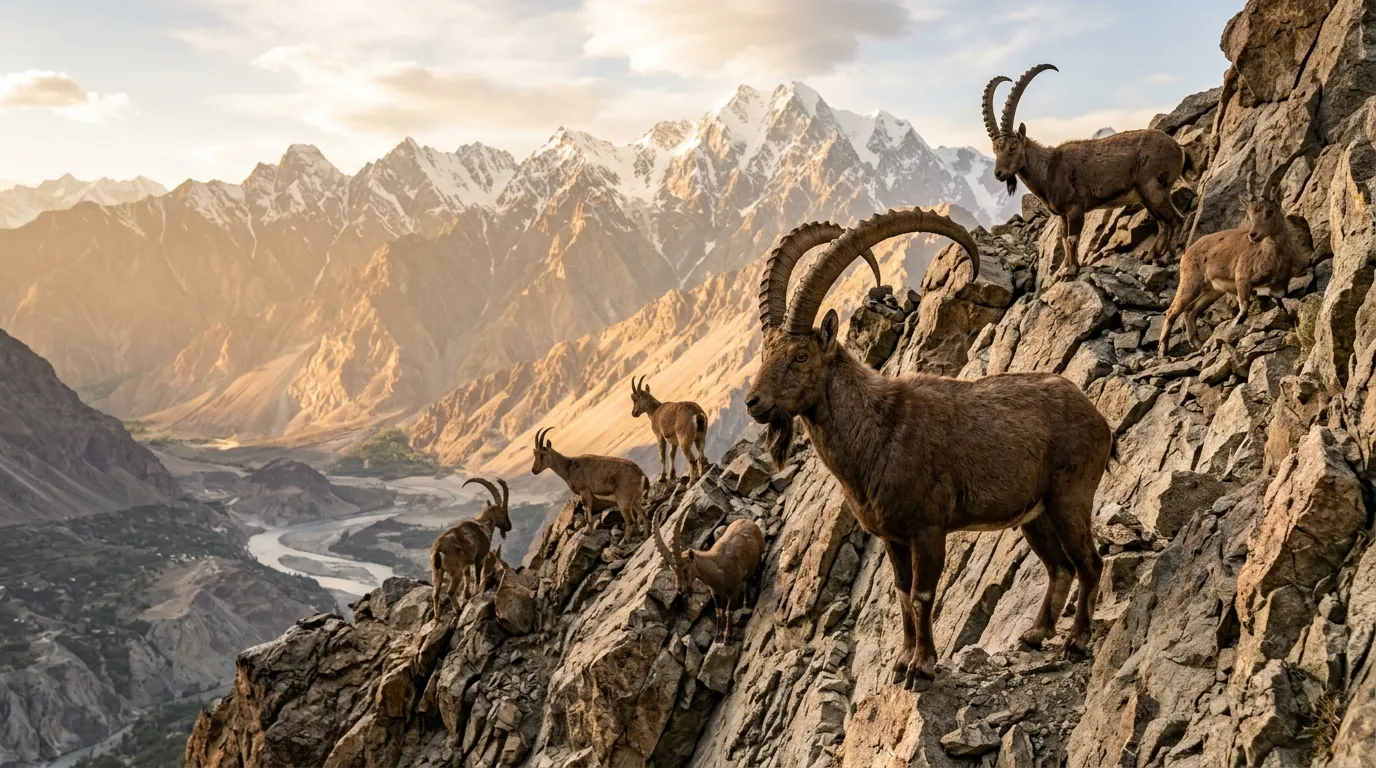
Some of the main wildlife species are the snow leopard, the black and the brown bears, otter, wolf, lynx, Himalayan ibex, markhor, bharal (blue sheep), Marco Polo's sheep, shapu (Ladakh urial), musk deer, marmots, tragopan and monal pheasants. The snow partridge and snowcock reside at higher elevations.
The Rhesus monkey, common langur, red fox, black bear, common leopard, a variety of cats, musk deer (over a limited area), goral, several species of flying squirrels, chakor, partridge and pheasants (koklass, kaleej and cheer) live in the lower elevations.
Amongst these the snow leopard, musk deer, Marco Polo's sheep, and the brown bear are endangered. The Tibetan wild ass and the blue sheep populations have been reduced drastically. The cheer pheasant is reported to be extinct from within Pakistan's boundaries, and is included in the IUCN Red Data Book. The western horned tragopan was reported to have disappeared from within Pakistani territory, but has now been relocated to Indus Kohistan, although its numbers are low.
Ibex Watching Tour & Wildlife Safaris in Pakistan
Experience the pristine wilderness of Northern Pakistan with our experienced native trackers and wildlife photographers. Our specialized Ibex Watching Tours and 4x4 Karakoram Wildlife Safaris offer ethical, non-invasive sightings of Himalayan Ibex, Golden Marmots, Brown Bears on the Deosai Plateau, and rare high-altitude birdlife.
2. Threats to Wildlife in Northern Mountainous Regions
The main threats to the population of wild animals in the northern mountainous regions include:
- Forage Competition: The competition with domestic livestock for existing natural alpine forage and high-altitude pastures.
- Human Interference: Increasing human interference in the form of terrace cultivation, deforestation for firewood, and human encroachment into sensitive buffer zones.
- Infrastructure & Road Development: The construction of roads, blasting, and expanding vehicular corridors through pristine valleys.
- Illegal Hunting & Poaching: Unregulated hunting, retaliatory carnivore killings, and illegal poaching for hides and trophies.
Community-based conservation initiatives, sustainable trophy hunting conservancies (where 80% of revenue goes directly to native mountain communities), and National Park rangers across Khunjerab, Central Karakoram, and Deosai have helped stabilize key populations of Markhor and Ibex in recent years.
3. The Himalayan Foothills & The Potohar Region
The Himalayan foothills and the Potohar region, including the Salt Range and Kala Chitta Range, are covered with scrub forests, which have been reduced to scanty growth in most places.
Medium-sized animals like the Punjab urial, barking deer, goral, chinkara, partridges (grey and black), seesee and chakor are supported in these habitats. A variety of rich songbird fauna also occurs throughout these rugged limestone hills and scrublands.
4. Vast Indus Flood Plains & Riverine Tracts
Vast Indus flood plains have been cleared of natural vegetation to grow crops. Very little wildlife habitat has been left untouched. Only animals like the jackal, mongoose, jungle cat, civet cat, scaly anteater (pangolin), desert cat and the wild hare occur in these areas.
Hog deer is found in riverine tracts and dense swamp forests. The crop residues and wild growth support reasonable populations of black and grey partridges.
5. Deserts of Pakistan: Cholistan, Thall & Thar
Little vegetative cover, severity of climatic conditions and the great thrust of grazing animals on the deserts have left wild animals in a precarious position. Parts of Thall and Cholistan are now being irrigated, with the situation almost identical to that of the flood plains. Chinkara is the only animal, which can still be found in average numbers in Cholistan, but rarely in Thall.
The blackbuck, once plentiful in Cholistan has now been eliminated in the wild. However, dedicated efforts and breeding sanctuaries (such as Lal Suhanra National Park) are actively working to reintroduce them back into the country. A small number of blue bulls (nilgai) are found along the Pak-Indian border, and some parts of Cholistan. Grey partridge, species of sandgrouse and the Indian courser are the main birds of the area. Peafowl occur in some areas in Cholistan.
The Thar Desert supports a fair population of the Chinkara gazelle. Peacocks are found in numbers in the wild, mainly because of the traditional cultural protection they enjoy in native Hindu communities. The wild ass (khur) migrates from the Indian part of the Rann of Kutch to the Pakistani part in search of seasonal forage and watering holes.
The Houbara bustard is a regular winter visitor to the desert. Visiting hunting parties have heavily reduced their numbers over past decades. The great Indian bustard is sporadically sighted. The imperial sandgrouse is another regular migrant visiting these arid plains. Grey partridges are frequently sighted, while the desert python is increasingly threatened with habitat loss.
6. The Sulaiman & Kirthar Mountain Ranges
The Sulaiman and Kirthar Ranges present habitats manifesting unique arid mountain characteristics. The Sulaiman Range supports the straight-horned markhor, chinkara and urial, whereas Sindh ibex, urial, chinkara and common leopard occupy the rugged limestone ridges of Kirthar National Park.
The straight-horned markhor, which is almost extinct from within settled boundaries of Pakistan, occurs in somewhat fair numbers in the surrounding Tribal Areas and Torghar conservancy. The chakor, seesee and grey partridge are birds commonly found throughout these rocky tracts.
7. Riverine Habitats, Aquatic Ecosystems & River Dolphin
The reed beds and tamarisk bushes along the rivers support hog deer and black partridge populations. However, due to occasional heavy seasonal floods and habitat clearing, their numbers have also been reduced.
The blind Indus River dolphin (Platanista minor), fishing cat, and smooth-coated otter are found in the Indus River waters below the Chashma Barrage, Taunsa, and Sukkur Barrage reserves. The gavial (gharial) has unfortunately become extinct in Pakistan. The marsh crocodile (mugger) is found in small isolated populations in lower Sindh (e.g. Haleji Lake and Nara Canal) and coastal rivers of Balochistan (Hingol River). Wild boar numbers have increased significantly because of the immunity they enjoy in a Muslim society that forbids their consumption.
8. South-Western Mountains & Plateaus of Balochistan
The animals found in the south-western mountains of Balochistan are: Sindh ibex, Chiltan markhor (endemic to Hazarganji-Chiltan National Park), straight-horned markhor, wild sheep, leopard, marbled polecat, Blanford's fox, chinkara, goitered gazelle and the marsh crocodile.
The Asiatic cheetah is believed to be extinct in the wild across Pakistan, and the Makran (Balochistan) bear is critically endangered. The Houbara bustard (migratory), sandgrouse, black and grey partridges, and the chakor and seesee partridges are also found across this vast arid province.
9. Irrigated Forest Plantations & Ungulates
Irrigated forest plantations (such as Changa Manga, Daphar, and Kundian) have emerged as a prevailing land use practice for the last 100 years. These ideally provide excellent shelter and habitat for chinkara, hog deer and blue bull.
However, traditional forest management often does not cater specifically to the nutritional and territorial needs of large wild ungulates. This, coupled with the poor implementation of wildlife protection laws in decades past, has resulted in the decline of larger mammal species in commercial irrigated plantations. Due to ongoing habitat disturbances and timber extraction, ungulates have struggled to establish large breeding herds, whereas ground birds like partridges have flourished remarkably well.
10. Large Carnivores & Birds of Prey (Raptors)
The striped hyena and the grey wolf are widely distributed in the sparsely populated desert, mountain, and scrub regions of the country. However, field research and census data about them remain scanty. Information about carnivores in general is challenging to obtain because of their nocturnal mode of life, extreme wariness of humans, and high geographic mobility. The black bear and brown bear population dynamics in remote high-altitude zones are also being continuously monitored by conservation biologists.
Birds of Prey (Raptors): Majestic raptors like the peregrine falcon, cherrug (saker) falcon, tawny eagle, imperial eagle, greater spotted eagle, osprey, shikra, and the black-winged kite occur throughout Pakistan. Their population statuses are subject to ongoing field surveys to mitigate illegal trapping for falconry trade and preserve critical cliff-nesting sites.
11. Pakistan's 1,050 km Coastline & Marine Fauna
Pakistan's coastline of 1,050 km along Sindh and the Makran coast of Balochistan consists of a rich variety of habitat types: mangrove forests of the Indus Delta, rocky cliffs, sandy beaches, mudflats, and offshore islands like Astola. These waters support a wide range of marine life, of which over 1,000 are marine and estuarine fish species.
Along the sandy shores and designated turtle beaches (such as Sandspit, Hawkesbay, and Astola Island), there are four recorded species of marine turtles: the olive ridley, green turtle, leatherback, and hawksbill turtle, which are of immense global ecological importance. Due to loss of nesting beaches, beach urbanization, plastic pollution, and accidental entanglement in commercial fishing nets, their populations face serious conservation challenges.
12. Reptilian Fauna, Freshwater Turtles & Snakes
About eight species of freshwater turtles (including the Indian softshell, peacock softshell, and spotted pond turtle) inhabit Pakistan's river systems, canals, and barrages.
Sand lizards, monitor lizards (Bengal & desert monitors), geckos, agamas, diamond snakes, sand snakes, saw-scaled vipers, Russell's vipers, black cobras, kraits, and the famous Indian rock python constitute Pakistan's remarkably diverse reptilian fauna, thriving across deserts, arid scrub, and rocky gorges.
13. Migratory Waterfowl, Ramsar Wetlands & The "Green Route"
Large water bodies and river barrages in the country support a staggering variety of waterfowl, both resident and migratory. The extent of wetlands is constantly changing: on one hand, swamps and natural marshes have been drained to reclaim agricultural land, whereas on the other hand, major storage reservoirs and irrigation dams (Tarbela, Mangla, Chashma, Keenjhar, Haleji, Uchalli Complex) have created vast artificial aquatic sanctuaries.
Canal irrigation seepage has also expanded waterlogged marshlands that provide feeding grounds for waterfowl. Pakistan's wetlands are recognized globally as one of the most critical wintering stopovers and Asian migratory corridors, known internationally as the Indus Flyway or "Green Route" of Asia.
Important Waterfowl in Pakistan:
- Migratory Ducks: Mallard, pintail, shoveler, common pochard, red-crested pochard, garganey, ruddy shelduck, common teal, tufted duck, and gadwall. The marbled teal and white-headed duck have decreased significantly in numbers and now visit wetlands infrequently.
- Wild Geese: Greylag goose and high-flying bar-headed geese crossing over the Himalayas.
- Waders, Storks & Large Waterfowl: Greater flamingos, pelicans, spoonbills, painted and black storks, glossy ibises, plovers, curlews, sandpipers, snipes, and grey and purple herons.
- Resident Wetland Birds: Purple gallinules, common moorhens, water rails, gulls, terns, water cock, little grebes, cormorants, great egrets, bitterns, and pheasant-tailed jacanas. The spot-billed duck, lesser whistling teal, and cotton pygmy-goose are resident breeding ducks.
- Coastal Waders: A rich wader fauna of sanderlings, dunlins, godwits, and oystercatchers visits Pakistan's 1,050 km coastline and mangrove creeks during the winter season.
Pakistan Wildlife & Nature Gallery
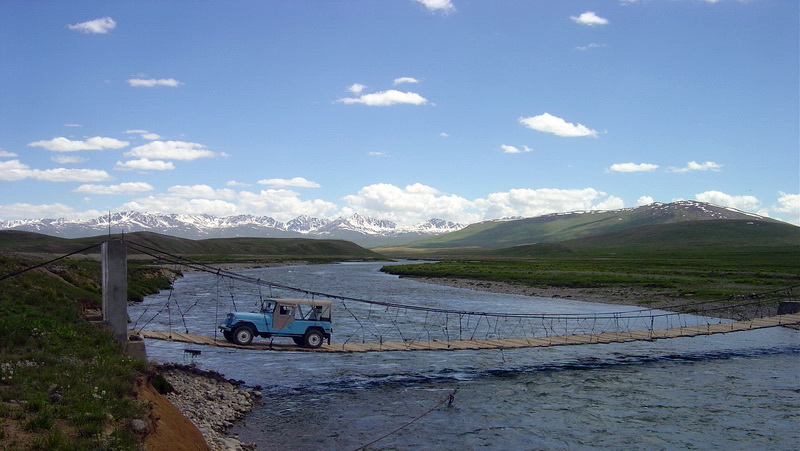
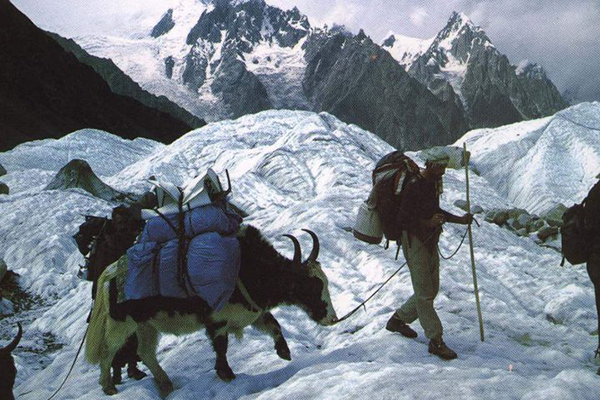
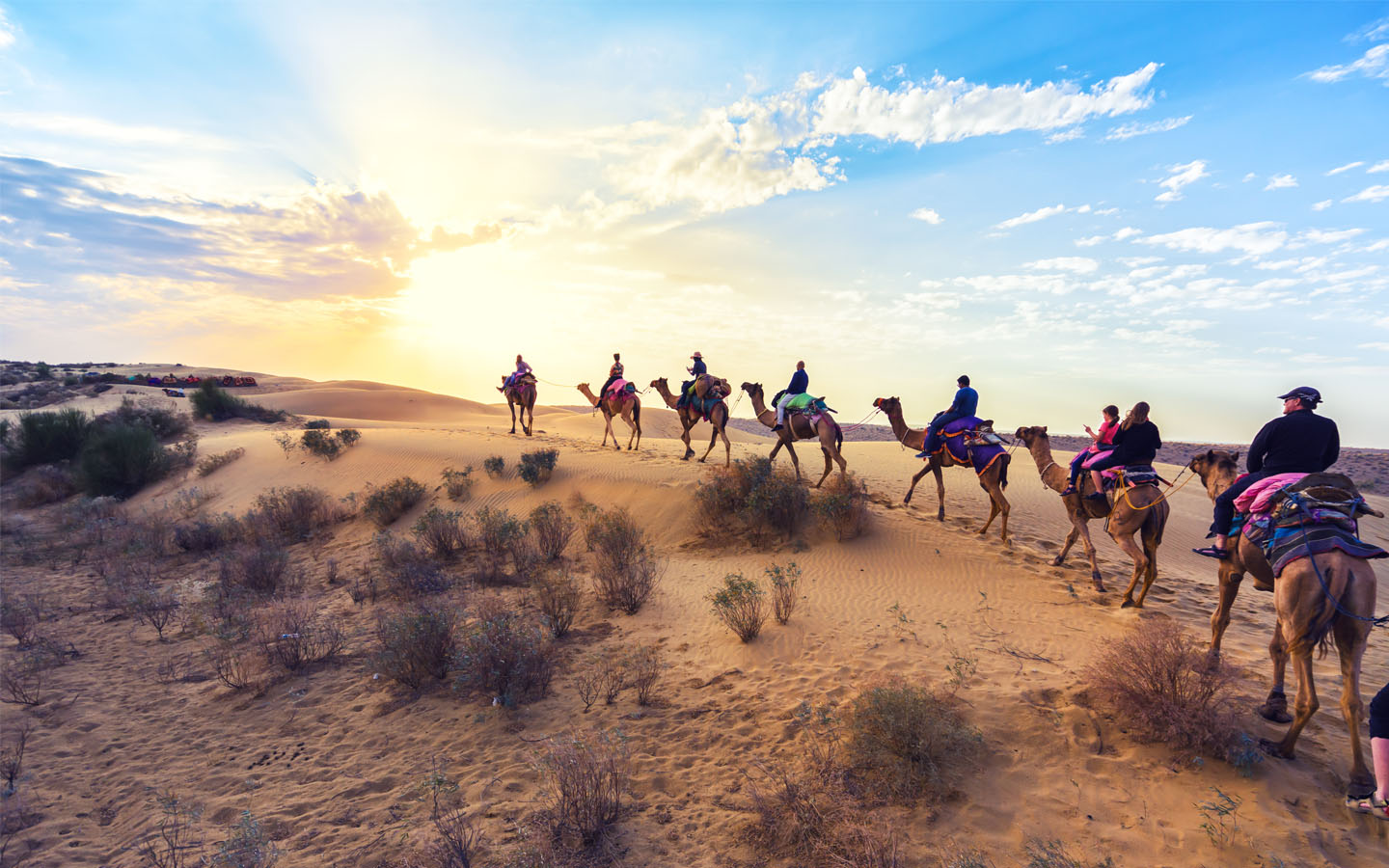
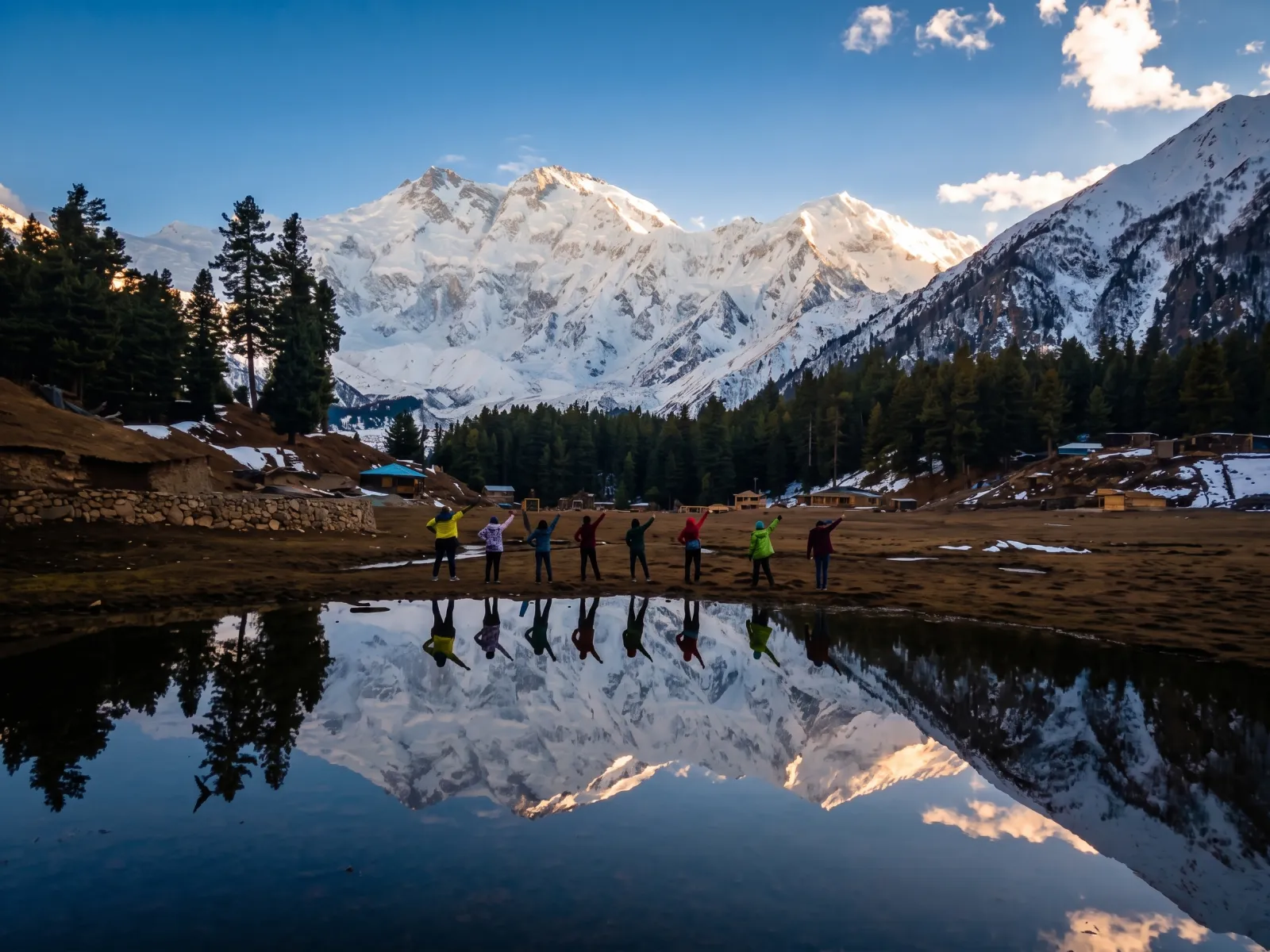
A curated photographic showcase of the iconic fauna, rare predators, and pristine natural habitats of Pakistan.
Plan Your Wildlife & Photography Expedition in Pakistan
Whether you want to spot the elusive Himalayan Ibex in Passu, photograph the Brown Bears of Deosai, or embark on a birdwatching tour along the Indus Flyway, our indigenous mountain guides and wildlife experts curate private, respectful eco-safaris tailored to your schedule.