Our Indigenous Manifesto: Tourism as a Force for Good
Responsible Tourism in Pakistan is a new approach to managing tourism that aims to balance economic, social, and environmental benefits while minimizing costs to destinations. Simply put, responsible tourism is tourism "which creates better places for people to live in, and better places to visit." It aims to achieve the triple-bottom-line outcomes of sustainable development: economic growth, environmental integrity, and social justice.
Hunza Adventure Tours as a Responsible Tour Operator
Since its launch, Hunza Adventure Tours has grown into a fully dedicated travel professional, run actively by trained and professional individuals in the tourism industry to offer the best of everything. Hunza Adventure Tours is committed to upholding the values of eco-tourism and responsible travel.
Hunza Adventure Tours believes in a tourism industry that makes a low impact on the natural environment and local culture while helping to generate income and employment for local people. Moreover, we promote the conservation goals of local ecosystems in both ecological and culturally sensitive aspects. Involving local people's participation plays a major role in sustainable tourism, and we take responsibility in the tourism industry.
Our Responsible Tourism Policy
Economic Responsibility
-
We promote trips offered by local suppliers and communities.
-
We ensure that returns from the trips featured on our website are generated back to host communities through services such as guides, accommodation, and transportation.
-
We ensure that local guides are engaged to provide better interpretive experiences.
-
We involve local communities wherever possible in our operations.
-
We purchase local products wherever possible.
Environmental Responsibility
We are committed to minimizing our impact on the natural environment through sustainable practices and conservation efforts.
Social Responsibility
-
We actively promote and raise awareness of responsible tourism and travel practices among travelers through our website, literature, and presentations.
-
Travelers who book through our website receive information on the destination prior to their trips, helping them understand and respect the culture and environment of the host destination.
-
We provide our staff with regular, ongoing training in the principles and practices of responsible tourism to ensure the policy is put into practice.
-
We take into consideration economic, environmental, and social issues when looking at new products and destinations.
-
We work together with our local partners in host destinations to implement responsible tourism guidelines and determine how these standards can be met.
-
We support local projects related to environmental conservation and local community development.
-
We buy souvenirs and handicrafts from local communities for our online store and corporate gifts.
Hunza Adventure Tours assures you that we are fully dedicated to fulfilling economic, environmental, and social responsibility in the tourism industry.
1. Ethical Porter Welfare, Dignity & Fair Living Wages
Our native Balti, Hunza, Shimshali, and Wakhi porters are the true heartbeat and heroes of every Karakoram expedition. Without their resilience, strength, and mountain wisdom, no climb to K2, Concordia, or Snow Lake would be possible. We adhere to rigorous standards that guarantee their safety, dignity, health, and economic well-being:
Every porter load is officially weighed at trailhead checkpoints (e.g., Askole, Hushe, Shimshal). We strictly prohibit overloading beyond the government and Alpine Club limit of 25kg.
100% of our mountain porters and staff are covered by comprehensive medical, accidental injury, and emergency military helicopter rescue insurance on all high-altitude routes.
We issue insulated sleeping mats, stormproof jackets, glacier sunglasses, thermal gloves, and mountain boots to all porters crossing high passes like Gondogoro La (5,680m) or Hispar La (5,151m).
Porters receive wholesome, high-calorie warm meals, fresh tea, and access to weather-resistant sleeping tents or established mountain shelters at every campsite.
2. Glacial Waste Management, Clean Energy & Leave No Trace
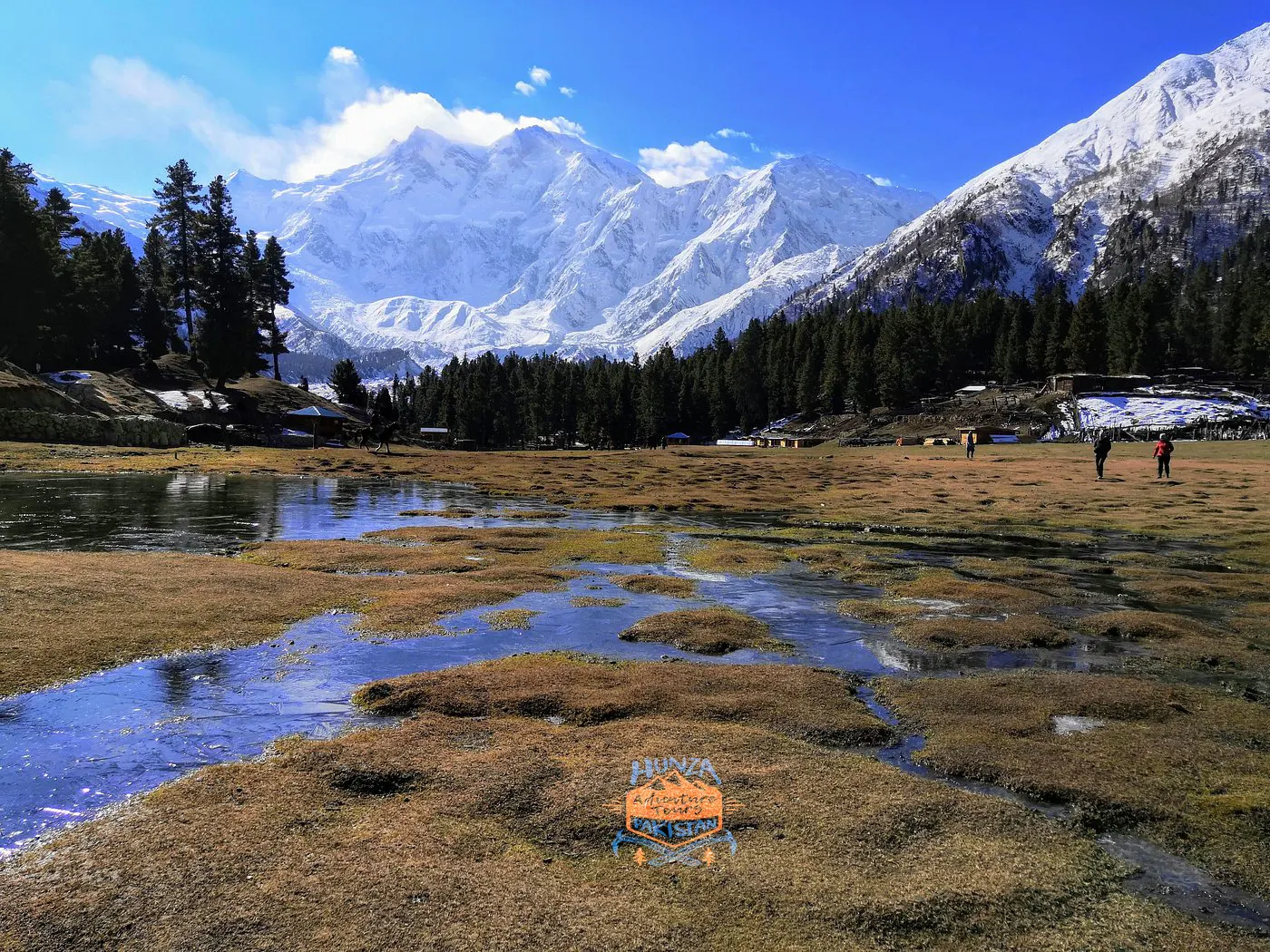
The Baltoro, Biafo, Batura, and Siachen glaciers form the frozen reservoir of South Asia. Glacial ecosystems decompose organic matter extremely slowly, making environmental stewardship essential on every expedition:
All non-biodegradable waste (tin cans, foil, plastic packaging, glass, batteries) is packed out and delivered to the Central Karakoram National Park (CKNP) Waste Management Complex in Askole for recycling.
We strictly ban the cutting or burning of fragile high-altitude juniper, birch, or alpine tamarisk. 100% of camp cooking and water heating is powered by pressurized kerosene or LPG stoves.
We provide Katadyn and LifeStraw high-volume gravity filtration systems in mess tents, saving over 5,000 single-use plastic mineral water bottles per trekking season.
We set up dedicated toilet tents situated strictly away from glacial meltwater channels and natural springs, using bio-degradable waste containment and lime treatment.
3. Community Empowerment & Indigenous Mountain Economy
Tourism revenue should directly uplift remote mountain families, preserve indigenous cultures, and foster educational opportunities in high valleys:
We procure organic fresh vegetables, apples, apricots, cherries, eggs, and dairy directly from local valley farmers across Hunza, Nagar, Skardu, Shigar, and Chitral.
We actively patronize women-led social enterprises including Karakoram Area Development Organization (KADO) carpet weaving, Ciqam women carpenters, and Kalash beadwork cooperatives.
100% of our mountain leaders, cultural experts, and climbing sirdars are native residents. We invest continuously in first-aid, leave-no-trace, and language training for mountain youth.
We actively celebrate and document ancient oral traditions, mountain music, folklore, and indigenous languages including Burushaski, Wakhi, Shina, Balti, Khowar, and Kalasha.
4. Wildlife Conservation & National Park Sanctuaries
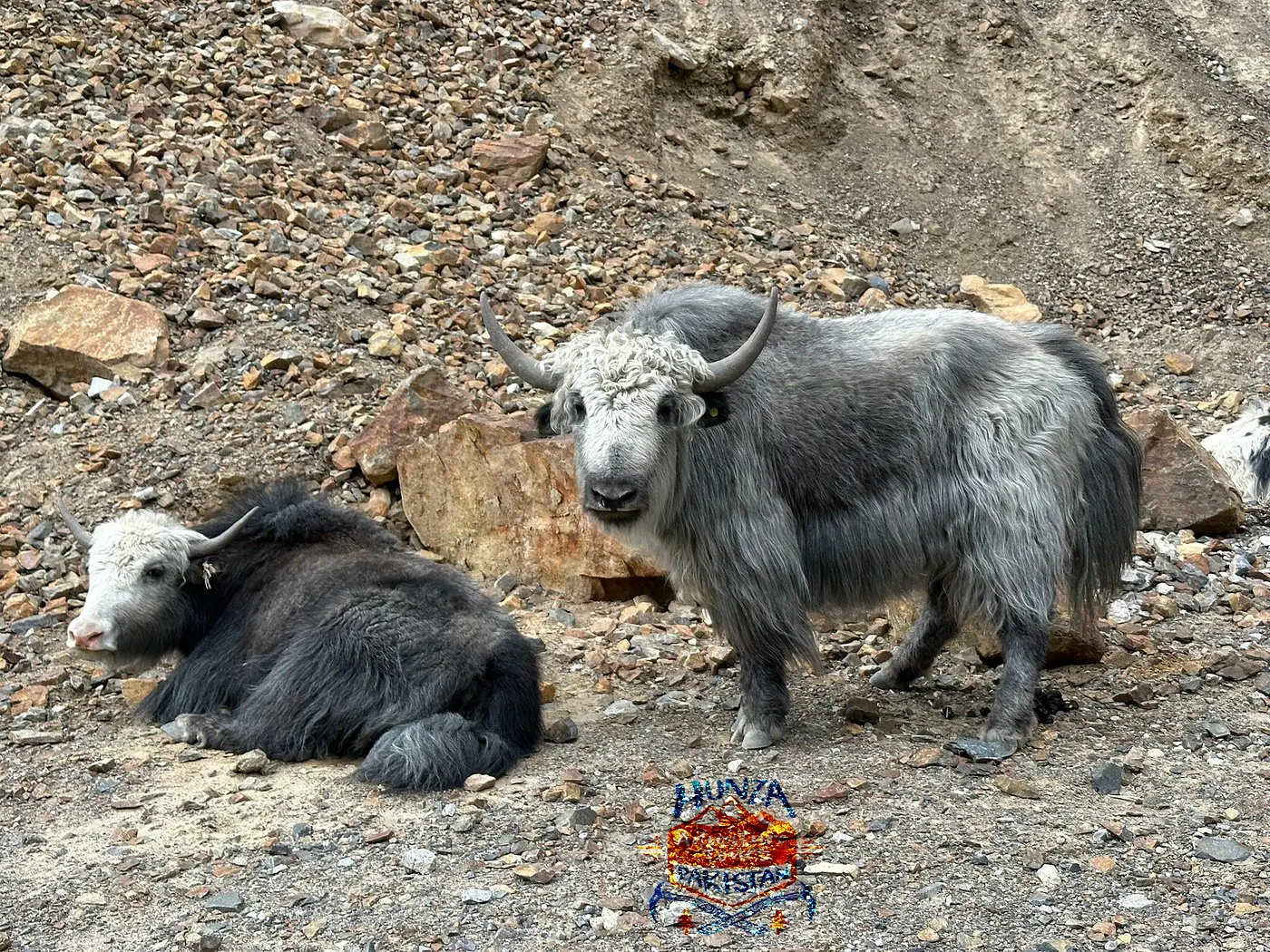
Gilgit-Baltistan and Khyber Pakhtunkhwa shelter some of the rarest high-mountain fauna on earth, including the elusive Snow Leopard, Himalayan Brown Bear, Astor Markhor, Marco Polo Sheep, and Himalayan Ibex:
We maintain strictly non-intrusive viewing distances using high-magnification spotting scopes and telephoto lenses. We enforce zero feeding, zero baiting, and minimal acoustic disturbance.
We support community-managed conservation areas (such as Khunjerab Villagers Organization and Shimshal Nature Trust) where local rangers protect wildlife corridors against illegal poaching.
5. Cultural Respect, Sacred Sites & Heritage Preservation
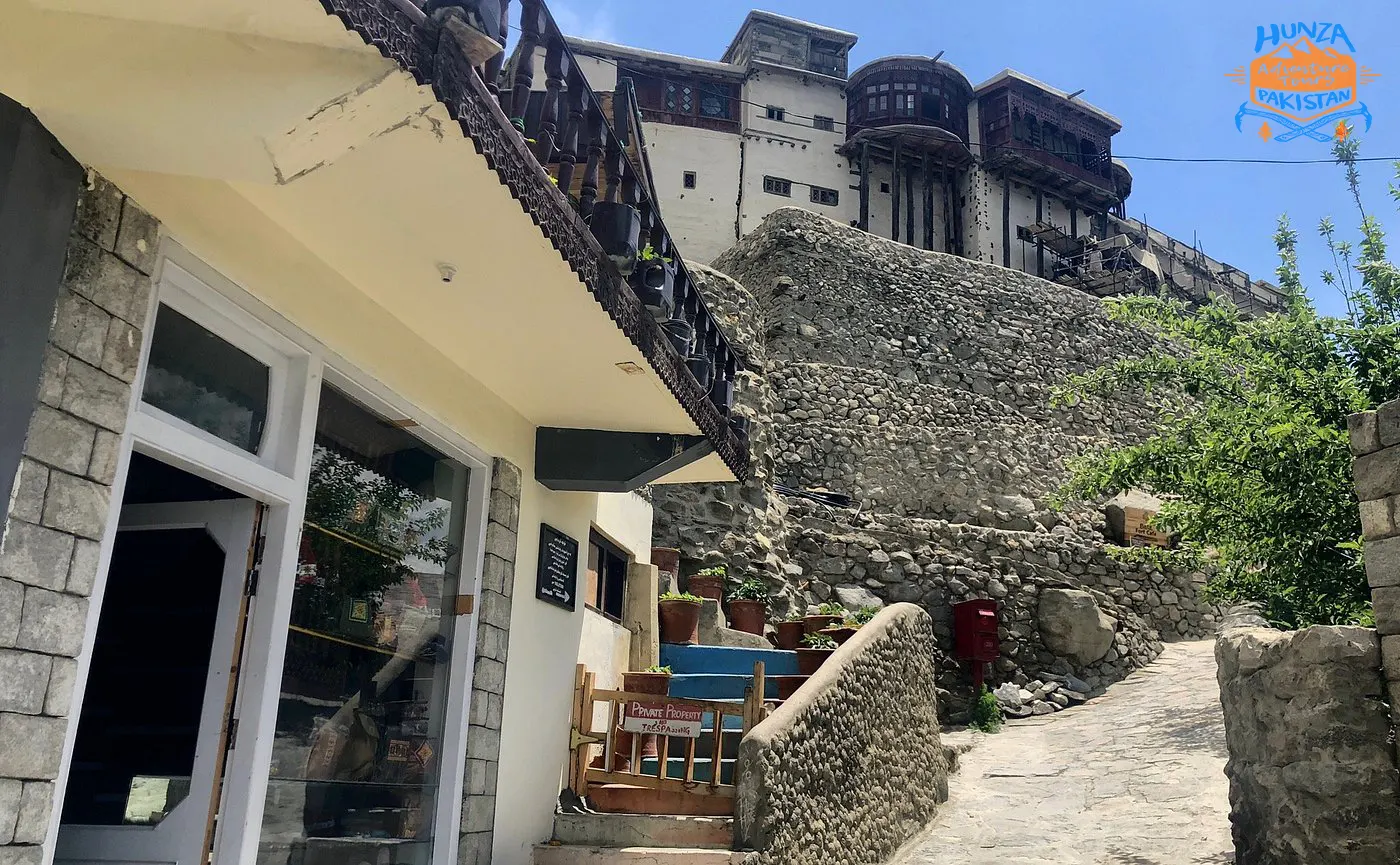
From the 2,000-year-old rock petroglyphs along the ancient Silk Road to 700-year-old wooden mosques in Baltistan (Amburiq, Chaqchan), the ancient Baltit and Altit Forts in Hunza, and the unique sacred traditions of the animist Kalash people:
Our guides ensure guests seek verbal consent prior to photographing individuals or religious ceremonies, particularly inside traditional Kalash villages and rural mosques.
We enforce strict "look but do not touch" protocols at rock art sites (Chilas, Shatial, Sacred Rock of Hunza) and historic forts (Baltit Fort, Altit Fort), preventing vandalism and graffiti.
The Responsible Traveler's Code for Pakistan
Simple, powerful steps every traveler can take to ensure a positive footprint across our mountains.
Refill from our camp filtration stations instead of purchasing disposable bottles.
Choose phosphate-free soaps and shampoos to avoid contaminating glacial streams.
Never bury wet wipes, batteries, or plastics — carry them back to base camp waste bags.
Wear modest clothing covering shoulders and knees when strolling through mountain villages.
Support our transparent collective tip pools at the end of each trek to reward our hardworking crew.
Purchase handmade gems, dried apricots, and handloom rugs from valley women cooperatives.
Caring for Our Mountain Heritage
Visual glimpses of our mountain crew, glacial clean-up efforts, indigenous farming, and pristine wilderness trails.