

Things to Do in Gulmit Village, Upper Hunza, Pakistan
Nestled among the magnificent Karakoram Mountains in Gilgit-Baltistan, Gulmit Village is one of the most charming destinations in Upper Hunza, Pakistan. Known for its spectacular mountain scenery, traditional Wakhi culture, historic landmarks, and peaceful village atmosphere, Gulmit offers travelers an unforgettable experience away from the busiest tourist spots.
Whether you are planning a road trip along the Karakoram Highway, exploring the beautiful landscapes of Hunza Valley, or looking for an authentic cultural experience, Gulmit deserves a place on your travel itinerary.
From hiking to the historic Ondra Fort and exploring traditional Wakhi houses to visiting turquoise lakes, discovering nearby glaciers, and tasting delicious local food, there are plenty of things to do in Gulmit Village.
In this travel guide, we will explore the best attractions, outdoor activities, cultural experiences, and nearby places to visit to help you plan your trip to Gulmit, Upper Hunza.
Why Visit Gulmit Village?
Gulmit is located in the Gojal region of Upper Hunza, along the famous Karakoram Highway. Surrounded by towering mountains, green fields, fruit orchards, and beautiful valleys, the village is an excellent destination for travelers who appreciate nature and cultural heritage.
Unlike some of Hunza's busier tourist centers, Gulmit offers opportunities to experience everyday village life at a slower pace. The local Wakhi community has preserved many of its cultural traditions, including its language, food, handicrafts, and distinctive architecture.
Gulmit is also a convenient base for exploring nearby attractions such as Attabad Lake, Borith Lake, Passu Cones, and the surrounding glaciers.
If you want to experience the natural beauty and cultural richness of Upper Hunza, Gulmit is well worth exploring.
1. Hike to Ondra Fort via Ondra Poygah
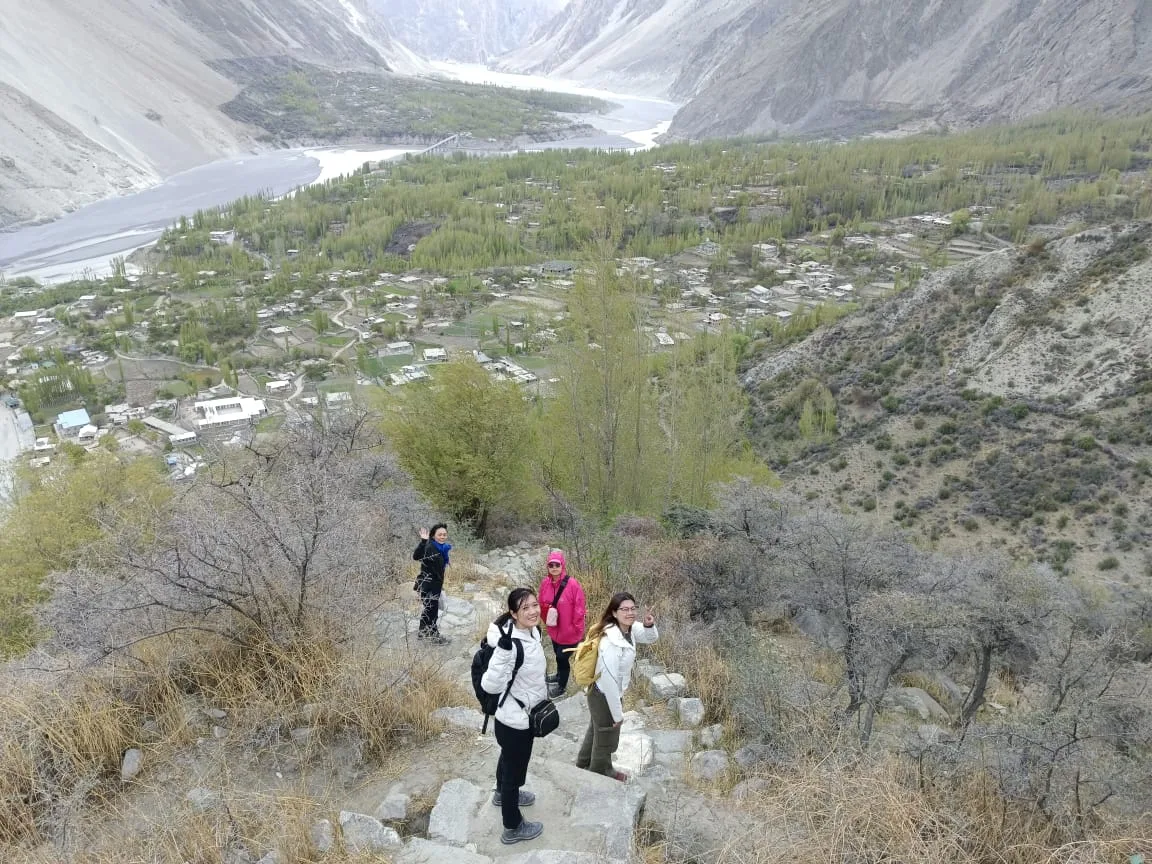
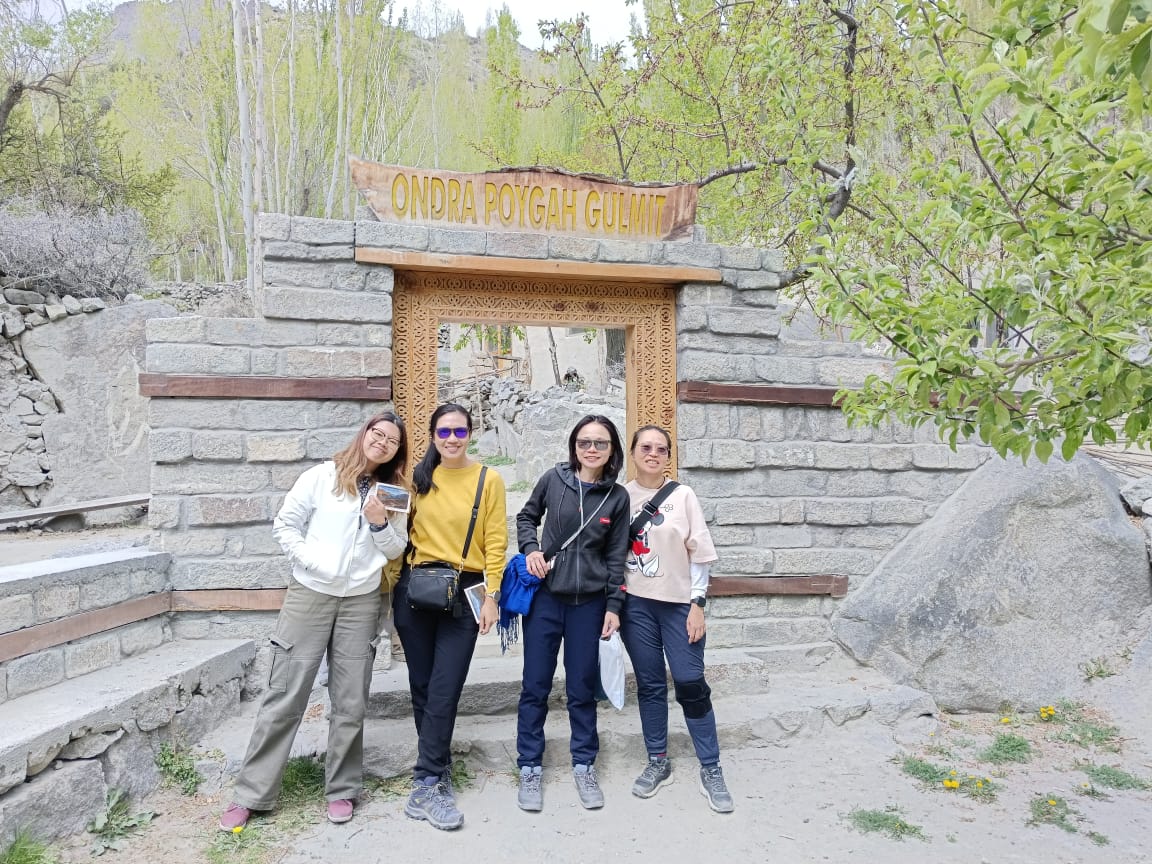
One of the best things to do in Gulmit Village is hiking to Ondra Fort via the famous Ondra Poygah staircase.
Located on a hill overlooking Gulmit, Ondra Fort is a historic site that rewards visitors with spectacular panoramic views of the surrounding landscape. The climb takes you above the village, offering beautiful views of the Hunza River, nearby settlements, and the dramatic peaks of the Karakoram Range.
The Ondra Poygah route is known for its approximately 1,655 steps and is a popular choice for visitors who enjoy hiking and outdoor adventures.
The ascent can be physically demanding, especially for travelers who are not accustomed to walking uphill. Take your time, carry drinking water, and wear comfortable shoes.
Once you reach the top, the sweeping views make the effort worthwhile. Early morning and late afternoon can offer beautiful light for photography.
2. Explore Gulmit Old Town
Take a walk through Gulmit's old settlement to discover the village's traditional architecture and cultural heritage.
The narrow lanes, stone walls, wooden details, and traditional homes offer a glimpse into the history of the Wakhi community. Walking through the old town is also an excellent way to experience the peaceful rhythm of village life.
You may see residents working in their fields, maintaining their homes, or going about their daily routines.
Remember to respect local privacy when taking photographs, particularly near people's homes. A friendly greeting and a little conversation can make your visit more meaningful.
3. Visit the Historic Gulmit Old House
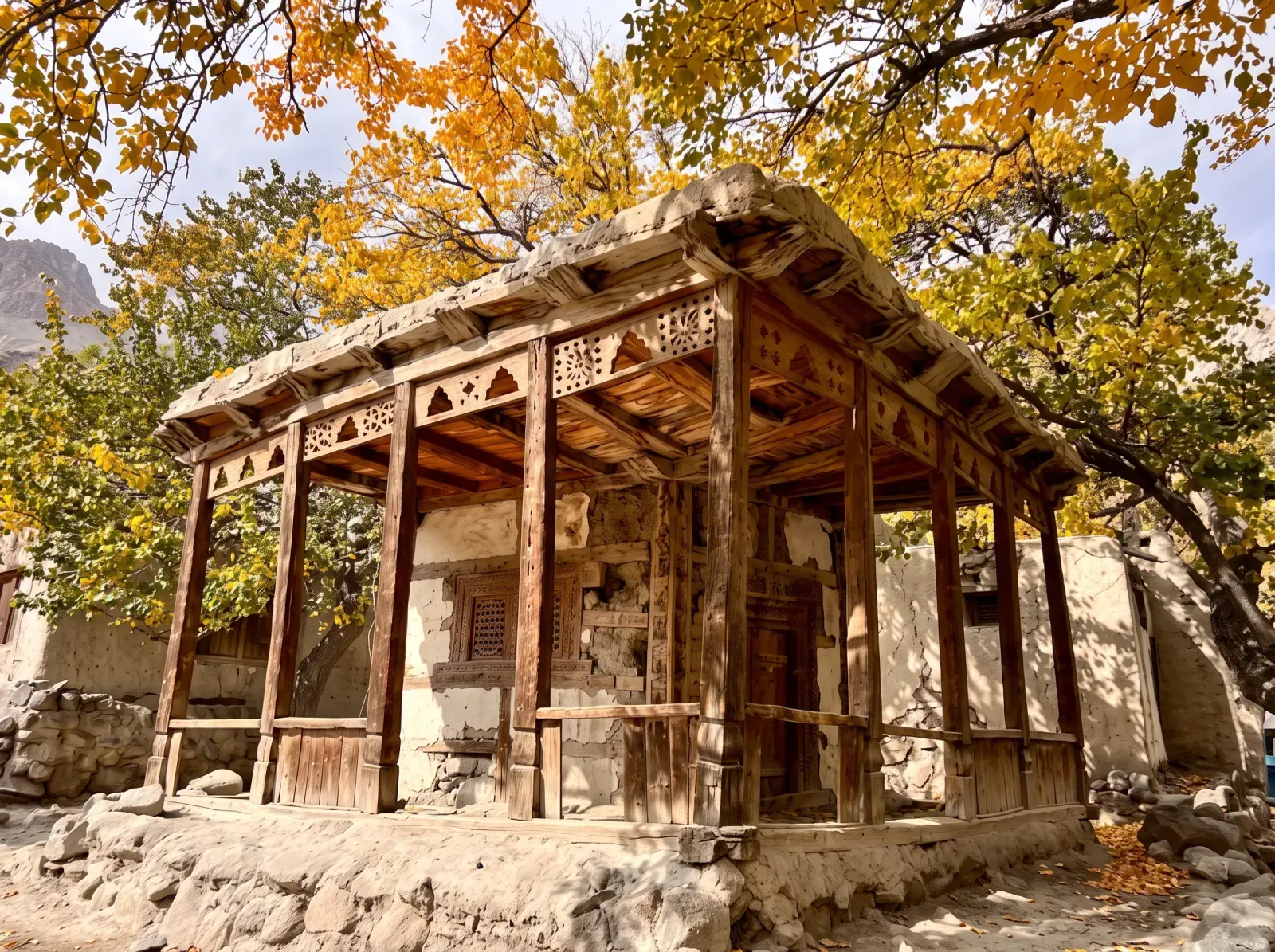
The Gulmit Old House is an important cultural attraction for visitors interested in traditional architecture and local history.
Traditional Wakhi houses were designed to suit the region's cold winters and mountain environment. Their interiors often feature wooden pillars, a central hearth, and raised platforms used for sitting and sleeping.
Visiting a historic house can help you understand how families lived in Upper Hunza before modern construction and contemporary lifestyles became widespread.
If the house is open to visitors, take the opportunity to learn about its architectural features, household objects, and the traditions associated with the building.
4. Discover the Hunza Cultural Museum
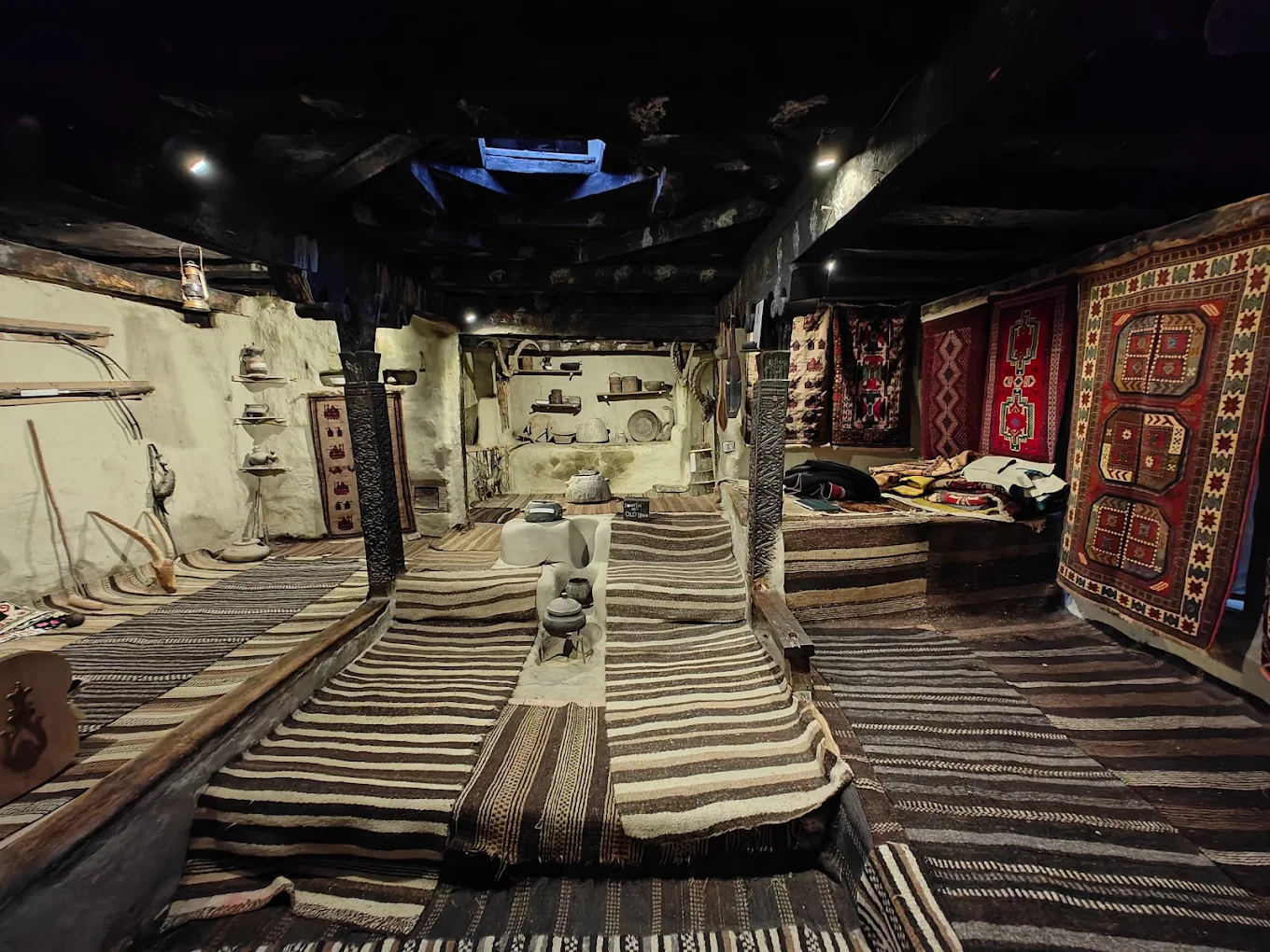
For travelers interested in the history of Upper Hunza, the Hunza Cultural Museum is another worthwhile stop.
The museum provides an opportunity to learn about the region's cultural heritage through traditional objects, clothing, household utensils, and historical artifacts.
A visit can add context to your journey through Gulmit, helping you appreciate the traditions and skills that have shaped life in the Gojal Valley.
Check locally for opening hours and visitor arrangements before planning your visit.
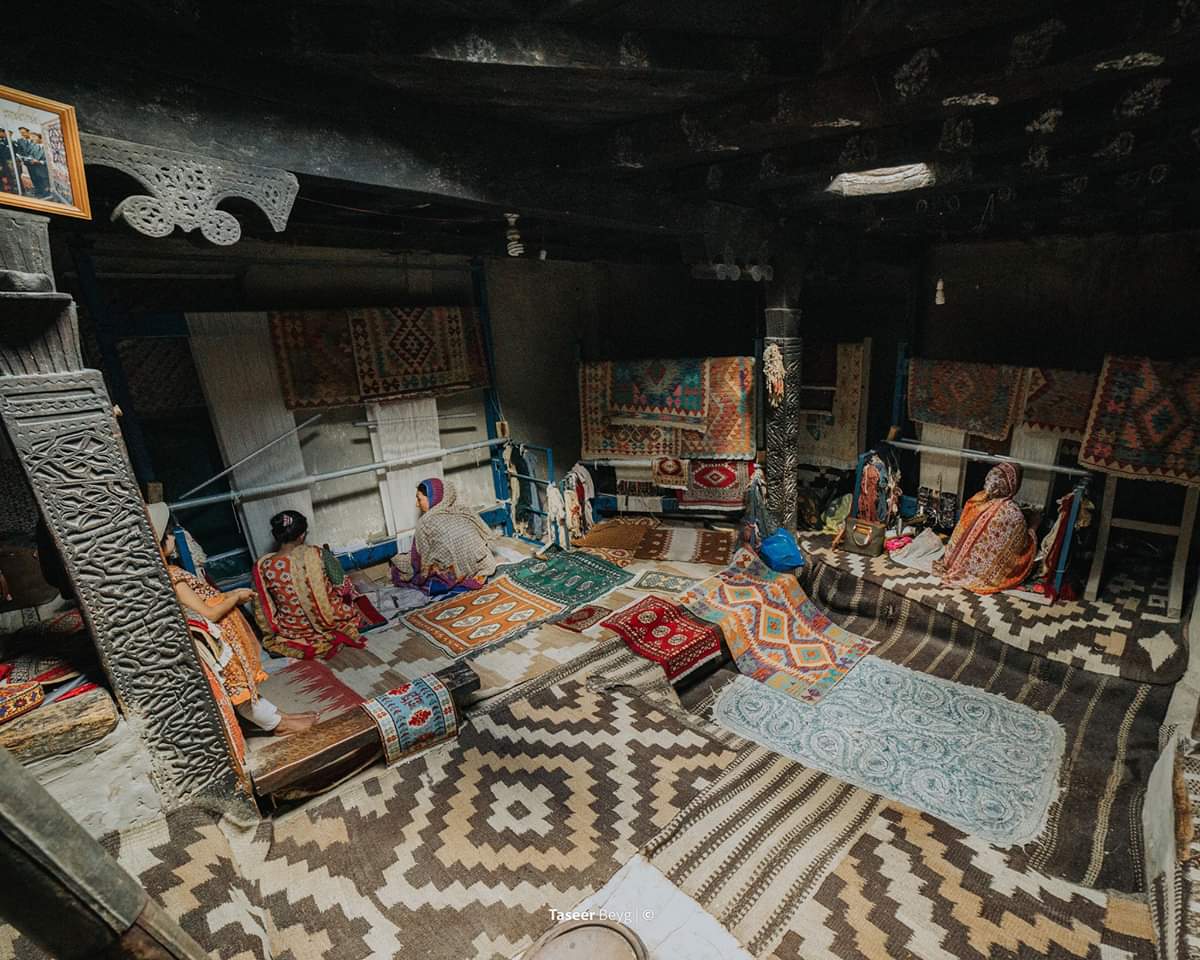
5. Visit the Gulmit Carpet Weaving Centre
The Gulmit Carpet Weaving Centre offers a chance to appreciate traditional craftsmanship and learn about local weaving techniques.
Carpet weaving has long been an important handicraft in the region. Local artisans create decorative pieces using traditional patterns and materials, preserving skills passed down through generations.
Visiting the centre allows you to see the work involved in producing these handmade items and, where available, purchase a locally made souvenir.
Buying directly from local artisans can also help support community livelihoods.
6. Walk Through Gulmit's Fields and Fruit Orchards
One of the simplest yet most rewarding activities in Gulmit is taking a leisurely walk through its agricultural landscape.
The village is surrounded by cultivated fields, irrigation channels, and fruit orchards that change with the seasons. Depending on when you visit, you may see spring blossoms, green summer fields, or autumn fruit harvests.
Apricots, apples, and other fruits are important parts of the local agricultural tradition.
These walks provide excellent opportunities for photography and a closer look at rural life in Upper Hunza. Stay on public paths, avoid damaging crops, and ask permission before entering private land.
7. Taste Traditional Wakhi and Hunza Food
No visit to Gulmit is complete without trying some of the region's traditional dishes.
The local cuisine reflects the mountain environment and the culinary traditions of the Wakhi community. Meals often feature bread, dairy products, grains, herbs, dried fruits, and locally available ingredients.
Here are a few specialties worth looking for:
-
Chapshuro: A savory pastry filled with seasoned minced meat.
-
Gyaling: A traditional pancake or flatbread often served with local accompaniments.
-
Ghilmindi: A traditional preparation featuring flatbread with a filling of cheese, yogurt, and herbs.
-
Shir Chai: A traditional salted tea prepared with milk and, in some versions, butter.
-
Local apricot products: Depending on the season, try fresh or dried apricots, apricot juice, jam, or apricot oil.
If you want to discover more regional specialties, ingredients, and authentic local dishes, read our complete guide to traditional Wakhi and Hunza food.
8. Enjoy the Views of Attabad Lake
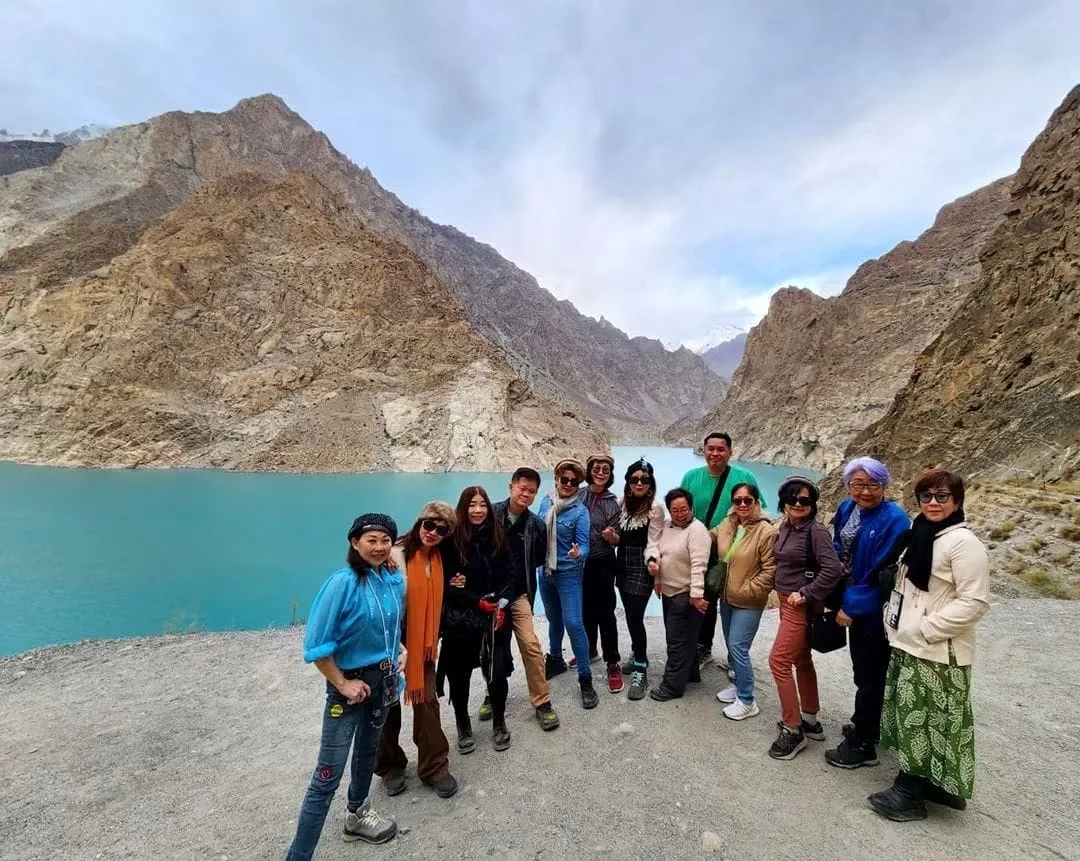
Attabad Lake is one of the most famous natural attractions in the Hunza region and an excellent excursion from Gulmit.
Its striking turquoise-blue water contrasts beautifully with the surrounding rocky mountains, creating one of the most recognizable landscapes in northern Pakistan.
The lake was formed after a devastating landslide in January 2010 blocked the Hunza River and flooded nearby settlements. Today, it is a popular destination for sightseeing and recreational activities.
Visitors can enjoy lakeside views, photography, and, when available and conditions permit, boating and other water activities.
The lake looks beautiful in different weather conditions, but clear skies often reveal the most vivid colors. Follow local safety guidance when participating in activities on the water.
9. Admire the Famous Passu Cones
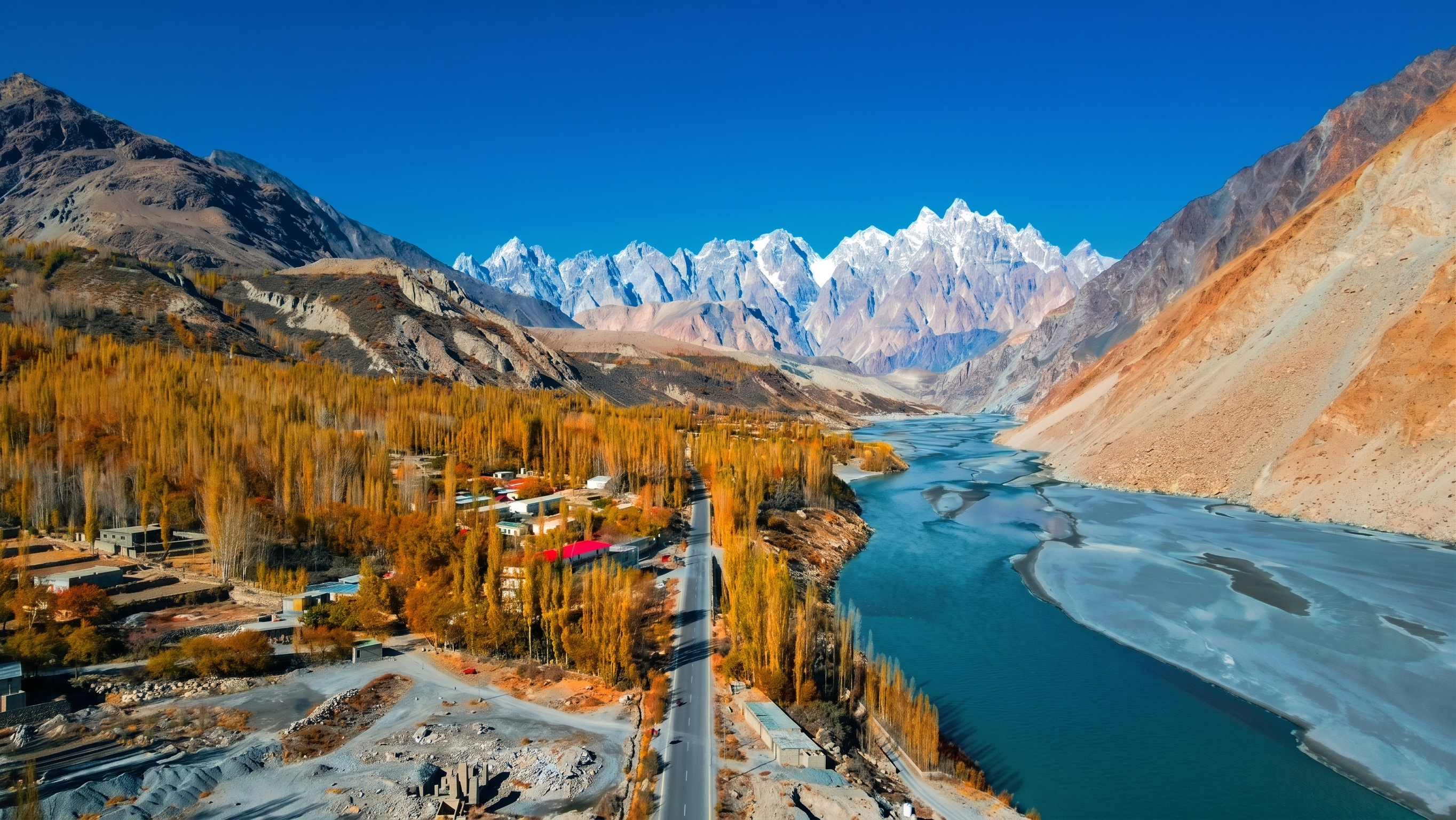
The spectacular Passu Cones are among the most photographed mountain formations in Upper Hunza.
Their sharply pointed peaks rise dramatically above the surrounding valley, creating an extraordinary backdrop for photography and sightseeing.
Passu is a short excursion north of Gulmit, making it easy to include the cones in a day of exploring Upper Hunza.
You do not need to undertake a difficult mountain climb to appreciate their beauty. Many visitors enjoy the views from the roadside and nearby accessible viewpoints.
For photographers, early morning and late afternoon can provide particularly beautiful light on the mountains.
10. Visit Borith Lake
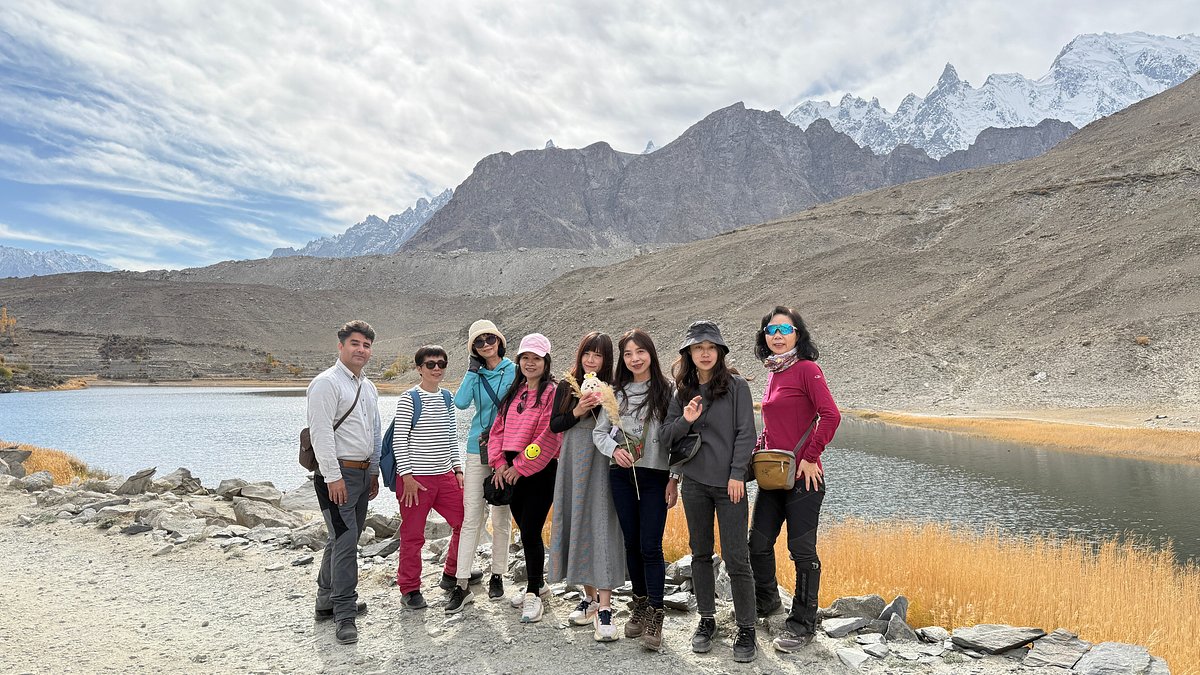
Borith Lake is a peaceful destination near Gulmit that appeals to nature lovers, photographers, and birdwatchers.
Surrounded by rugged mountains, the lake offers a quieter atmosphere than some of the region's more popular sightseeing locations.
Depending on the season, visitors may have opportunities to observe migratory birds and enjoy the natural scenery.
Borith Lake can also form part of a longer walking or trekking itinerary toward nearby glaciers. Ask local guides about trail conditions before setting out, particularly if you plan to explore beyond the lake.
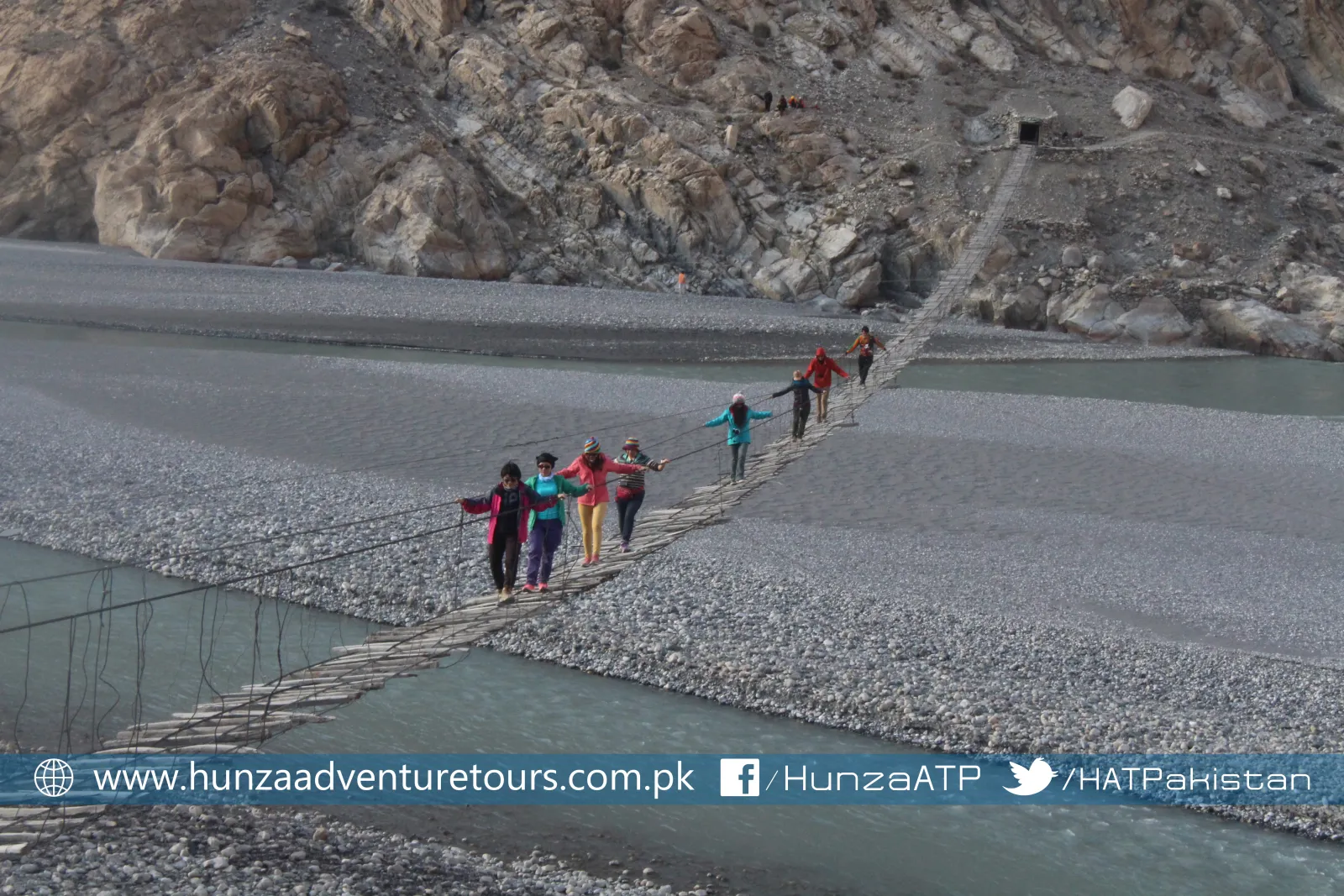
11. Experience the Hussaini Suspension Bridge
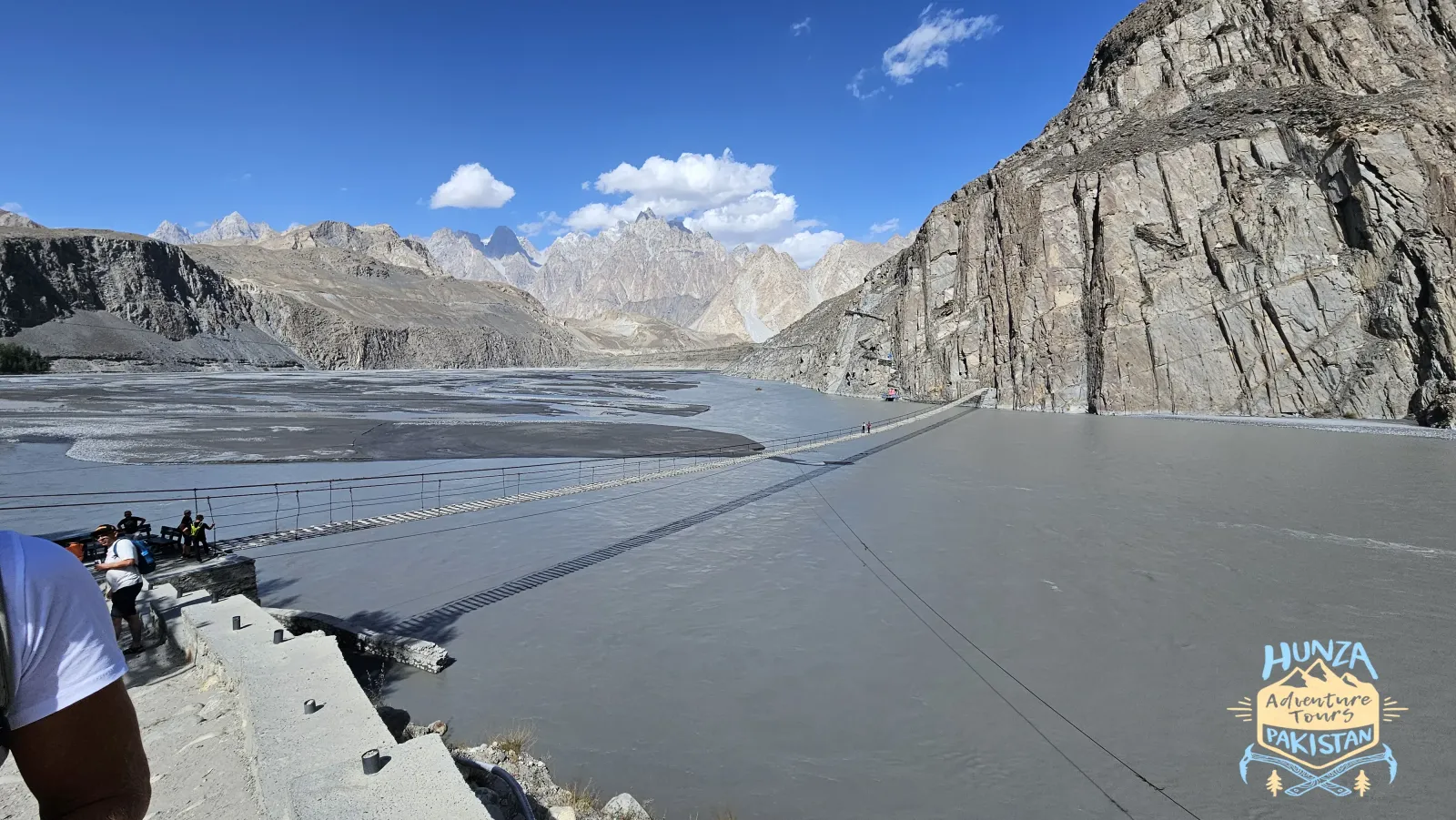
For travelers who enjoy adventure, the Hussaini Suspension Bridge is a well-known attraction in the Upper Hunza region.
The bridge crosses the Hunza River near Hussaini Village and is famous for its dramatic setting, mountain views, and suspended walkway.
Even if you prefer not to cross it, the surrounding scenery offers excellent photography opportunities.
If you decide to cross, check current local safety advice and follow any restrictions or instructions from bridge operators. Conditions can change, and the bridge should not be treated as a risk-free activity.
12. Explore the Nearby Glaciers
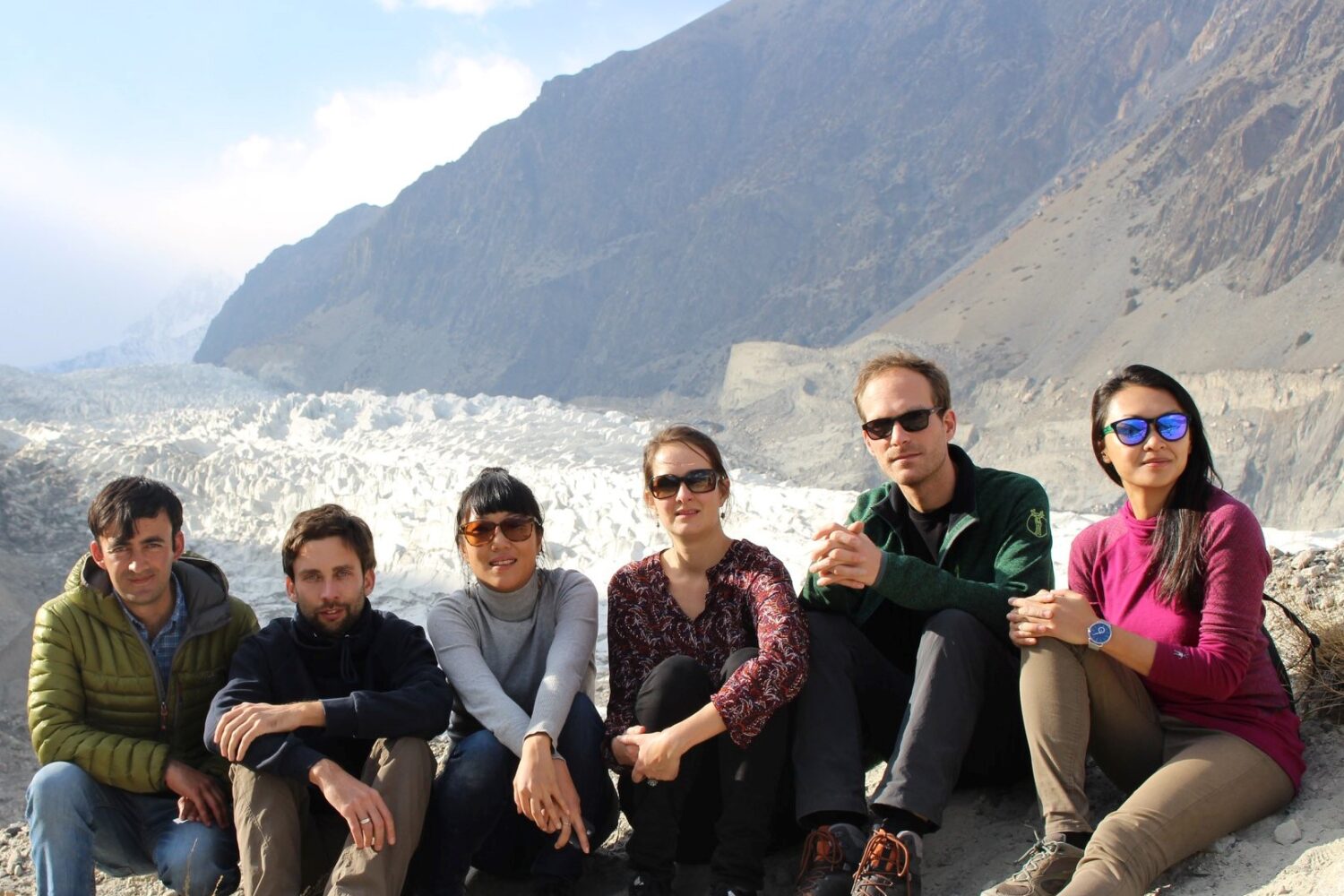
The mountainous landscape surrounding Gulmit offers access to several impressive glaciers, including the Passu and Ghulkin glacier areas.
These icy and rocky landscapes reveal the powerful natural processes that have shaped the Karakoram Mountains over thousands of years.
Some viewpoints and approaches are accessible from nearby villages, while other routes require longer walks and careful planning.
Glacier terrain can be hazardous because of unstable rocks, hidden crevasses, changing water flows, and loose moraine. For routes that approach or enter glacier terrain, use a qualified local guide and follow current conditions and safety recommendations.
Always avoid walking onto glacier ice without appropriate guidance and equipment.
13. Photograph the Karakoram Mountains
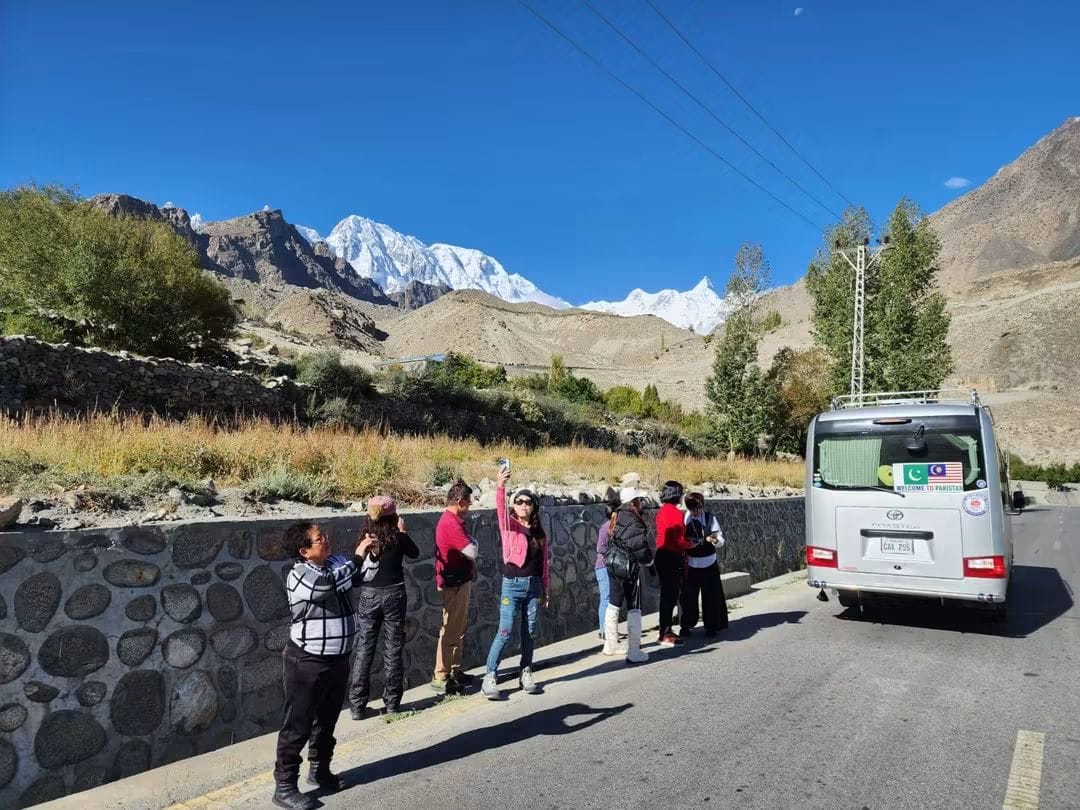
Gulmit is an excellent destination for photographers because dramatic mountain scenery surrounds the village in almost every direction.
The landscape combines snow-covered peaks, rocky slopes, agricultural fields, traditional homes, and the changing colors of the seasons.
Spring brings blossoms to fruit orchards, summer reveals green fields and clear mountain views, and autumn can transform the valley with golden and red foliage.
You can capture beautiful scenes from village paths, accessible viewpoints, and the Ondra Fort hiking route.
Photography enthusiasts should also consider spending a night in Gulmit. Staying overnight provides more opportunities to enjoy changing light without rushing between destinations.
14. Experience Wakhi Culture and Local Hospitality
One of Gulmit's greatest attractions is its living culture.
The local Wakhi community has a distinctive language, culinary heritage, traditional music, and handicraft skills. Travelers who spend time in the village can gain a deeper understanding of the customs and everyday experiences of Upper Hunza.
Consider staying at a locally owned guesthouse or arranging a cultural experience with a local host.
You may have opportunities to learn about traditional food, local farming, weaving, or seasonal celebrations, depending on availability.
Approach cultural visits respectfully, ask before photographing people, and remember that local communities are homes as well as tourist destinations.
15. Explore Nearby Villages and Scenic Viewpoints
Gulmit's location makes it a useful base for exploring other villages and landscapes in Upper Hunza.
Consider extending your trip to nearby settlements and viewpoints around Ghulkin, Hussaini, and Passu. Each offers different perspectives on mountain life, traditional settlements, river scenery, and the surrounding Karakoram landscape.
You can combine several stops in a single day, depending on your transport arrangements, walking plans, and the time available.
If you have more time, use Gulmit as a base for exploring the wider Gojal Valley rather than rushing through each destination.
Best Time to Visit Gulmit Village
The best time to visit Gulmit depends on the experiences you want to enjoy.
Spring (March to May): Spring is a lovely time to see fruit blossoms, fresh greenery, and the changing colors of the valley. Blossom dates vary with weather and elevation.
Summer (June to August): Summer is a popular season for sightseeing, village walks, photography, and mountain excursions. Conditions are generally more suitable for outdoor exploration, although mountain weather can change quickly.
Autumn (September to November): Autumn can bring beautiful golden foliage, crisp air, and striking mountain scenery. It is an excellent season for photography, but temperatures drop as winter approaches.
Winter (December to February): Winter offers a quieter atmosphere and snowy mountain scenery, but freezing temperatures, road disruptions, and seasonal closures can affect travel plans.
Before traveling, check the weather forecast, road conditions, and the availability of local accommodation and transport.
How to Reach Gulmit Village
Gulmit is situated along the Karakoram Highway in Upper Hunza, Gilgit-Baltistan, Pakistan.
By road: Travelers can reach Gulmit from Gilgit or Karimabad by road along the Karakoram Highway. Shared transport, private vehicles, and hired cars may be available depending on the season.
By air: Visitors can consider flying from Islamabad to Gilgit when flights are operating. Flights are weather-dependent, so allow flexibility for delays and cancellations. From Gilgit, continue by road toward Gulmit.
Travel times depend on road conditions, traffic, weather, and transport arrangements. Check current conditions before departure, especially during winter or periods of heavy rain.
Where to Stay in Gulmit
Staying overnight in Gulmit allows you to explore the village at a relaxed pace and enjoy early morning or evening mountain views.
Options may include locally owned guesthouses, homestays, and hotels. When choosing accommodation, consider your budget, transport arrangements, heating, meals, and access to nearby attractions.
A locally owned guesthouse can also provide useful advice about village walks, local food, transport, and guided excursions.
Book ahead during busy travel periods and confirm availability directly with your chosen accommodation.
Travel Tips for Visiting Gulmit Village
Keep these practical tips in mind when planning your trip:
-
Wear comfortable walking shoes for village paths and hiking trails.
-
Carry drinking water, sun protection, and layers of clothing.
-
Check weather forecasts and local road conditions before traveling.
-
Hire a knowledgeable local guide for unfamiliar mountain routes and glacier excursions.
-
Respect local customs, private property, and residents' privacy.
-
Support local businesses by buying authentic handicrafts and using locally owned accommodation.
-
Take your rubbish with you and avoid leaving plastic waste in natural areas.
-
Carry sufficient cash, as electronic payment options may be limited in some places.
-
Allow extra time for travel because mountain roads and weather can be unpredictable.

No Thoughts Shared Yet
Be the first to share your thoughts, memories, or questions about this story!