

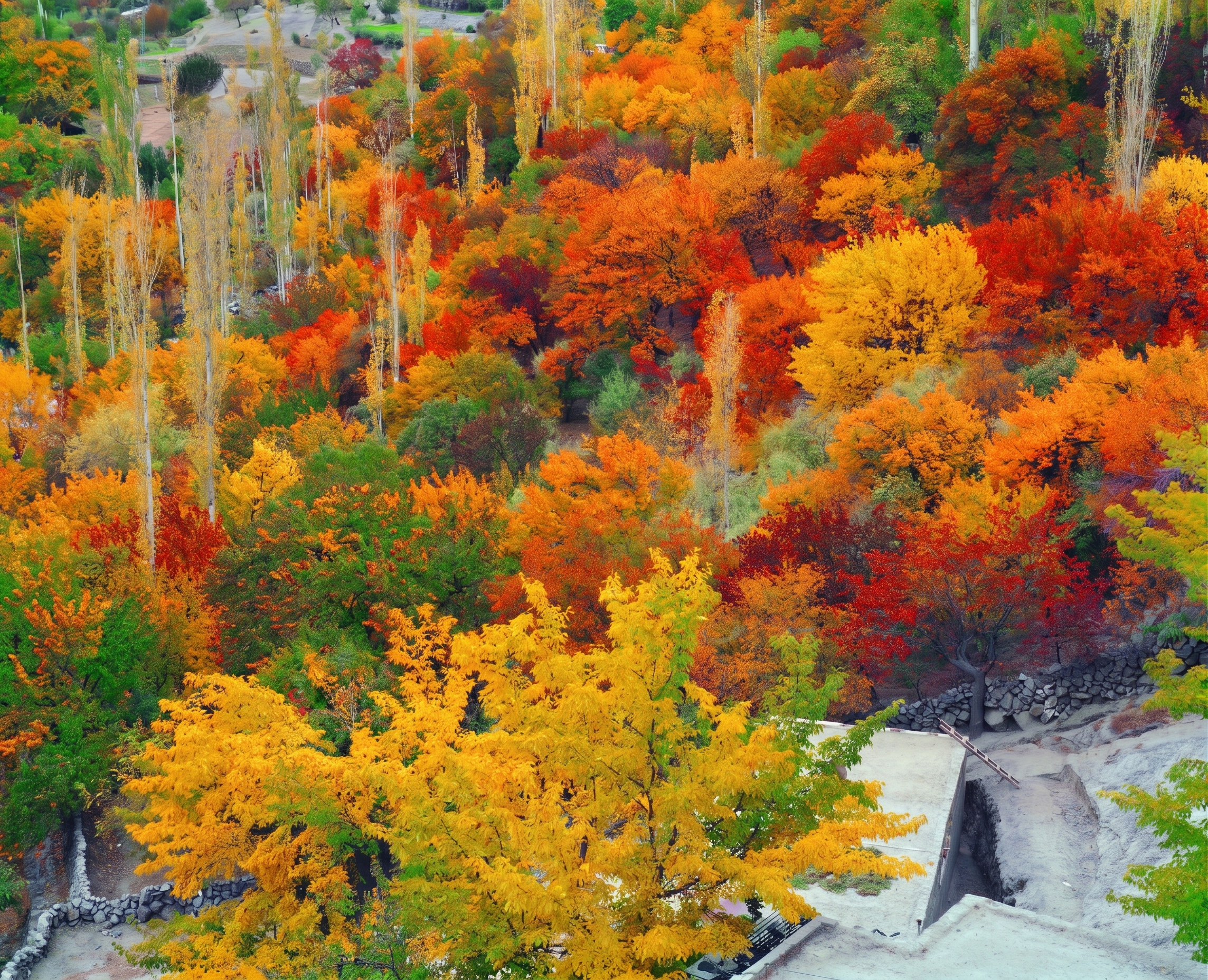
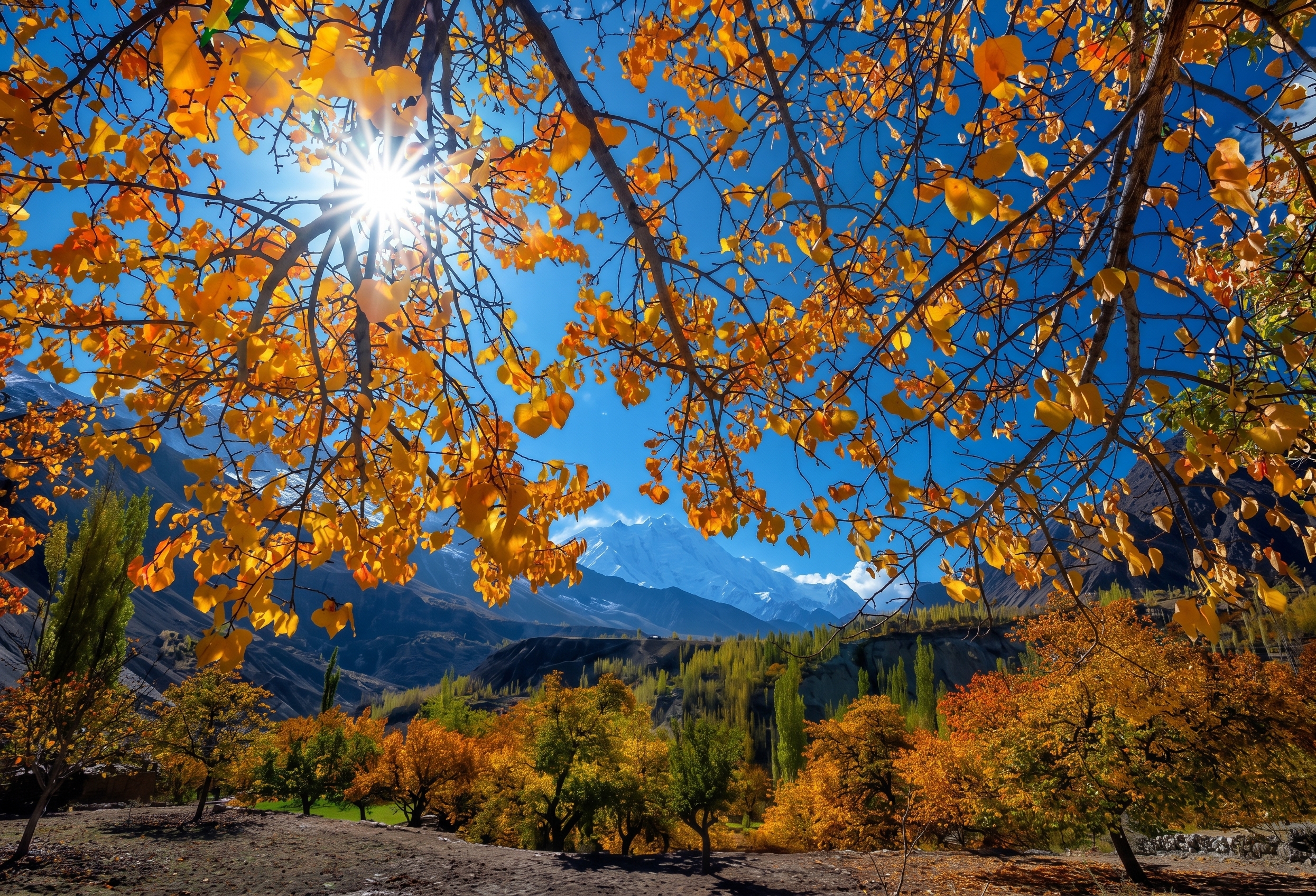
Every year between early October and mid-November, the terraced mountain villages of Hunza, Nagar, and Upper Gojal undergo a magical metamorphosis. The summer greens give way to blazing golds, fiery crimson apricots, amber willows, and deep yellow poplar groves — all set against snow-dusted 7,000-meter Karakoram peaks.
This is the season that transforms Hunza Valley into one of the most photogenic landscapes on Earth. The air is crisp, the skies are crystal clear, and the crowds of summer have thinned, leaving the valleys in peaceful serenity. For photographers, nature lovers, and travelers seeking an unforgettable experience, autumn in Hunza is nothing short of magical.
1. When is Peak Autumn Foliage in Hunza?
Autumn in northern Pakistan moves from higher elevations down to the lower valleys — a wave of color that sweeps across the landscape over six weeks. Understanding this progression is key to planning your trip.
Early October (Oct 1 – Oct 15): Upper Hunza Peaks First
The highest villages in Gojal, Passu, Gulmit, and Shimshal are the first to turn. Their elevation (2,500m–3,100m) means colder nights arrive sooner, triggering early color changes. This is the time to visit Passu Cones, Borith Lake, and the Hussaini Suspension Bridge when the birch and willow groves are at their golden best.
Mid to Late October (Oct 15 – Nov 5): Central Hunza & Nagar at Their Most Vibrant
The heart of Hunza Valley — Karimabad, Altit, and Ganish — reaches its peak during this window. The apricot, apple, and cherry orchards that surround these villages erupt in fiery crimson and deep orange. Across the river, Nagar Valley offers equally stunning views, with the added drama of Rakaposhi (7,788m) dominating the skyline.
This is also the time when Duikar (Eagle's Nest) offers its most spectacular sunrises and sunsets, with golden orchards sweeping across the valley floor below.
Early November (Nov 1 – Nov 15): Lower Hunza, Gilgit & Skardu's Late Golden Tones
As the season progresses, the color wave descends to Lower Hunza, Gilgit, and Skardu. The poplar groves along the Karakoram Highway turn a rich amber, and the apricot orchards of Baltistan display their final golden hues. This is a quieter time to visit, with fewer tourists and a more intimate experience of the season.
2. Top Photography & Viewpoint Locations
Duikar, Karimabad
The ultimate sunrise and sunset viewpoint in Hunza. From this 2,800-meter perch, you can see the entire valley floor blanketed in golden orchards, with Rakaposhi (7,788m) , Ultar Sar (7,388m) , and Golden Peak (7,027m) rising in the background. Arrive before dawn to secure the best spot — the light at sunrise is nothing short of transcendent.
Attabad Lake
The turquoise glacial water of Attabad Lake reflects the golden poplar trees along its shoreline, creating a mirror-like effect that photographers dream of. The contrast between the vivid blue water and the warm autumn hues is simply breathtaking. Boat rides on the lake offer a unique perspective.

Passu Cones & Borith Lake
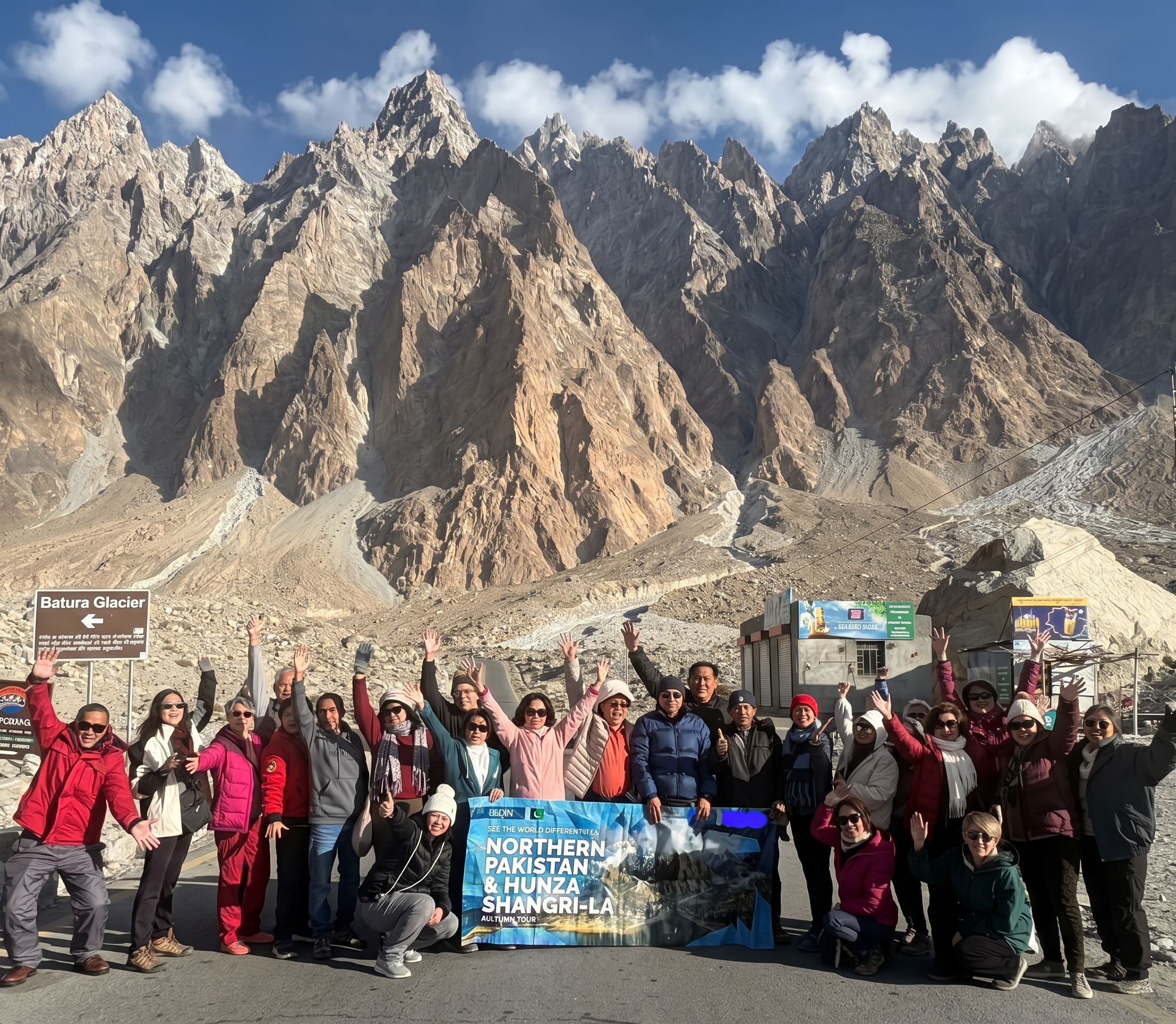
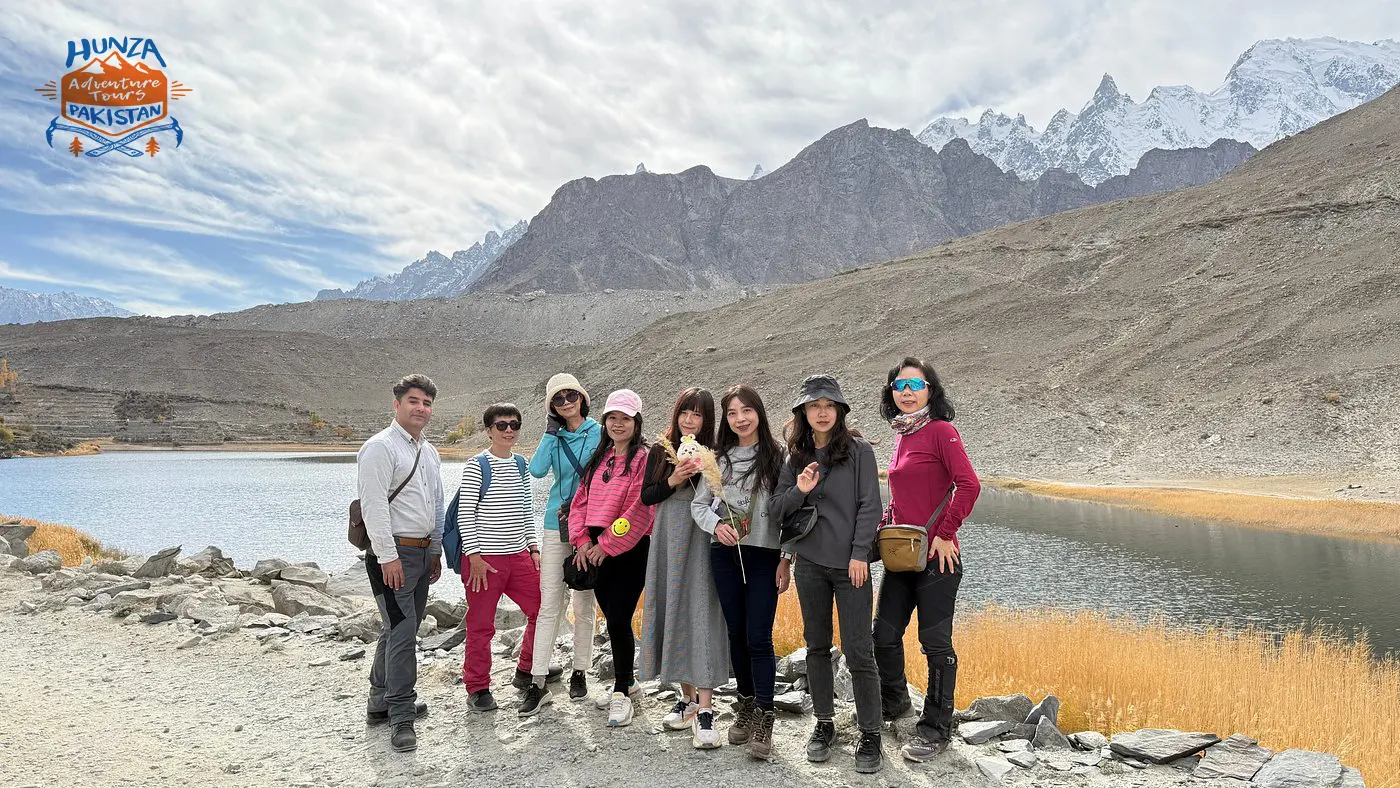
The dramatic serrated rock spires of Passu Cones (Tupopdan) are framed by yellow birch groves, creating one of the most iconic images of Upper Hunza. Nearby Borith Lake offers a serene setting for birdwatching and photography, with migratory birds stopping on their journey south.
Ganish Ancient Village
The oldest settlement in Hunza (1,000+ years) is filled with traditional carved wooden mosques and drying apricot harvests on rooftops — a scene that captures the essence of rural mountain life. The narrow alleys and ancient watchtowers provide endless opportunities for cultural photography.
Altit & Baltit Forts
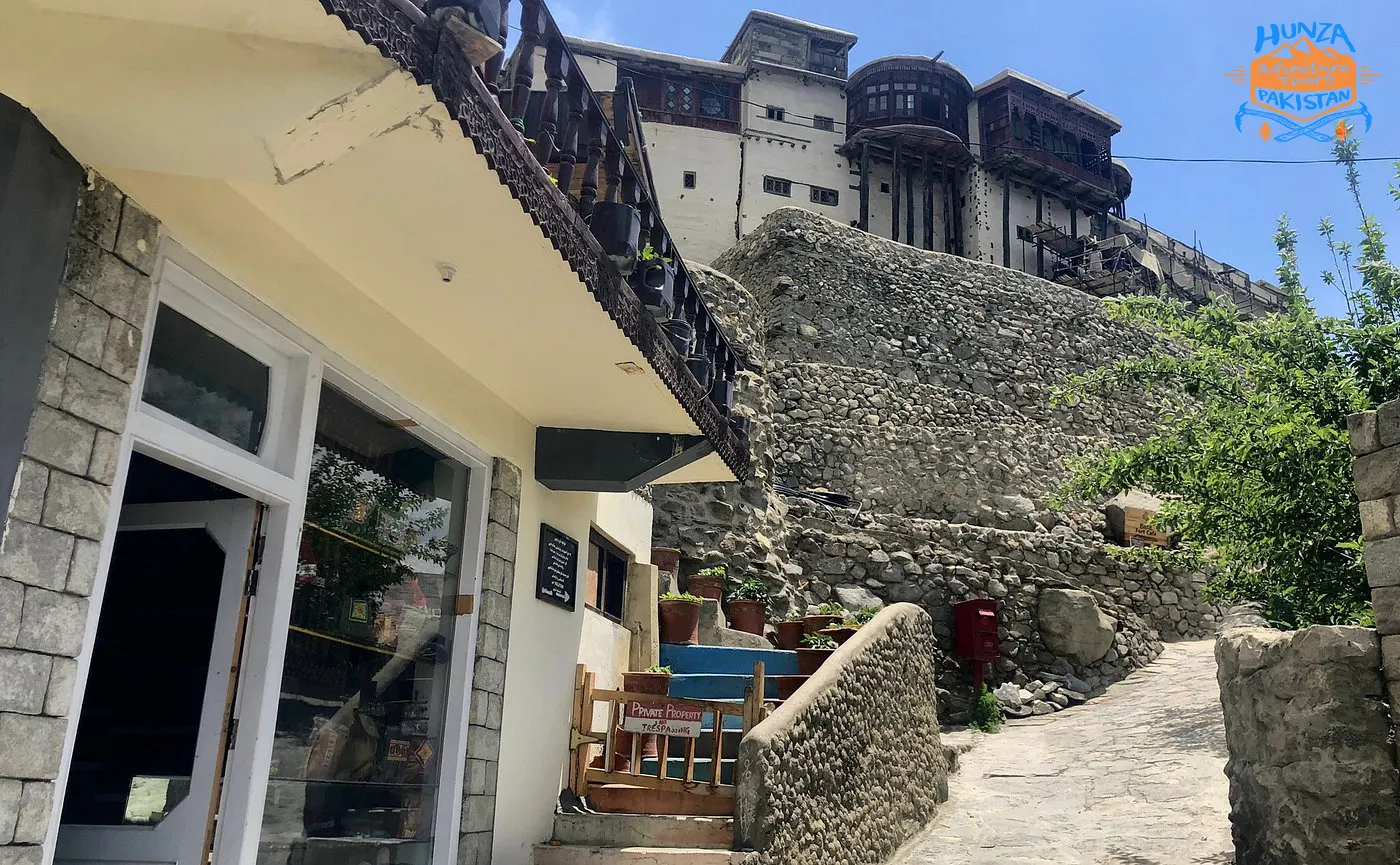
The historic forts of Hunza offer panoramic views of the autumn landscape below. The contrast between the ancient stone walls and the vibrant foliage is a photographer's delight.
Hopper Valley
A short drive from Karimabad, Hopper Valley offers a quieter alternative with stunning views of Hopper Glacier and the surrounding peaks. The valley's orchards and terraced fields turn brilliant shades of gold and red.
3. Autumn Weather & Packing Tips
Weather Conditions
Autumn days are crisp, clear, and sunny with daytime temperatures around 16°C to 20°C. Evenings and nights become chilly, dropping to 3°C to 8°C. By November, nighttime temperatures can approach freezing, especially at higher elevations.
The weather is generally stable, with low rainfall and excellent visibility. This is one of the best times of year for photography, with crystal-clear alpine skies and minimal haze.
Packing Essentials
-
Warm fleece or light down jacket for evenings and early mornings
-
Comfortable walking shoes or hiking boots
-
Layered clothing (base layer, mid-layer, outer shell)
-
Polarizing camera filters to capture the crystal alpine sky
-
Sunscreen and sunglasses (UV radiation is strong at altitude)
-
Hat and gloves for cold mornings at Duikar
-
Power bank for charging camera batteries
-
Reusable water bottle
4. Why Visit Hunza in Autumn?
The Colors
There is simply nowhere else on Earth quite like Hunza in autumn. The combination of golden poplars, crimson apricots, and amber willows against snow-dusted 7,000-meter peaks creates a visual feast that no photograph can fully capture.
The Light
The autumn sun sits lower in the sky, casting warm, golden light across the landscape. Photographers call this the "golden hour," and in Hunza, it lasts all day.
The Culture
Autumn is also harvest season in Hunza. Villagers can be seen gathering apricots, walnuts, and apples, and the rooftops are lined with drying fruit. It is a time of celebration and gratitude — a perfect opportunity to experience the warmth and hospitality of the Hunzakuts.
The Peace
With the summer crowds gone, autumn offers a quieter, more intimate experience of Hunza. Hotels are easier to book, trails are less crowded, and the valleys feel like your own private paradise.
5. Plan Your Autumn Photography Journey
Book your autumn photography journey with our 10-Day Hunza Autumn Colors Tour!
Our expertly designed itinerary takes you to all the best viewpoints at the perfect time, with local guides who know exactly where and when the colors will peak. From Duikar's sunrise panorama to the golden shores of Attabad Lake and the ancient alleys of Ganish, this is the ultimate autumn adventure.
Contact us today to reserve your spot — autumn in Hunza is a season you will never forget.


No Thoughts Shared Yet
Be the first to share your thoughts, memories, or questions about this story!