
About Punjab & The Cradle of Imperial Dynasties
Punjab, meaning "Land of Five Rivers," is the cultural and agricultural heartland of Pakistan. Home to the mighty Indus tributaries — the Jhelum, Chenab, Ravi, Beas, and Sutlej — this fertile province has been the cradle of civilizations for thousands of years. From the ancient ruins of Harappa to the majestic Mughal monuments of Lahore, Punjab offers travelers a rich blend of history, culture, cuisine, and warm hospitality.
A Land of Ancient Civilizations
Punjab is home to some of the most significant archaeological sites in South Asia. The Indus Valley Civilization, one of the world's oldest urban cultures, flourished here nearly 5,000 years ago. The ruins of Harappa in Sahiwal District offer a glimpse into this advanced society, with its planned streets, drainage systems, and granaries that predate many modern innovations.
The Taxila archaeological site, a UNESCO World Heritage Site, was a great center of learning and culture during the Gandhara period. It attracted students and scholars from across Asia and was visited by Alexander the Great in 326 BC. Today, visitors can explore the ruins of Sirkap, Sirsukh, and the Dharmarajika Stupa, along with the excellent Taxila Museum.
Lahore: The Cultural Capital
Lahore, the provincial capital, is often called the "Heart of Pakistan." This vibrant city has been a center of art, culture, and learning for centuries. Its Walled City is a treasure trove of Mughal architecture, including:
-
Badshahi Mosque – One of the largest mosques in the world, built by Emperor Aurangzeb in 1673
-
Lahore Fort (Shahi Qila) – A UNESCO World Heritage Site with the famous Sheesh Mahal (Palace of Mirrors)
-
Shalimar Gardens – A Mughal garden complex built by Emperor Shah Jahan
-
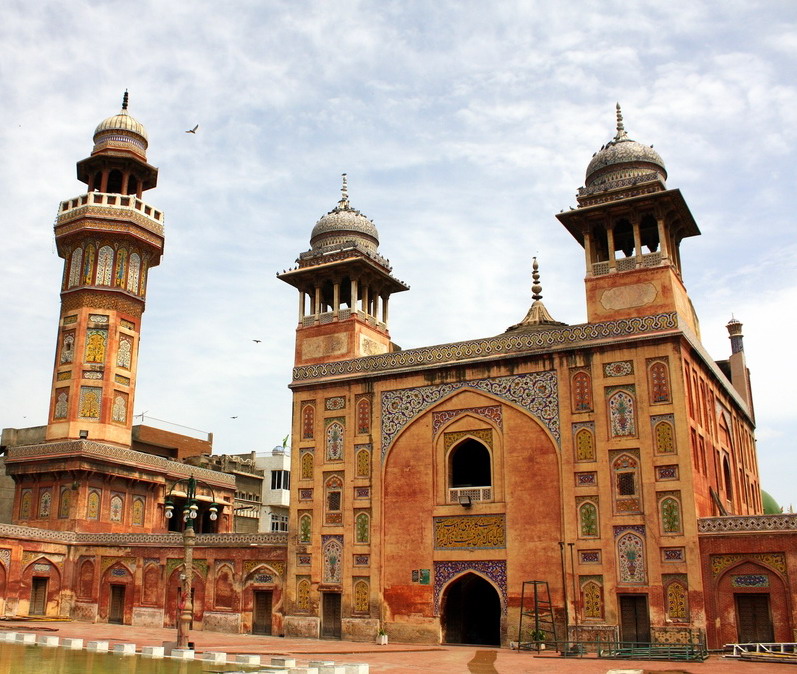
Wazir Khan Mosque – Famous for its intricate tile work and frescoes
The Lahore Museum houses the famous "Fasting Buddha" — the zenith of Gandhara art. The city's bazaars, including Anarkali and Liberty Market, offer everything from traditional handicrafts to modern fashion.
Architectural Marvels
Punjab is dotted with architectural wonders that span centuries:
-
Rohtas Fort – A UNESCO World Heritage Site built by Sher Shah Suri in the 16th century, known for its massive walls and strategic design
-
Derawar Fort – A majestic 8th-century fortress rising from the Cholistan Desert, with 40 circular bastions
-
Hiran Minar – A unique Mughal monument near Sheikhupura, built by Emperor Jahangir
-
Noor Mahal – A stunning Italian-inspired palace in Bahawalpur
-
Uch Sharif – Home to the UNESCO-listed Sufi shrines of the 13th-14th centuries
The Cholistan Desert
The Cholistan Desert, also known as Rohi, stretches along the border with India. This mysterious desert holds a treasure of archaeological and historical sites, including the majestic Derawar Fort. The desert is inhabited by nomadic tribes who breed camels and cattle, moving from well to well as the seasons change. Camel safaris offer a unique way to experience this arid landscape, with its rolling sand dunes and star-filled night skies.
Cities of Heritage
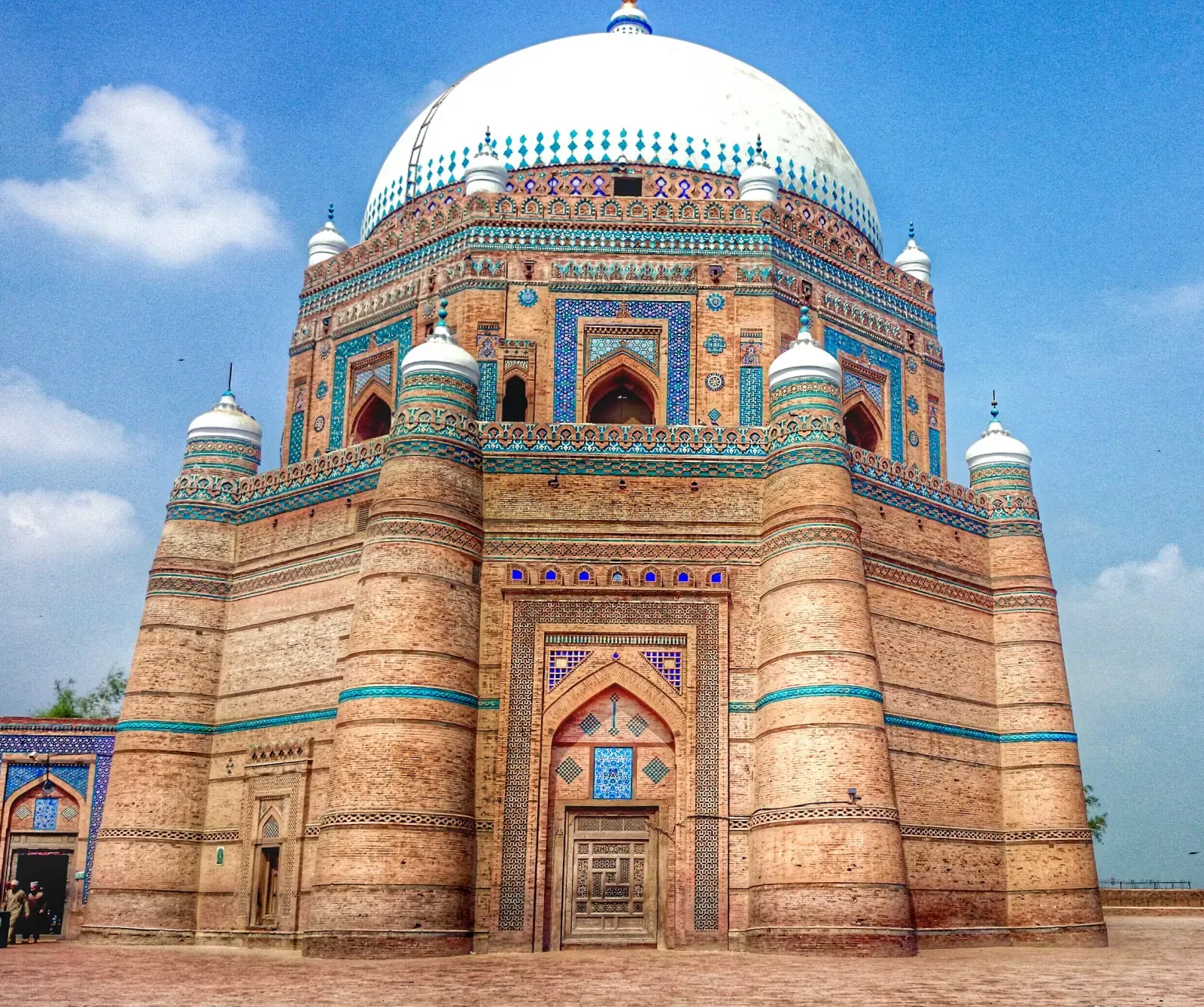
Multan, known as the "City of Saints," is one of the oldest cities in Pakistan. Its skyline is dominated by the shrines of Sufi saints, including the Shah Rukn-e-Alam and Baha-ud-din Zakariya tombs. The city is also famous for its blue pottery, camel-skin lamps, and delicious mangoes.
Bahawalpur, the former princely state, is home to the stunning Noor Mahal and the Bahawalpur Museum. Nearby, the Cholistan Desert and Derawar Fort offer unforgettable adventures.
Rawalpindi, the twin city of Islamabad, offers a fascinating contrast to the modern capital. Its bustling Raja Bazaar and Murree Road are perfect for experiencing local life.
Natural Beauty and Hill Stations
Punjab's northern region is home to beautiful hill stations:
-
Murree – The "Queen of Hills," a popular summer retreat with colonial charm
-
Patriata (New Murree) – A scenic hilltop with chairlift rides and panoramic views
-
Bhurban – A serene hill station surrounded by pine forests
-
Kallar Kahar – A saltwater lake surrounded by hills and ancient temples
Cuisine: A Culinary Journey
Punjabi cuisine is famous worldwide for its rich flavors and hearty dishes. From the sizzling Lahore-style grilled meats to the creamy Butter Chicken and Dal Makhani, every meal is a celebration. Don't miss:
-
Nihari – A slow-cooked beef stew, a Lahore specialty
-
Paye – Trotter soup, a breakfast favorite
-
Sarson da Saag and Makki di Roti – Mustard greens with cornbread
-
Lassi – A refreshing yogurt drink
-
Jalebi and Gulab Jamun – Sweet treats for dessert
Festivals and Celebrations
Punjab celebrates life with vibrant festivals:
-
Basant – The kite-flying festival of Lahore (now restricted but still celebrated)
-
Eid-ul-Fitr and Eid-ul-Adha – Major religious festivals
-
Urs – Sufi shrine festivals with music and dance
-
Horse and Cattle Shows – Held in various cities, showcasing Punjab's agricultural heritage
Practical Information for Travelers
Best Time to Visit: October to March offers pleasant weather for exploring cities and archaeological sites. Summer (April-June) can be very hot, while monsoon (July-August) brings humidity and rain.
Getting There: Lahore's Allama Iqbal International Airport is the main gateway, with direct flights from major Middle Eastern cities and connections via Islamabad, Karachi, and other Pakistani cities. The Lahore-Islamabad Motorway (M2) makes road travel fast and comfortable.
Languages: Punjabi is the predominant language, with Urdu and English widely spoken. Saraiki is spoken in southern Punjab.
Discover Punjab with Hunza Adventure Tours. From the ancient ruins of Harappa to the Mughal splendor of Lahore, we craft personalized itineraries that reveal the true soul of Pakistan's heartland. Contact us to plan your journey.
Iconic Destinations of Punjab
From ancient walled cities and royal gardens to desert fortresses and sacred pilgrimage centers.
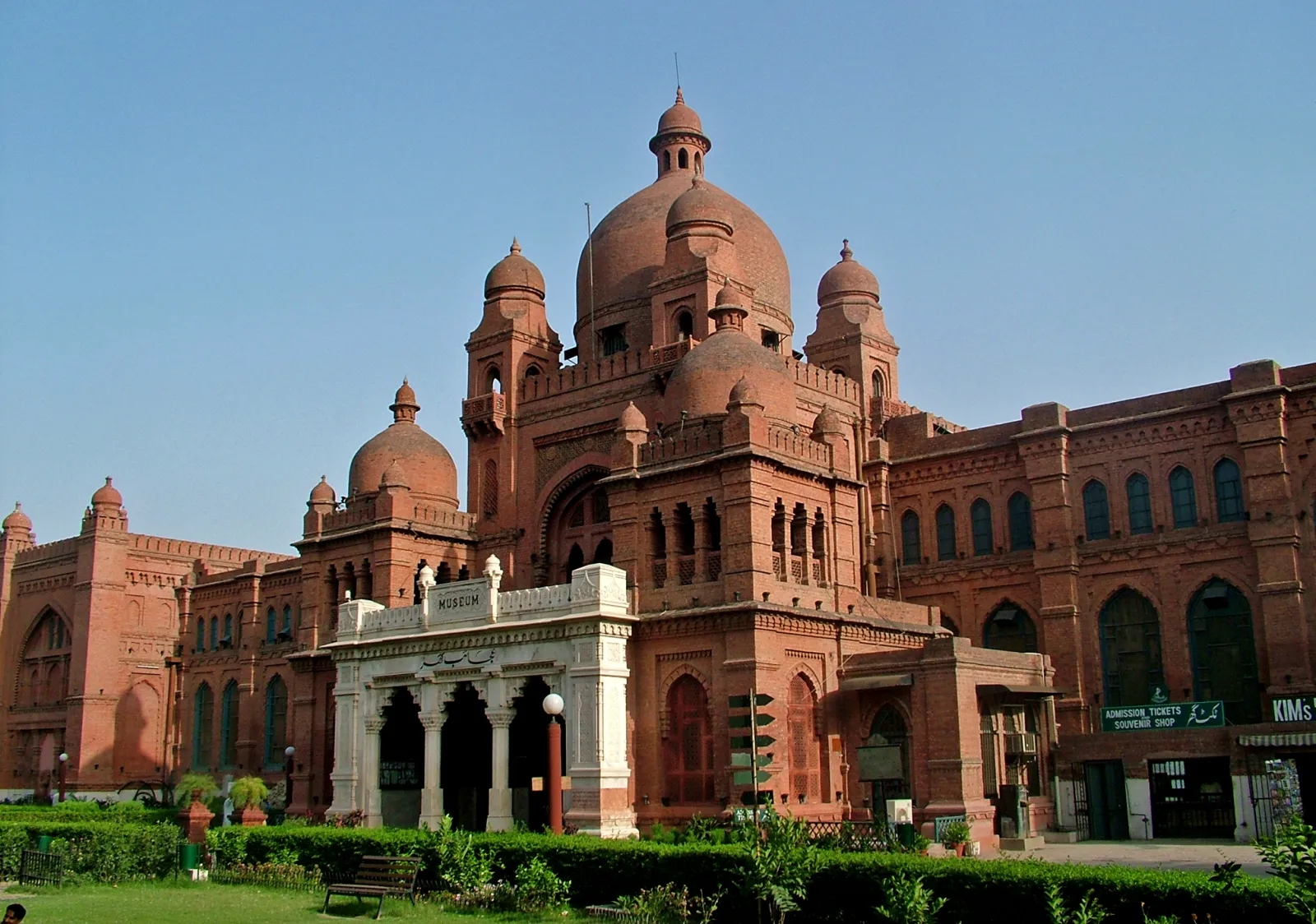
 Lahore City
Lahore: The Mughal Capital
The cultural capital of Pakistan. Boasting the UNESCO Lahore Fort, the Mirror Palace (Sheesh Mahal), Badshahi Mosque, Shalamar Gardens, Wazir Khan Mosque fresco tiles, and vibrant old city Food Street.
- Badshahi Mosque & Lahore Fort (UNESCO)
- 17th Century Wazir Khan Mosque Frescoes
- Shalamar Imperial Persian Gardens
- Delhi Gate, Shahi Hammam & Food Street
 Taxila (UNESCO)
Taxila: UNESCO Buddhist Ruins
One of the ancient world's most renowned universities and monastic centers. Flourishing from 500 BCE to 500 CE, Taxila contains stupas, monk cells, Greek-influenced city grids, and Taxila Museum.
- Dharmarajika Stupa & Jaulian Monastery
- Sirkap Greek Grid Archaeological City
- Taxila Museum Hellenistic Sculptures
- Mohra Muradu Intricate Stone Stupas
 Bahawalpur & Cholistan
Cholistan Desert & Derawar Fort
Home to the princely state of Bahawalpur, Noor Mahal Italianate palace, and the colossal Derawar Fort—featuring 40 monolithic bastions rising 30 meters above the sweeping golden desert dunes.
- Massive Derawar Fort Bastions (9th Century)
- Noor Mahal & Darbar Mahal Royal Palaces
- Annual International Cholistan Jeep Rally
- Traditional Camel Safaris & Desert Camping
 Khewra & Katas Raj
Khewra Salt Mine & Salt Range
Discovered during Alexander the Great's campaign in 326 BCE, Khewra is the world's second largest salt mine. Features illuminated salt brick mosques, miniature Minar-e-Pakistan, and natural brine pools.
- Electric Train Ride Inside 40km Tunnels
- Subterranean Salt Mosque with Minarets
- Ancient Sacred Katas Raj Hindu Temples
- Scenic Kallar Kahar Peacock Sanctuary
 Multan
: The City of Saints
One of the oldest cities in the Asian subcontinent with 5,000 years of documented history. World-renowned for majestic octagonal Sufi shrines, Kashigari hand-painted blue pottery, and camel skin craft.
- Shrine of Shah Rukn-e-Alam (Aga Khan Award)
- Bahauddin Zakariya & Shams Tabrizi Shrines
- Traditional Kashigari Blue Pottery Workshops
- Famous Multani Sohan Halwa & Mango Groves
 Kartarpur, Nankana & Panja Sahib
Sacred Sikh Heritage Sites
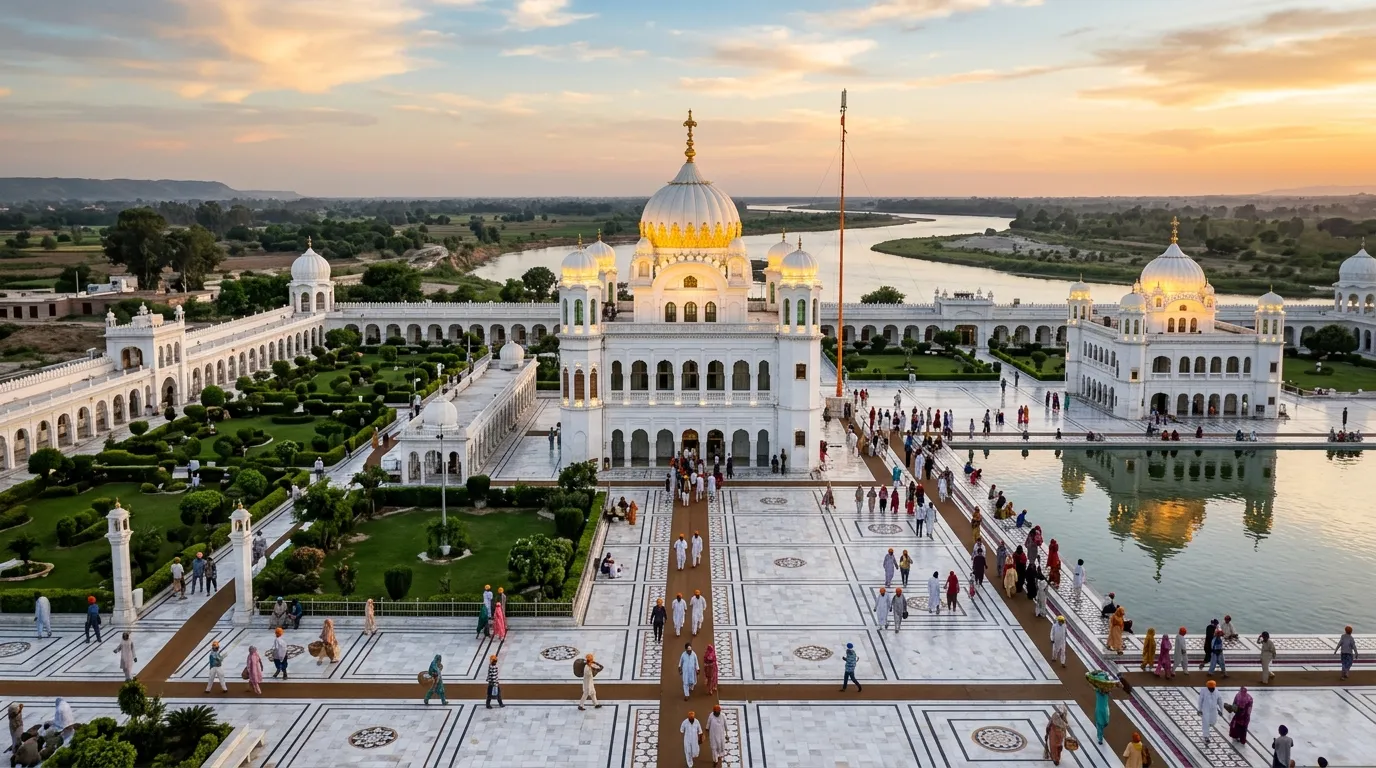
Punjab is the birthplace of Sikhism. Home to Gurdwara Janam Asthan in Nankana Sahib, Gurdwara Darbar Sahib Kartarpur (the world's largest gurdwara), and Gurdwara Panja Sahib with Guru Nanak's sacred handprint.
- Gurdwara Darbar Sahib Kartarpur Corridor
- Gurdwara Janam Asthan (Guru Nanak Birthplace)
- Gurdwara Panja Sahib Sacred Rock Spring
- Gurdwara Dera Sahib & Samadhi Ranjit Singh