About Hunza Valley & The Ancient Silk Road Shangri-La
Journey along the ancient Silk Route to Hunza Valley — a land of culture, adventure, and the fabled "Shangri-La." Explorer Eric Shipton called the views here "the ultimate manifestation of mountain grandeur." Today, the legendary Silk Road is known as the Karakoram Highway (KKH), once travelled by Marco Polo, Alexander's troops, and Buddhist pilgrims.
Upper Hunza (Gojal) offers the finest mountain views. From the 900-year-old Ondra Fort above Gulmit, you can see over 6,000-meter peaks stretching across a 120-kilometer panorama. Gulmit, the capital of Upper Hunza, is the only town on earth where five 6,000-meter peaks are visible in all four directions — Tupopdan, Shisper, Gulmit Tower, Quroon, and Distalghail Sar.
Hunza is a land of apricot, peach, apple, mulberry, walnut, and grape orchards. Glacial streams thunder down from distant peaks, and the valley is widely believed to be the inspiration for James Hilton's Lost Horizon. Its people — with golden hair and green, blue, or grey eyes — are said to descend from Alexander's soldiers and their Persian wives.
Rich History & Heritage
Hunza was an independent principality for over 900 years, dissolved in 1974. Its capital was Baltit (Karimabad), home to the 700-year-old Baltit Fort — restored by the Aga Khan Trust for Culture and reopened in 1996 — and the Altit Fort, the oldest fort in the region, perched on a cliff 1,000 feet above the Hunza River.
People & Culture
Hunza is home to three ethnic groups: the Shina-speaking Shinaki (Lower Hunza), Burushaski speakers (Central Hunza), and Wakhi speakers (Gojal). Most are Ismaili Shia Muslims, and the literacy rate exceeds 90%.
Spectacular Peaks
Rakaposhi (7,788 m), Ultar Sar (7,388 m), Bojahagur Duanasir II (7,329 m), Ghenta Sar (7,090 m), Hunza Peak (6,270 m), and Ladyfinger Peak (6,000 m) all rise above the valley.
Khunjerab National Park
Established in 1975 to protect the Marco Polo sheep, the park covers 2,271 km² and shelters snow leopards, ibex, brown bears, and Tibetan wild asses.
Spring & Autumn
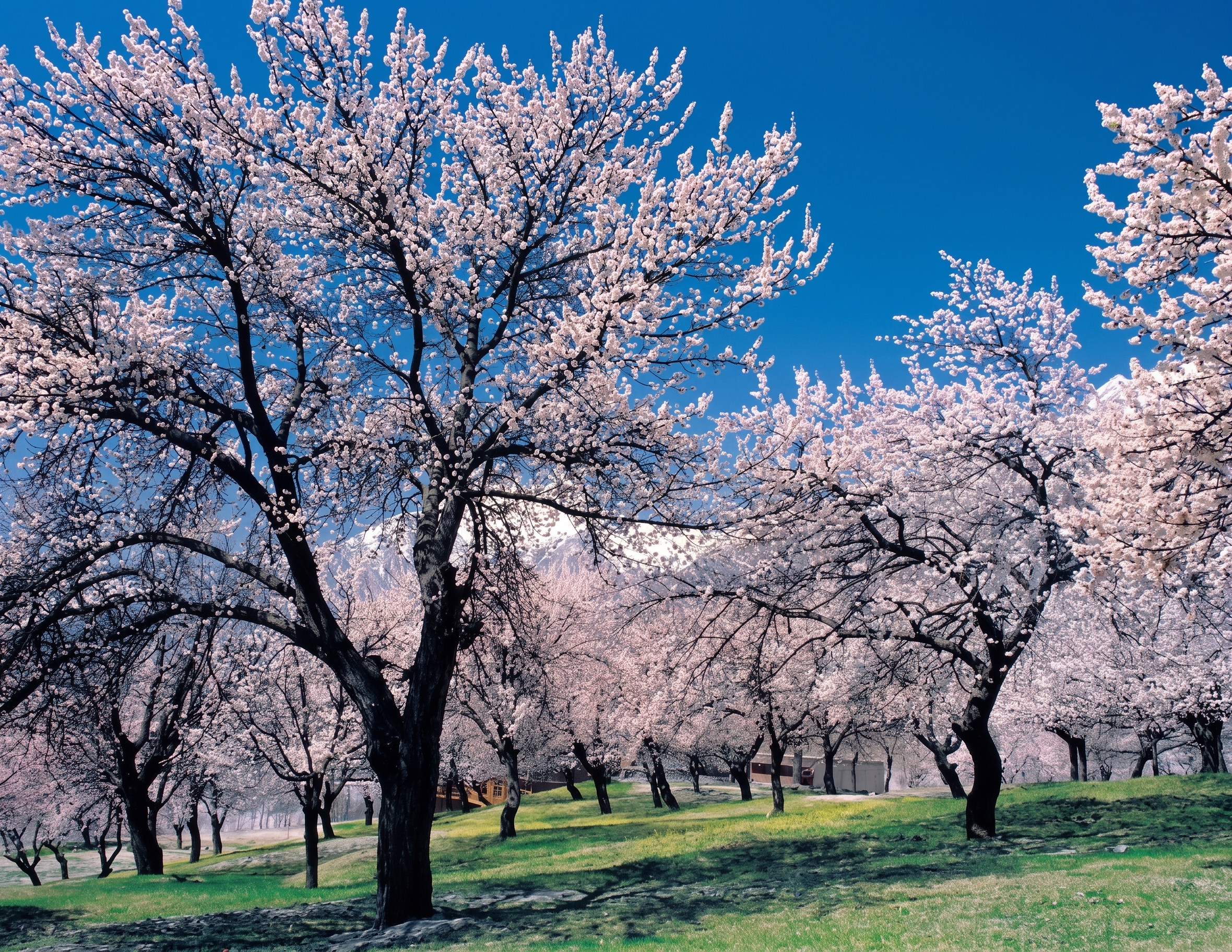
Spring (April) brings apricot and cherry blossoms; autumn turns the orchards gold and crimson — the most exciting season to visit.
Tourist Destinations of Hunza
District Hunza features 15 iconic tourist destinations steeped in ancient Silk Road heritage, soaring 7,000-meter Karakoram giants, crystalline turquoise glacial waters, and vibrant mountain cultures.
 Upper Hunza (Gojal)
Borith Lake
A serene high-altitude saline sanctuary situated above Gulmit village in Upper Hunza. Encircled by snow-crowned peaks, Borith Lake is a vital sanctuary for migratory wildfowl and an ideal trailhead for peaceful nature walks toward Ghulkin and Passu glaciers.
- Altitude: 2,600m in Gojal Valley
- Migratory Bird Watching & Nature Walks
- Gateway to Passu & Ghulkin Glacier Trails
 Upper Hunza (Gojal)
Passu Glacier
Situated on the southern flank of Passu village, this spectacular glacier flows from the high massif of Passu Sar (7,478m). Visitors can walk along the lateral moraine enjoying dramatic views of towering ice seracs beneath the jagged cathedral spires of Passu Cones.
- Direct Access from Karakoram Highway
- Iconic Backdrop of Passu Cathedral Spires
- Guided Ice-Walks & Glacier Treks
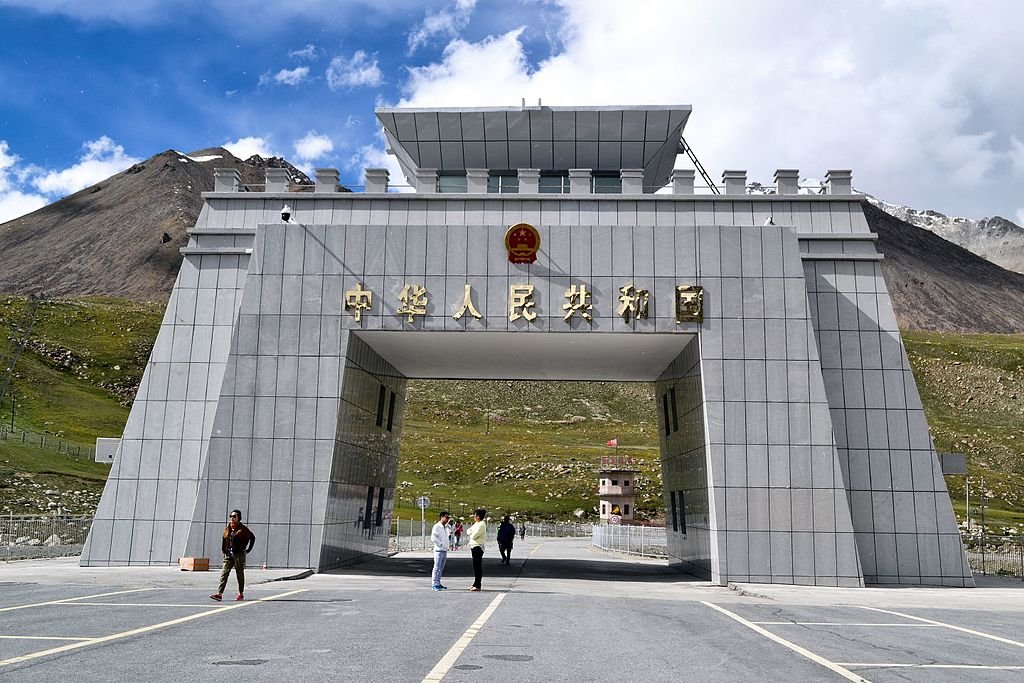 4,693m Frontier
Khunjerab Pass (Pak-China Border)
The world's highest paved international border crossing, connecting Pakistan with China across the Karakoram range. Enclosed within the protected Khunjerab National Park, it offers sightings of Himalayan ibex, golden marmots, and snow leopards.
- Highest Paved Border Crossing (4,693m)
- Khunjerab National Park Alpine Wildlife
- World's Highest ATM & Monumental Gateway
 Frontier Trade Hub
Sost Valley & Dry Port
Sost is the vibrant northern gateway and customs border hub in Upper Hunza along the Karakoram Highway. Featuring bustling bazaars, tax-free trade markets, and the staging point for journeys into Chipursan and the high Pamir passes.
- Northern International Customs Port
- Bustling Chinese Silk & Dry Fruit Markets
- Gateway to Chipursan & Wakhi Valleys
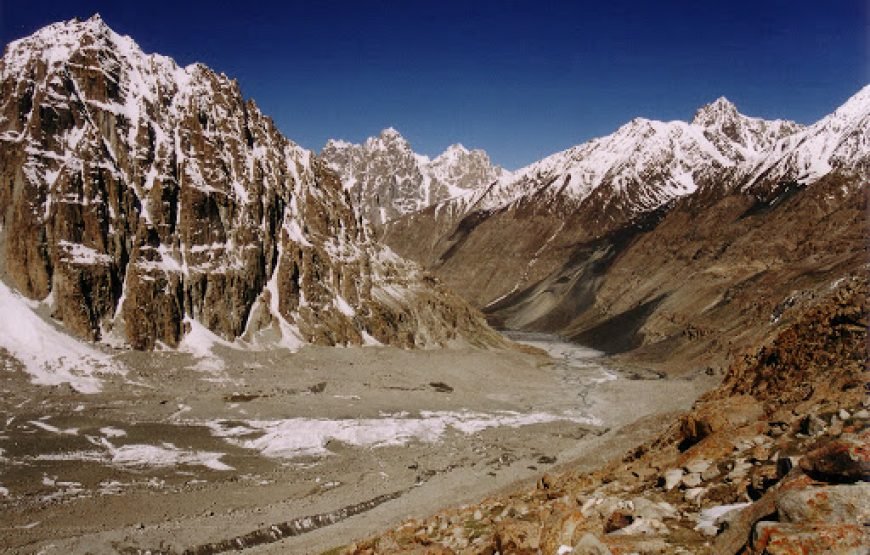 Ancient Silk Road
Kilik Pass and Mintaka Pass
Located north of Misgar Valley, Kilik and Mintaka Passes are the legendary mountain crossings through which ancient Silk Road caravans, pilgrims, and explorers entered China's Xinjiang province and Central Asia for centuries.
- Historic High Silk Road Caravan Corridors
- Remote Alpine Meadows & Yak Pastures
- Untouched Wilderness Frontier Trekking
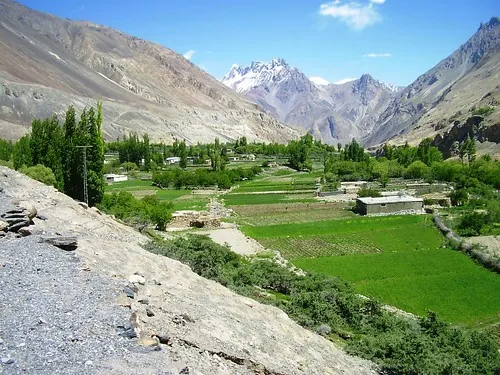 Upper Hunza Frontier
Misgar Valley
A secluded and picturesque historical valley in northern Hunza at the crossroads of ancient trans-Himalayan trade routes. Renowned for its stone-masonry architecture, friendly Wakhi inhabitants, crystal-clear streams, and rich historical heritage.
- Crossroads of Ancient Karakoram Routes
- Historic British-era Telegraph & Post House
- Pristine Glacial Streams & Village Walks
 Cultural Capital
Karimabad Valley
The historic royal capital of Central Hunza (formerly Baltit), Karimabad is famous for its cobblestone alleys, traditional handicraft shops, walnut cafes, terraced apricot orchards, and unparalleled vistas of Rakaposhi (7,788m) and Ultar Sar.
- Cobblestone Bazaar & Gemstone Shops
- Panoramic 360° Views of Rakaposhi & Ultar
- Famous Cafe de Hunza & Royal Viewpoints
 Historic Outpost
Kalamdarchi Fort
Named after a revered dervish and built during the British colonial period, this dramatic stone garrison sits perched on a rocky cliff in Misgar to guard the northern Karakoram frontier passes against imperial expansion during the 19th-century 'Great Game'.
- 19th-Century 'Great Game' Frontier Fortress
- Dramatic Strategic Clifftop Positioning
- Rich Anglo-Hunza Military & Frontier Lore
 700-Year Heritage
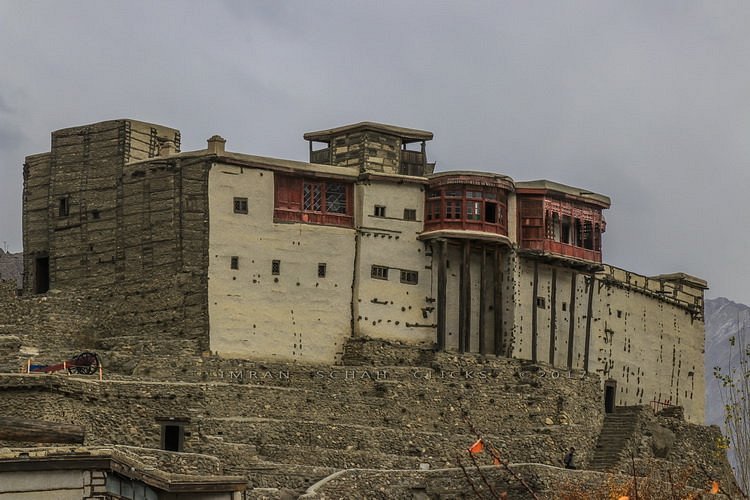
Baltit Fort
An iconic 700-year-old Tibetan-influenced medieval castle on the UNESCO World Heritage Tentative List. Perched grandly above Karimabad, the fort served as the royal seat of the Mirs of Hunza and now showcases an award-winning museum of royal treasures.
- UNESCO Heritage-Award Winning Restoration
- Medieval Royal Staterooms & Armory Museum
- Sweeping Overlook of Entire Hunza Valley
 900-Year Fortress
Altit Fort & Ancient Village
The oldest standing monument in Gilgit-Baltistan (over 900–1,100 years old), Altit Fort sits atop a 1,000-foot vertical cliff over the roaring Hunza River. The adjacent ancient village features royal Kha Basi apricot gardens and traditional women's carpentry craft centers.
- Oldest Historical Castle in Gilgit-Baltistan
- 1,000-Foot Vertical Cliff Sentinel (Shikari Tower)
- Ancient Kha Basi Royal Apricot Gardens
 Upper Hunza (Gojal)
Gulmit Valley
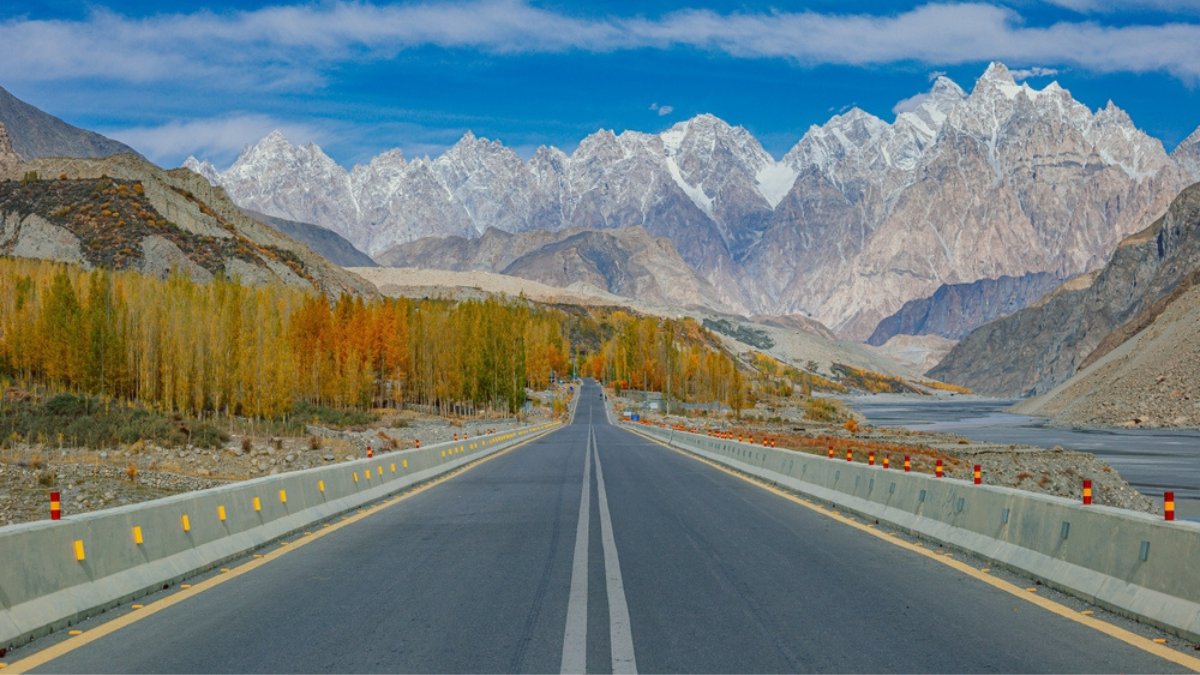
The historic summer headquarters of Upper Hunza (Gojal), Gulmit is celebrated for its centuries-old Wakhi heritage, traditional wooden architecture, local cultural museums, carpet-weaving cooperatives, and stunning backdrop of the Passu Cones.
- Centuries-Old Wakhi Traditional Old Houses
- Gulmit Cultural Museum & Music Academy
- Women Carpet-Weaving Center & Heritage Trails
 Turquoise Jewel
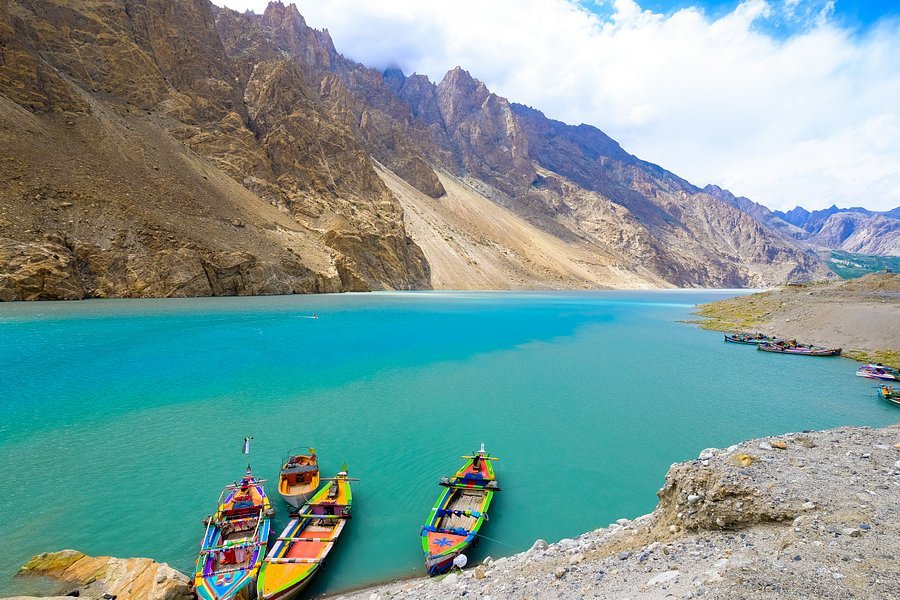
Attabad Lake
Created in 2010, this world-renowned turquoise glacial lake stretches for over 21 kilometers between sheer Karakoram canyon walls. It is a premier hub for scenic motorized boat cruises, jet skiing, cliff boating, and luxury lakeside resorts.
- 21km Dramatic Turquoise Mountain Lake
- Speedboating, Jet Skiing & Lake Cruises
- Scenic Karakoram Highway Waterfront Drive
 Upper Hunza (Gojal)
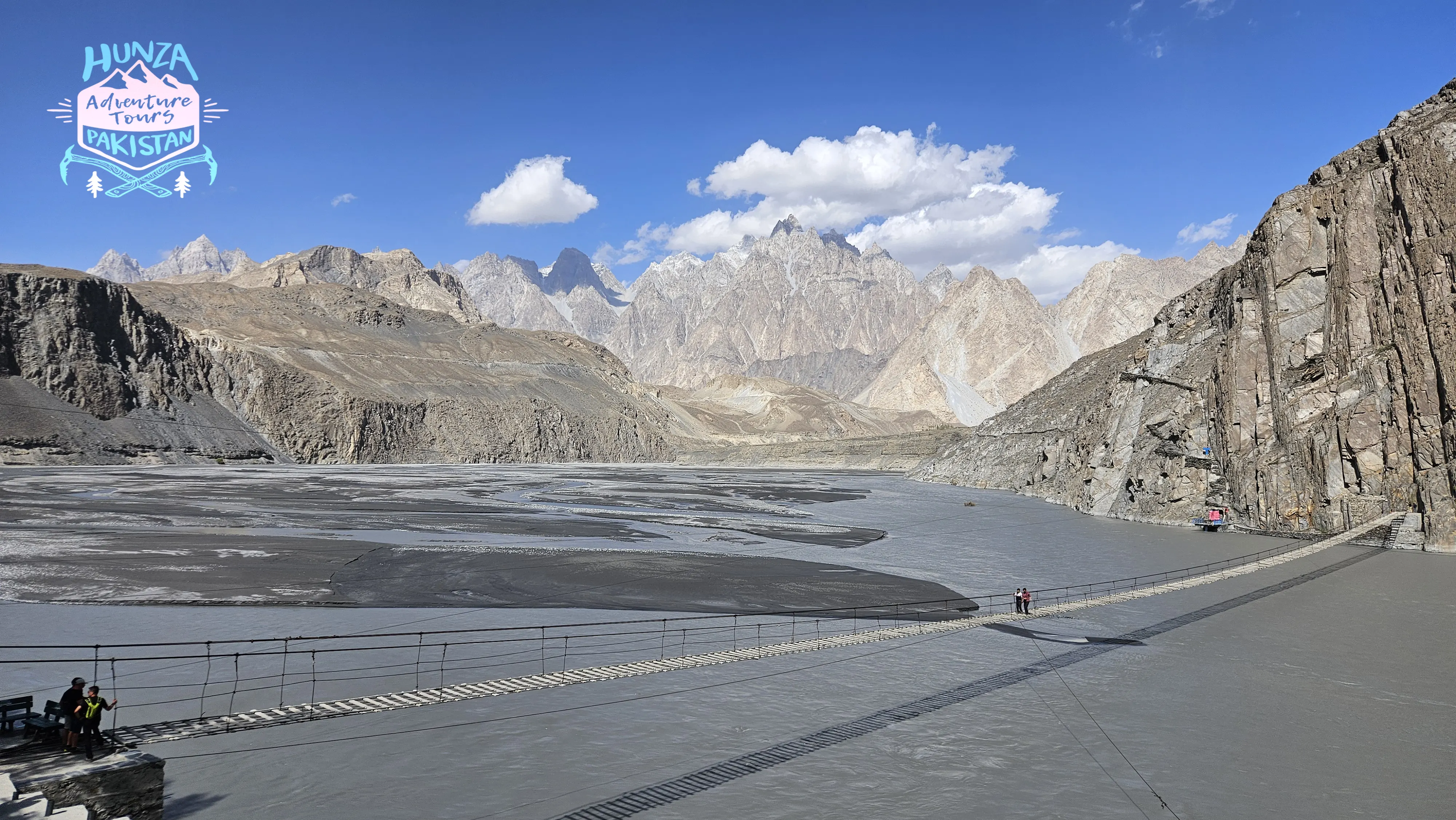
Hussaini Suspension Bridge
Suspended precariously across the roaring Hunza River in Gojal, this iconic rope and wood plank hanging bridge is renowned as one of the world's most thrilling adventure crossings, offering breathtaking views of Passu Cones and the surrounding glaciers.
- Iconic Wooden Plank & Cable Hanging Bridge
- Stunning Vistas of Passu Cones & River Gorge
- Zipline & Adventure Walks in Upper Hunza
 Mountaineering Frontier
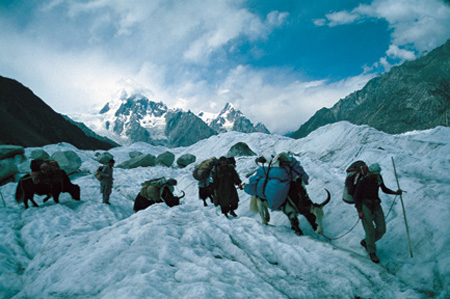
Shimshal Valley & Pamir Pastures
The highest settlement in Hunza District, famous as the home of Pakistan's elite mountaineering pioneers. Shimshal is a remote alpine sanctuary of deep gorges, high-altitude yak pastures (Pamir), glaciers, and trekking peaks like Minglik Sar (6,050m).
- Highest Mountain Settlement in Hunza (3,100m)
- Home of Legendary High-Altitude Mountaineers
- High Pamir Yak Pastures & Minglik Sar Peak
 Wakhan Border Sanctuary
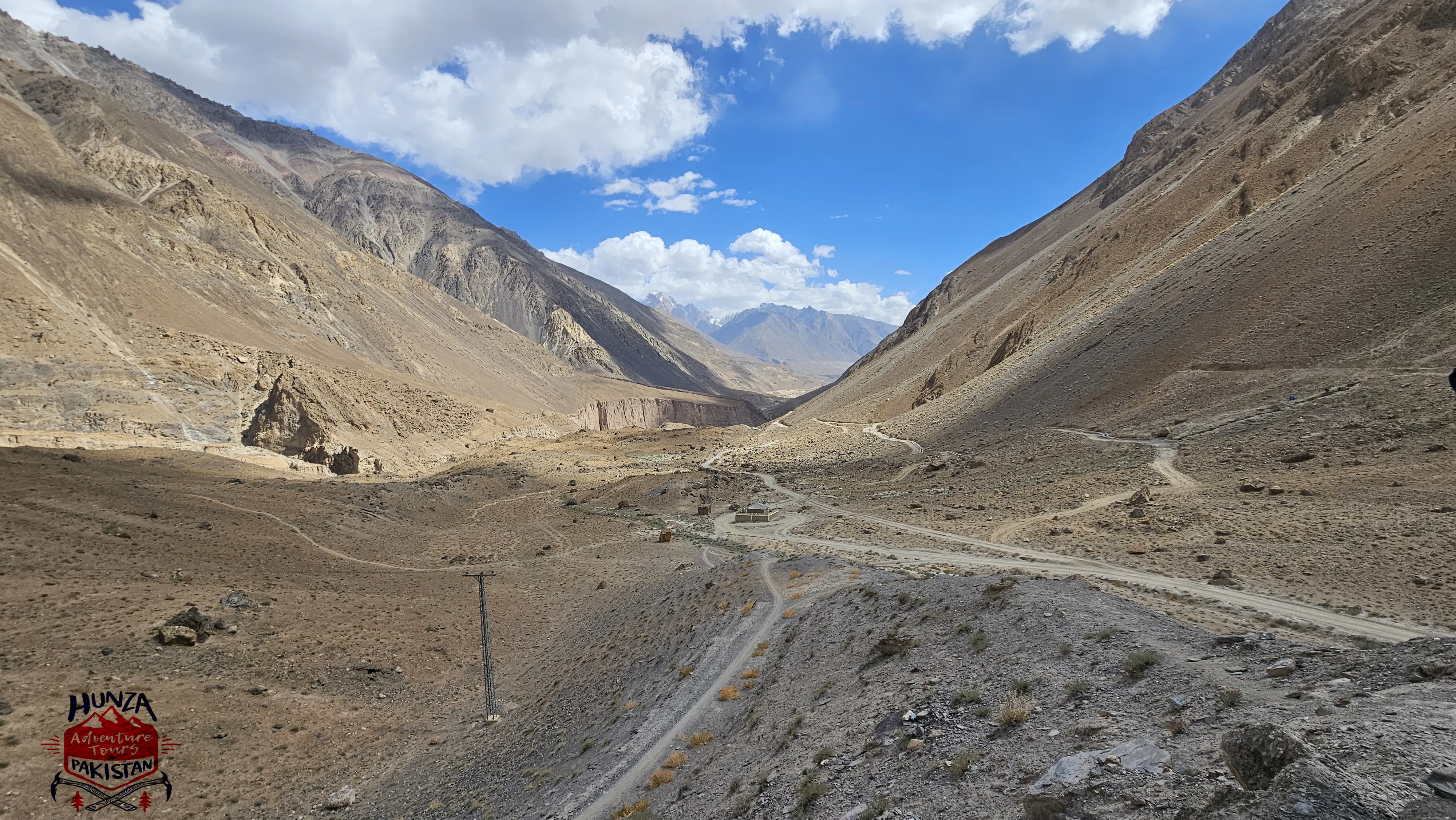
Chipursan Valley & Baba Ghundi
A mystical and remote frontier valley bordering the Wakhan Corridor of Afghanistan. Known for its distinct Wakhi nomadic lifestyle, ancient spiritual shrine of Baba Ghundi, rolling high-altitude pastures, and untouched mountain beauty.
- Bordering the Ancient Afghan Wakhan Corridor
- Sacred 13th-Century Baba Ghundi Ziarat Shrine
- Pure Wakhi Nomadic Culture & Yak Caravans
The Secret of Hunza Longevity & Vitality
For centuries, travelers and researchers have been fascinated by the vibrant health and remarkable lifespans of the Hunzakuts. Their secret lies in:
- Mineral-rich glacial meltwater flowing directly from Ultar and Passu glaciers.
- Sun-dried organic apricots, apricot kernel oil, and buckwheat mountain bread.
- Active daily walking across steep terraced mountain trails.
- A peaceful, stress-free culture grounded in mutual community support and hospitality.