
About Balochistan & The Untamed Wilds of Southwest Pakistan
Balochistan, Pakistan's largest province by area, is a land of dramatic contrasts. From the rugged peaks of the Sulaiman and Kirthar ranges to the vast Makran coastline along the Arabian Sea, this province remains one of the most unexplored and captivating regions of South Asia. Rich in natural resources, ancient history, and unique cultures, Balochistan offers travelers a rare opportunity to experience a side of Pakistan that few ever see.
A Land of Diverse Landscapes
Balochistan's geography is as varied as it is breathtaking. The province spans over 347,000 square kilometers, making up nearly 44% of Pakistan's total land area. Its landscapes include:
-
Mountain Ranges – The Sulaiman, Kirthar, and Toba Kakar ranges dominate the interior, with peaks exceeding 3,000 meters
-
Deserts – The Kharan and Chagai deserts stretch across the northwest, with vast expanses of sand and rocky terrain
-
Coastline – Over 750 kilometers of Arabian Sea coastline, including the port city of Gwadar
-
Plateaus – The Balochistan Plateau, a high-altitude region with an average elevation of 600-900 meters
-
Valleys – Fertile valleys like Quetta, Pishin, and Zhob support agriculture and fruit orchards
Quetta: The Fruit Garden of Pakistan
Quetta, the provincial capital, sits at an elevation of 1,680 meters and is known as the "Fruit Garden of Pakistan." Surrounded by rugged mountains, the city is famous for its delicious apples, peaches, apricots, pomegranates, and cherries.
Key attractions in and around Quetta include:
-
Hanna Lake – A scenic lake surrounded by hills, popular for picnics and boating
-
Hazarganji Chiltan National Park – Home to the rare Chiltan markhor and other wildlife
-
Quetta Museum – Houses artifacts from the region's ancient history
-
Bolan Pass – A historic mountain pass that has been a gateway between South Asia and Central Asia for centuries
-
Urak Valley – A beautiful valley with fruit orchards and streams
Gwadar: The Gateway to the Arabian Sea
Gwadar, a port city on the Arabian Sea, is one of Pakistan's most strategically important locations. Its deep-sea port and free trade zone have made it a hub of international interest. For travelers, Gwadar offers:
-
Gwadar Port – A modern deep-sea port with views of the Arabian Sea
-
Koh-e-Batil – A dramatic rock formation offering panoramic views of the coastline
-
Ormara Beach – A pristine beach along the Makran Coastal Highway
-
Astola Island – Pakistan's largest offshore island, known for its pristine beauty and marine life
The Makran Coastal Highway, which runs from Karachi to Gwadar, is one of the most scenic drives in Pakistan, with dramatic views of the sea and the Hingol National Park.
Hingol National Park: Where Nature Meets Mythology
Hingol National Park, Pakistan's largest national park, is a treasure trove of natural wonders and cultural landmarks. Spanning over 6,100 square kilometers, the park is home to:
-
Hingol River – The longest river in Balochistan, flowing through the park
-
Mud Volcanoes – Rare geological formations that bubble with cold mud
-
Chandragup Mud Volcano – A spectacular mud volcano that erupts with cold mud
-
Princess of Hope – A naturally carved rock formation resembling a princess
-
Sphinx – A natural rock formation resembling the Sphinx of Egypt
-
Hinglaj Mata Mandir – A sacred Hindu temple, one of the most important pilgrimage sites for Hindus in Pakistan
-
Wildlife – Sindh ibex, urial, chinkara, and migratory birds
The Sulaiman Range and Takht-e-Sulaiman
The Sulaiman Range runs through eastern Balochistan and is home to Takht-e-Sulaiman (Throne of Solomon), a peak at 3,487 meters. According to legend, Prophet Solomon (Sulaiman) stood on this peak and looked toward India. The area offers excellent trekking opportunities and panoramic views of the surrounding plains.
Nearby, the Fort Munro hill station offers a cool retreat from the summer heat, with views over the Sulaiman Range and the Indus Plains.
Ziarat and the Juniper Forests
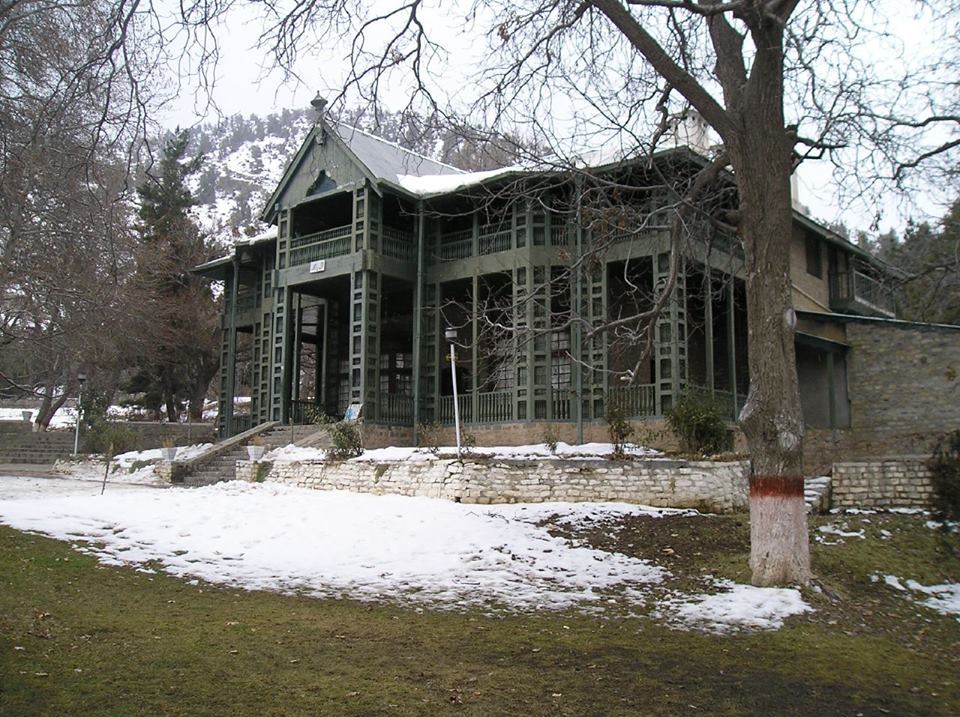
Ziarat, a hill station at 2,449 meters, is famous for its juniper forests — some of the oldest and largest in the world. The Quaid-e-Azam Residency, where Pakistan's founder Muhammad Ali Jinnah spent his final days, is a national heritage site and a major attraction.
The surrounding Ziarat Juniper Forest is a UNESCO Biosphere Reserve, with some trees estimated to be over 5,000 years old. The area is also home to the Sulaiman markhor and other wildlife.
Chagai and the Deserts
The Chagai District in northwest Balochistan is a remote and arid region, known for its vast deserts and mineral wealth. It was here that Pakistan conducted its nuclear tests in 1998 at Ras Koh Hills.
The Kharan Desert offers a stark and beautiful landscape, with sand dunes and rocky outcrops. It is sparsely populated, with nomadic Baloch tribes maintaining their traditional way of life.
Cultural Heritage: The Baloch People
The Baloch people are the predominant ethnic group in Balochistan, with their own language (Balochi), culture, and traditions. Known for their bravery, hospitality, and poetic traditions, the Baloch have a rich oral history passed down through generations.
Balochi culture is celebrated through:
-
Music – Balochi folk music features instruments like the suroz (a bowed instrument) and doneli (a double flute)
-
Dance – The Lehwa and Chap dances are performed at weddings and festivals
-
Crafts – Balochistan is famous for its Balochi embroidery, mirror work, and carpets
-
Poetry – Balochi poetry is renowned for its themes of love, honor, and patriotism
The Brahui people of central Balochistan speak Brahui, a Dravidian language, and have their own unique cultural traditions.
Cuisine: A Taste of Balochistan
Balochi cuisine is simple, hearty, and flavorful, reflecting the province's nomadic heritage:
-
Sajji – A whole lamb or chicken roasted on a spit, a Balochi specialty
-
Kaak – A hard bread baked in a tandoor
-
Dampukht – Meat cooked in its own juices with spices
-
Balochi Tikka – Marinated meat grilled over charcoal
-
Khaddi Kabab – A whole chicken or lamb stuffed with rice and spices
Practical Information for Travelers
Best Time to Visit: October to March offers the most pleasant weather for exploring Balochistan. Summers (April-June) are extremely hot in the plains, while winters (December-February) can be cold in the highlands.
Getting There: Quetta International Airport is the main gateway, with flights from Karachi, Islamabad, and Lahore. The Makran Coastal Highway connects Karachi to Gwadar, offering a scenic road journey. Travelers should check current travel advisories and obtain necessary permits for certain areas.
Languages: Balochi is the predominant language, with Brahui, Pashto, and Urdu also widely spoken. English is understood in urban areas.
Travel Advisory: Some parts of Balochistan require special permits for foreign travelers. It is essential to travel with a licensed tour operator and check current security conditions before planning your trip.
Discover Balochistan with Hunza Adventure Tours. From the mud volcanoes of Hingol to the juniper forests of Ziarat and the pristine beaches of Gwadar, we craft personalized itineraries that reveal the hidden treasures of Pakistan's largest province. Contact us to plan your journey.
Iconic Destinations of Balochistan
Explore surreal coastal monoliths, high-altitude alpine juniper forests, and pristine turquoise canyon pools.
 Hingol & Kund Malir
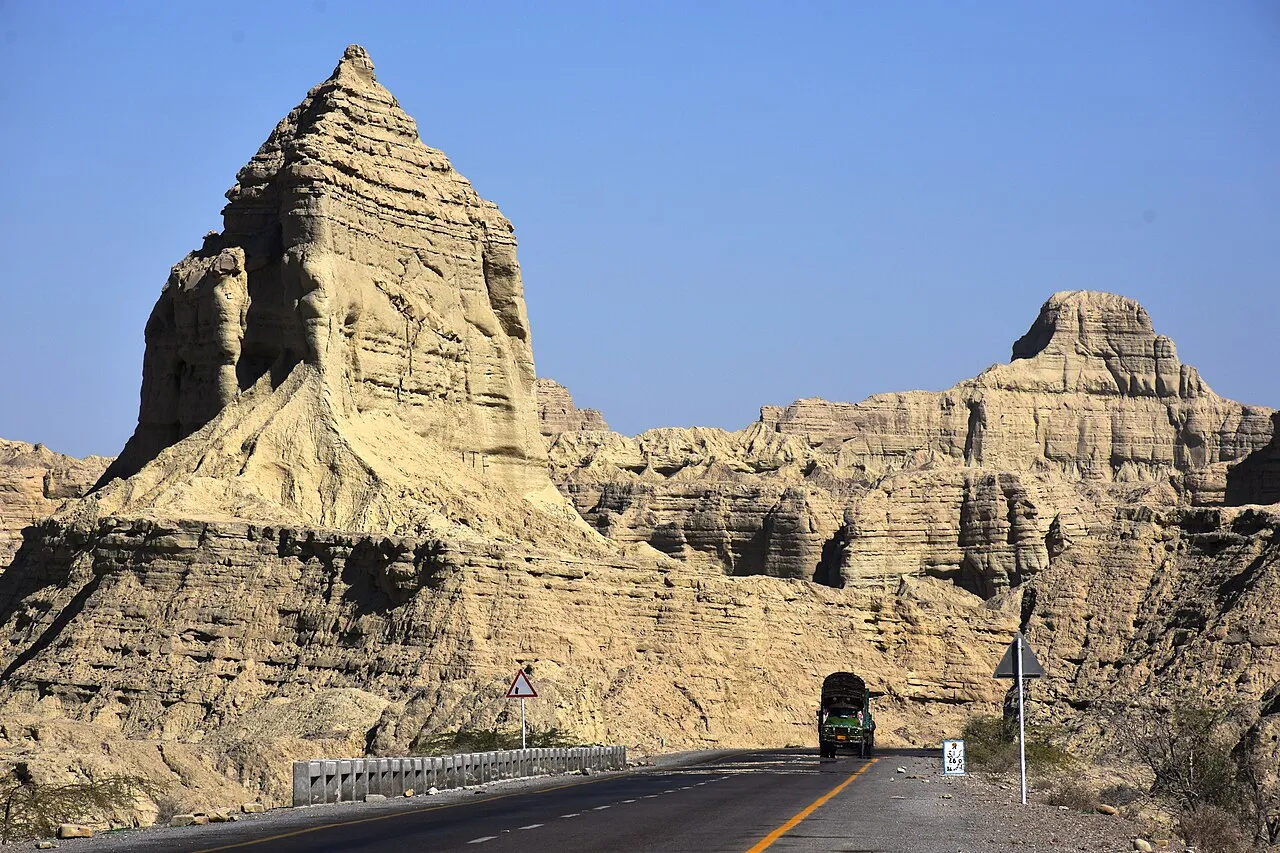
Hingol Park & Princess of Hope
Pakistan's largest national park spanning 6,100 km². Famous for bizarre lunar rock formations, the natural rock monolith named "Princess of Hope" by Hollywood actress Angelina Jolie, Sphinx of Balochistan, and Hinglaj Mata shrine.
- Princess of Hope Natural Rock Pillar
- Great Sphinx of Balochistan Formation
- Kund Malir Golden Sand Dunes & Beach
- Ancient Hinglaj Mata Cave Temple
 Gwadar & Astola
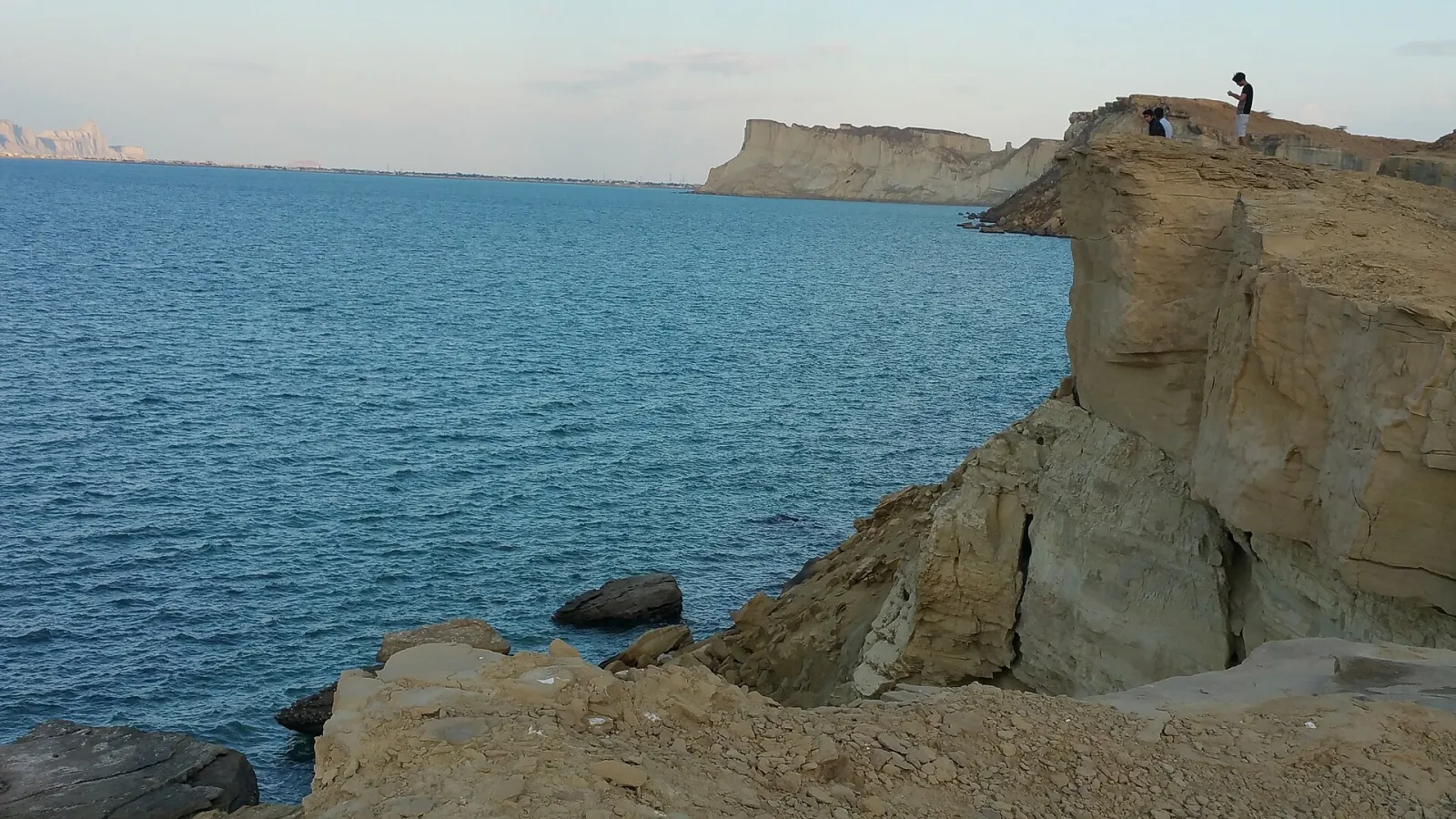
Gwadar Peninsula & Astola Island
The deep-sea crown jewel of the Arabian Sea with the iconic Hammerhead rock headland, Koh-e-Batil cliff viewpoint, Ormara beach, and Astola Island—Pakistan's first Marine Protected Area renowned for turquoise diving waters.
- Hammerhead Peninsula & Koh-e-Batil Views
- Astola "Island of Seven Hills" Snorkeling
- Marine Drive & Traditional Dhow Shipyards
- Sea Turtle Nesting Beaches at Ormara
 Ziarat Highlands
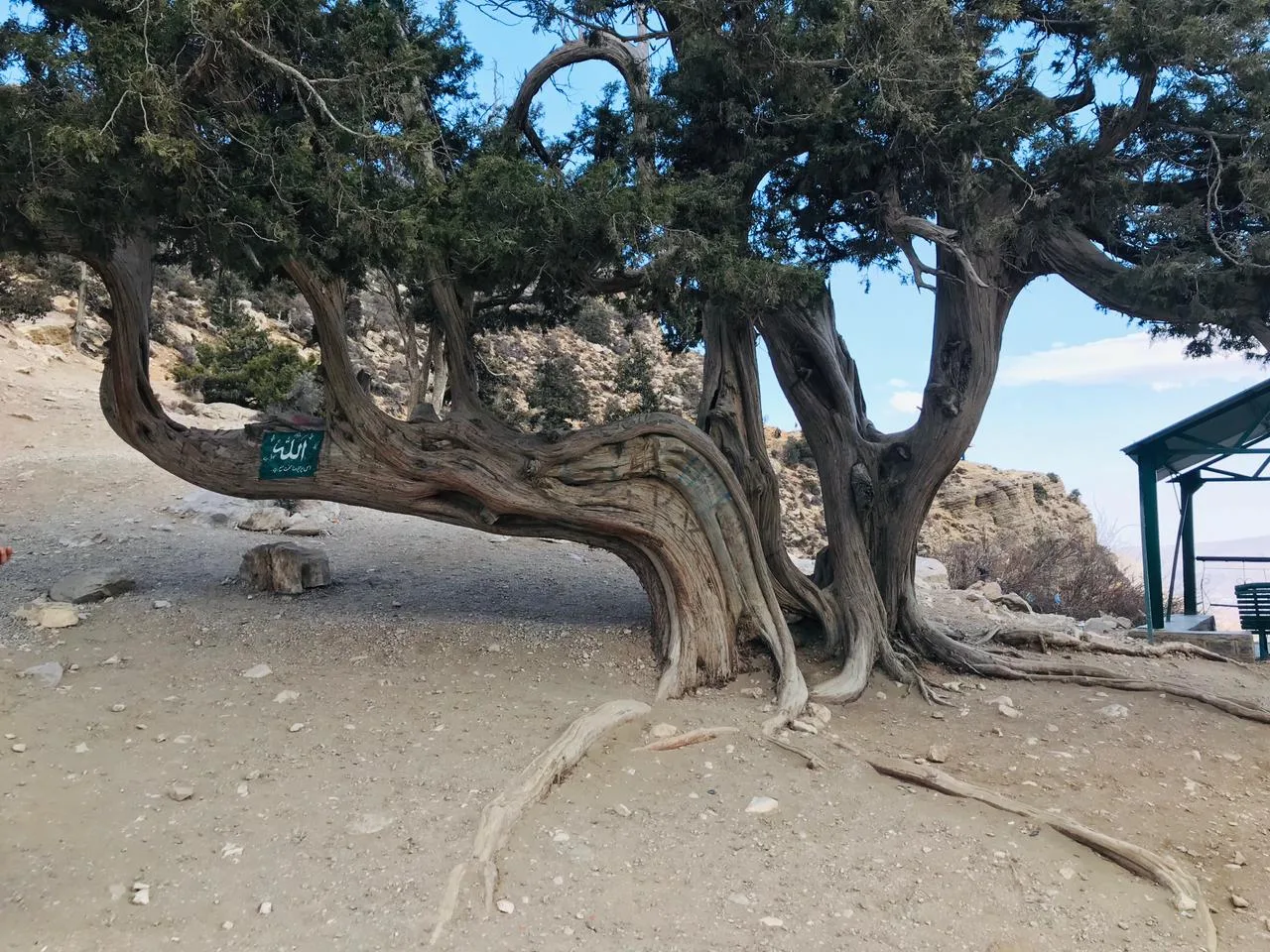
Ziarat Ancient Juniper Forest
Perched at 2,400 meters altitude, Ziarat is home to the world's second-largest and oldest Juniper forest, with trees dating back over 3,000 years. Features cool mountain climate, cherry orchards, and the historic Quaid-e-Azam Residency.
- UNESCO Man & Biosphere Juniper Reserve
- Historic Wooden Quaid-e-Azam Residency
- Prospect Point Valley Overlook at Sunset
- Sandeman Tangi & Fern Tangi Gorges
 Khuzdar Canyons
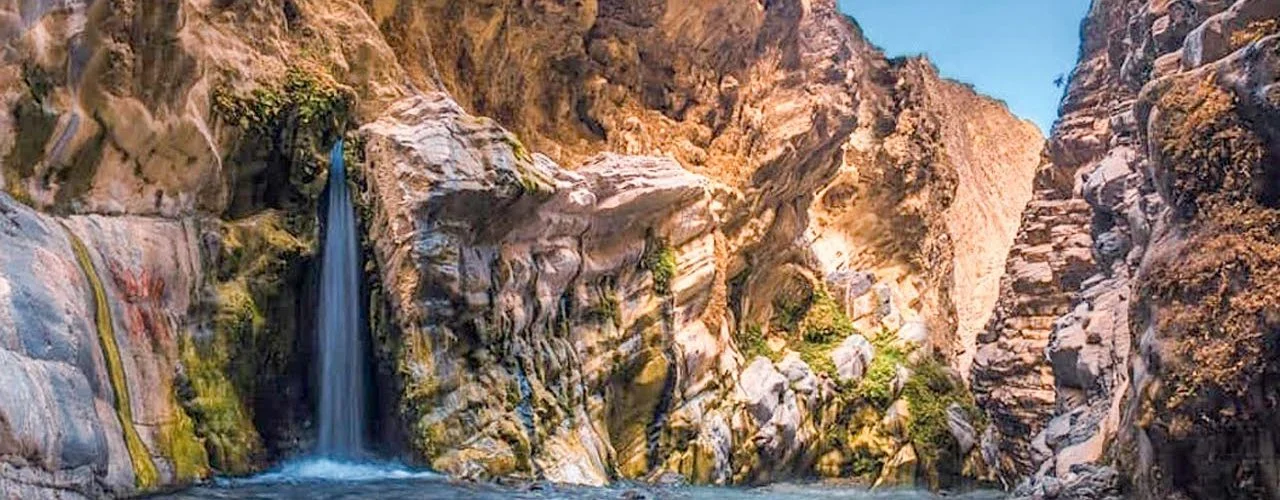
Moola Chotok Emerald Oasis
A hidden jewel tucked between the rugged mountain ravines of Khuzdar. Crystal turquoise stream waterfalls cascade between sheer vertical rock walls, creating natural emerald plunge pools ideal for wild swimming and canyoning.
- Multi-Tiered Cascading Turquoise Waterfalls
- Deep Rock Canyoneering & River Trekking
- Natural Fresh Spring Emerald Pools
- Rugged 4x4 Off-Road Mountain Expedition
 Quetta Valley
Quetta: The Fruit Garden of Pakistan
The provincial capital enclosed by the Chiltan, Zarghoon, and Murdar mountain ranges. Known for turquoise Hanna Lake, Urak Valley apple and peach orchards, Hazarganji Chiltan National Park, and bustling dry fruit bazaars.
- Turquoise Hanna Lake Boating & Pine Hills
- Hazarganji National Park (Chiltan Markhor)
- Kandahari Bazaar Dry Fruits & Balochi Sajji
- Command & Staff College Military Museum
 Bolan Gorge
Bolan Pass & Pir Ghaib Oasis
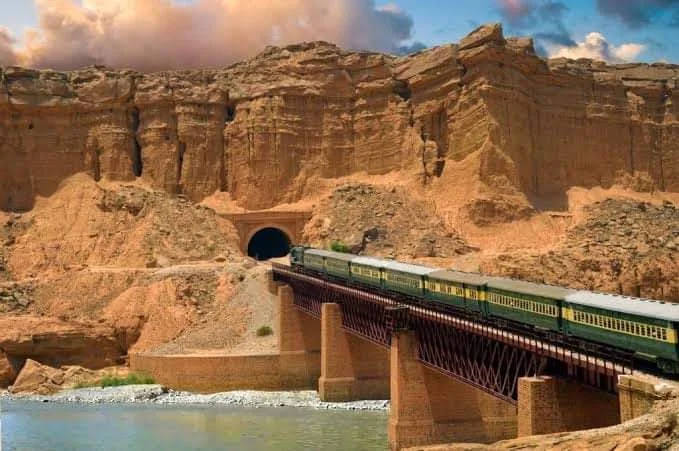
The historic Bolan mountain pass served as the gateway for trade caravans and armies between Central Asia and South Asia. Down in the gorge lies Pir Ghaib, a miraculous perennial freshwater spring and waterfall hidden among wild date palms.
- Epic 89-km Bolan Mountain Gorge Highway
- Pir Ghaib Twin Cascades & Palm Oasis
- Mach Railway Tunnels & Colonial Bridges
- Ancient Silk Road Trade Caravan Route