Tour Overview & Experience
Personalised journeys from start to finish
Custom pacing, private certified native guides & tailored group itineraries.
Every trip helps support Conservation
Fair-wage porter insurance, Leave-No-Trace practices & local community aid.
Seamless travel, every detail perfected
All permits, deluxe accommodations, private transport & 24/7 expert logistics.
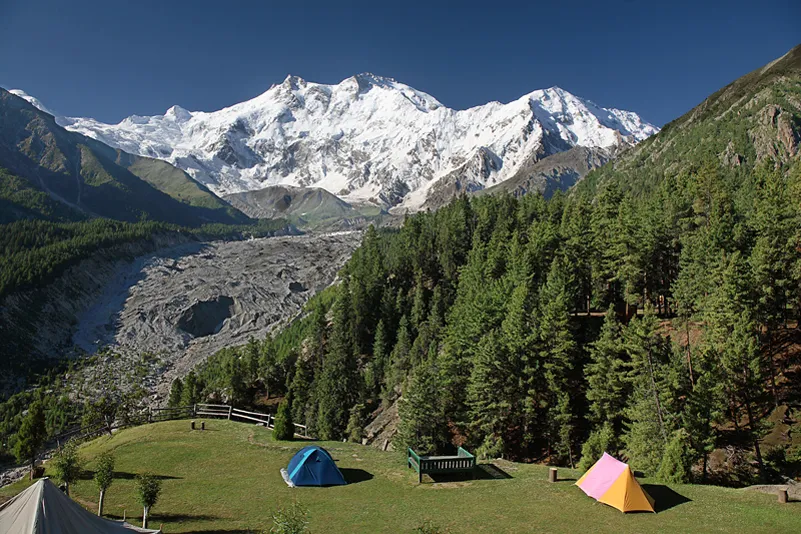
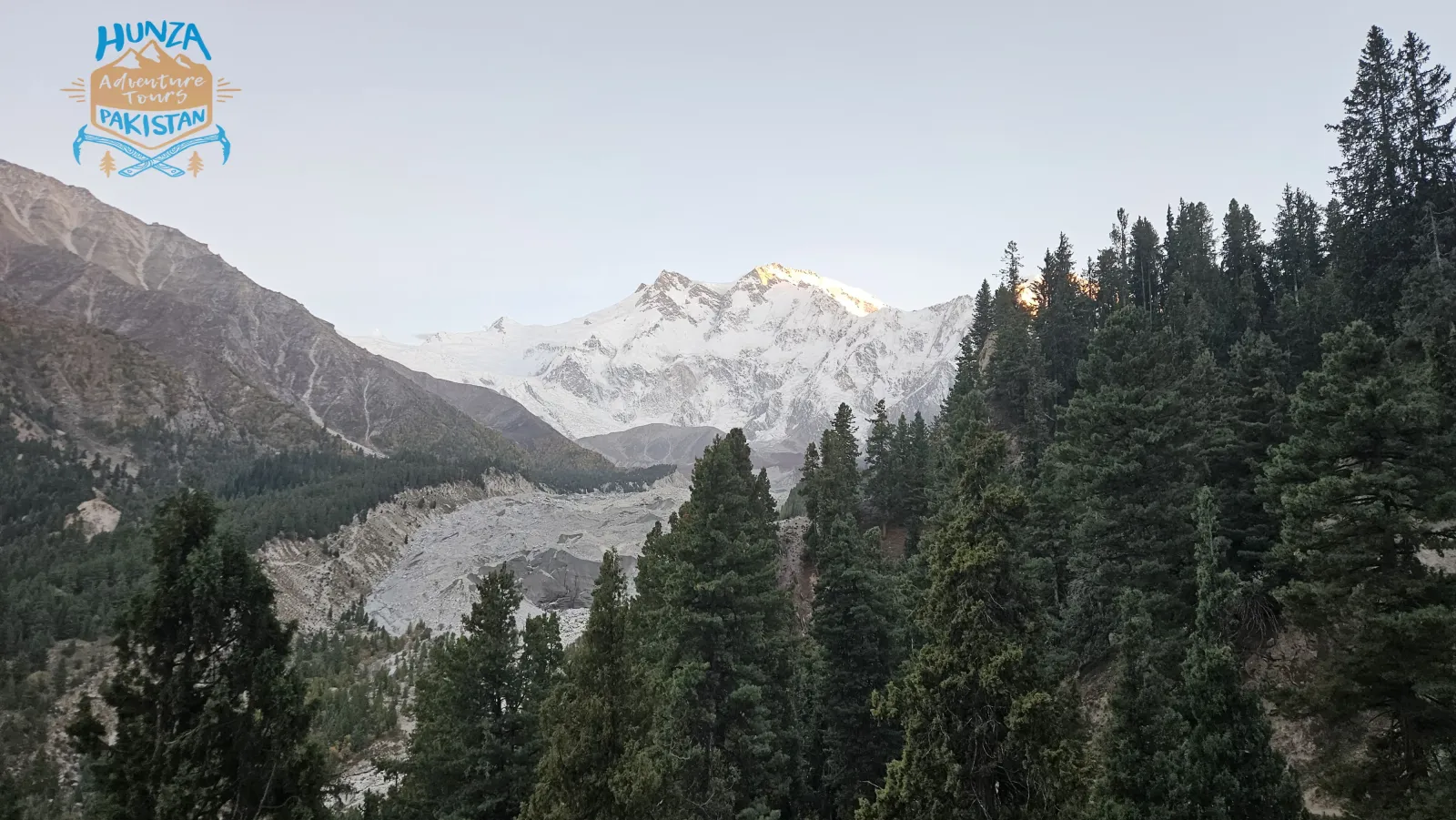
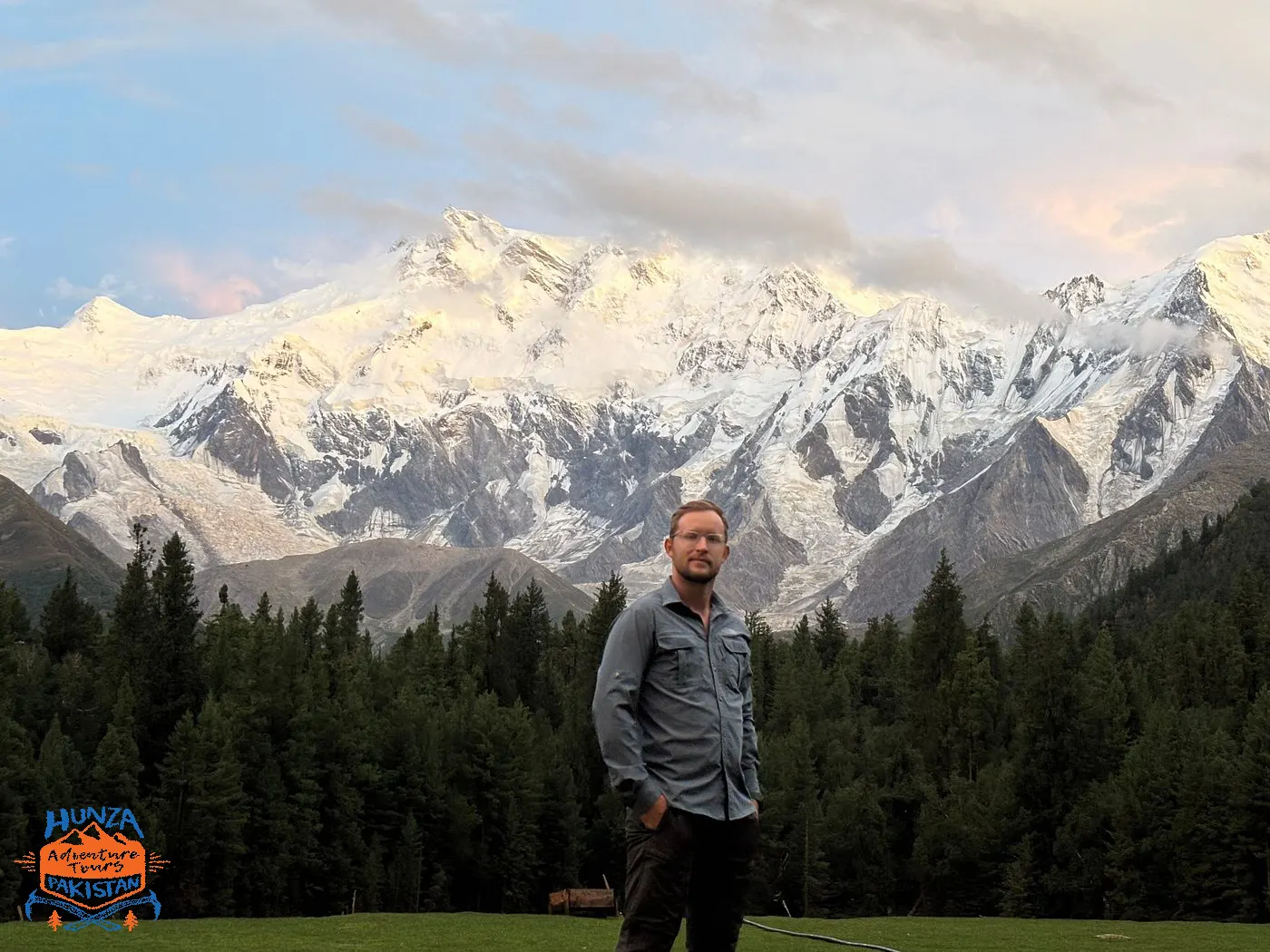
Nanga Parbat (8,126m) is the ninth-highest mountain in the world and Pakistan's second-highest peak after K2. Often called the "Killer Mountain," it is known for its steep slopes, dramatic ridges, and extreme climbing challenges. Located in Gilgit-Baltistan's Diamer District, it marks the westernmost point of the Himalayas. The mighty Indus River flows at its base, creating a striking natural divide between the Himalayas and the Karakoram Range.
Nanga Parbat rises directly from the valley of the Indus. It is made up of a 20-kilometer-long series of peaks and ridges that culminate in an ice crest at 8,125m. Its South Face, known as the Rupal Face, stands at 5,000 metres — the world's largest. The North Face, known as the Raikot Face, plunges over 7,000 metres from the summit to the Indus, forming one of the world's deepest gorges.
History of Nanga Parbat
-
1895: First disastrous British expedition led by A.F. Mummery
-
1953: First ascent by a joint Austrian-German expedition. Hermann Buhl completed the ascent in a gruelling 41-hour solo effort without oxygen
-
1970: Italian mountaineer Reinhold Messner and his brother Gunther climbed the south face (Rupal Face) and descended via the Diamir Face
-
2016: First winter ascent by Ali Sadpara, Alex Txikon, and Simone Moro
-
2018: Second winter ascent by Tomasz Mackiewicz (Poland) and Elisabeth Revol (France)
Most attempts nowadays are made via the Westerly Diamir Face, widely regarded as the easiest and safest, with the Kinshofer Route serving as the standard route.
Jerzy Kukuczka, a Polish climber, described it as "the only mountain that can be climbed in all four seasons, from sweltering summer at the base to minus 40º at the summit."
Nanga Parbat vs. Other 8,000m Peaks
| Peak | Height | Difficulty | Notes |
|---|---|---|---|
| Nanga Parbat | 8,126m | Extreme | Killer Mountain, 9th highest |
| K2 | 8,611m | Extreme | Hardest 8,000m peak |
| Broad Peak | 8,047m | Moderate | Good first 8,000m peak |
| Gasherbrum II | 8,035m | Moderate | Easiest 8,000m peak |
“Along the ancient Silk Road, every fortress, stone bazaar, and welcoming mountain hearth tells centuries of timeless history and vibrant living heritage.”
Tour Highlights
- Nanga Parbat Summit (8,126m) – Stand on the world's 9th-highest peak
- The Killer Mountain – Conquer one of the most formidable peaks in the world
- Rupal Face – Witness the world's largest mountain face (5,000m)
- Raikot Face – Marvel at the 7,000m drop from summit to Indus
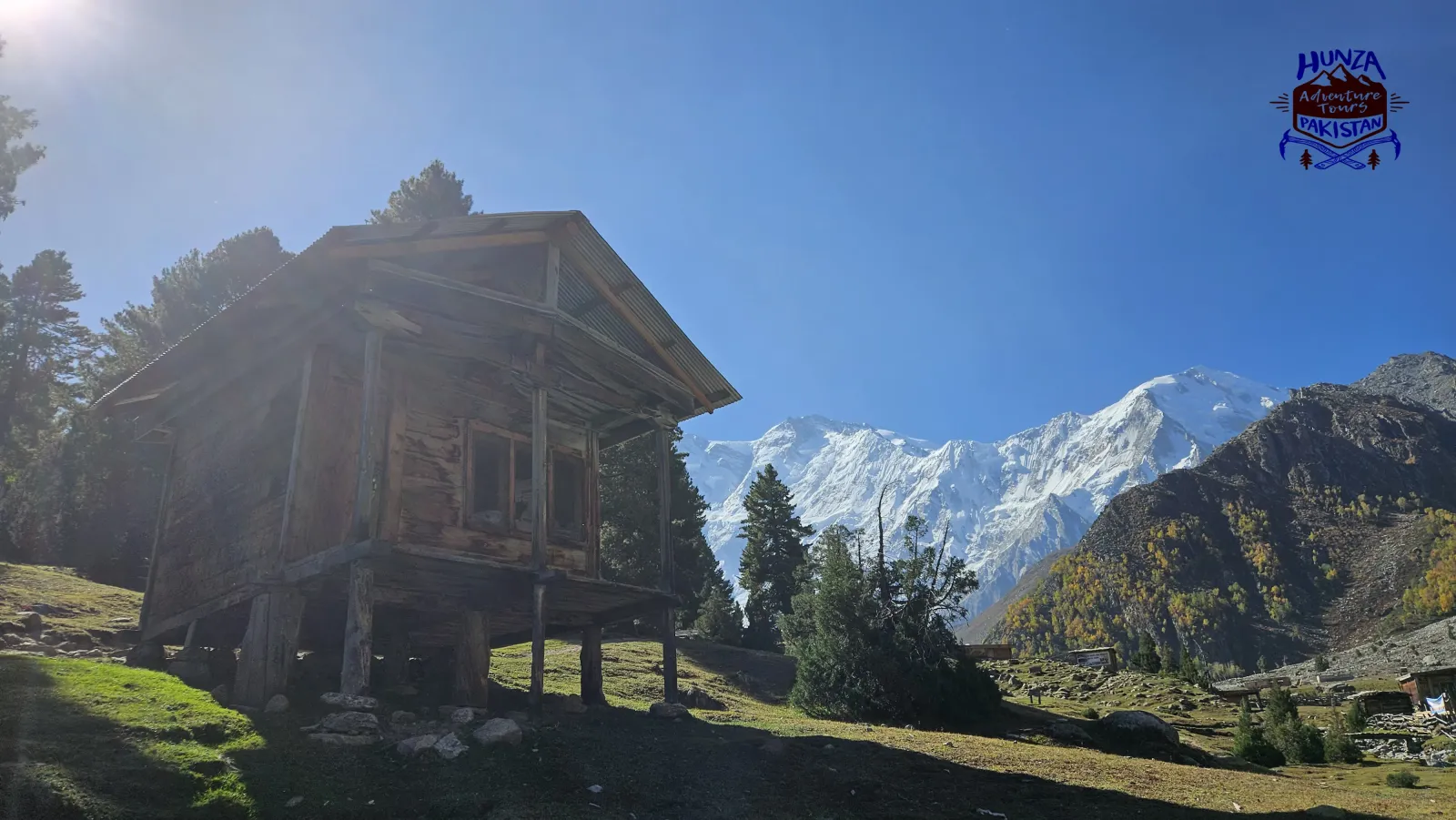
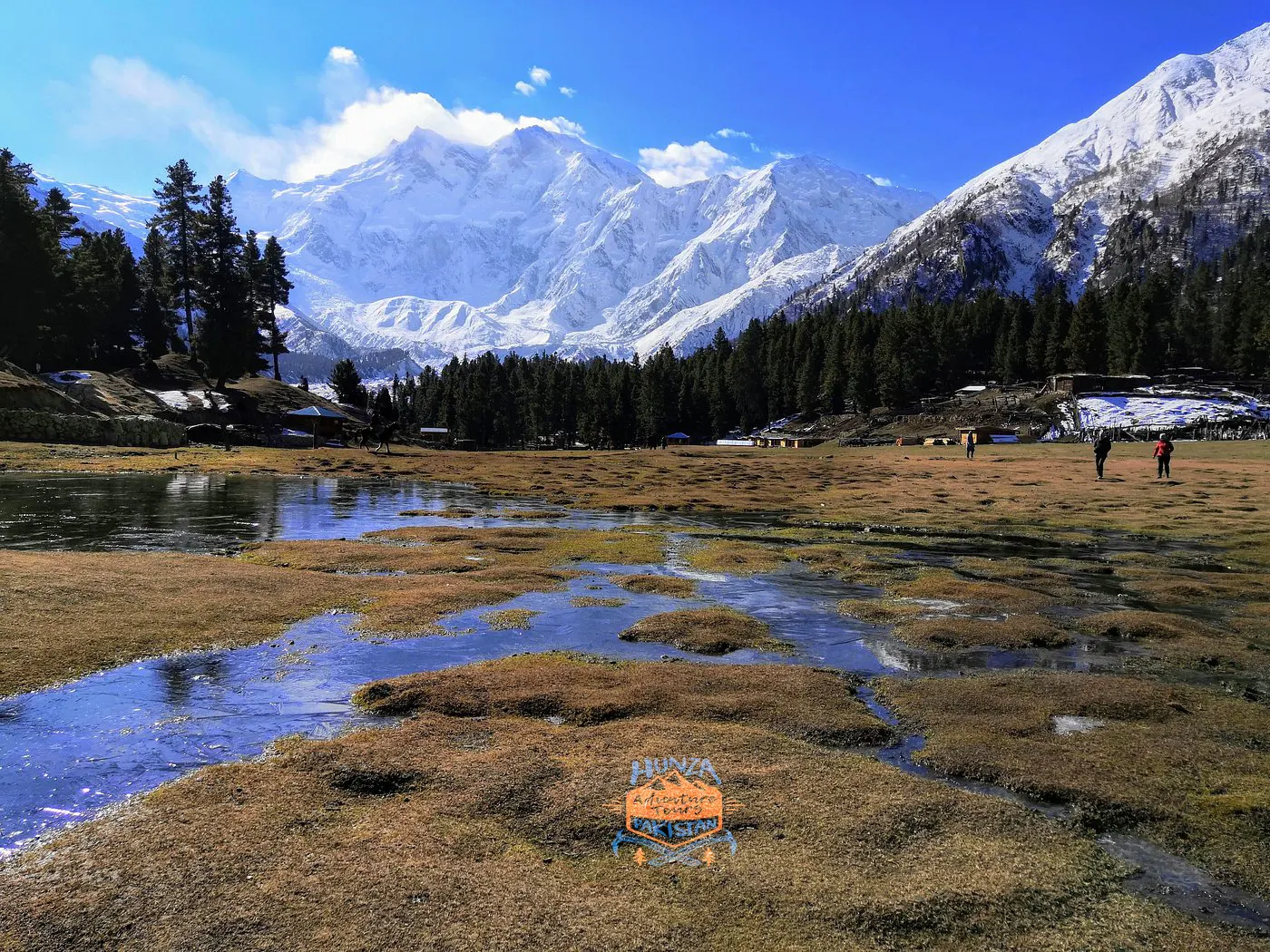
- Fairy Meadows – Trek through this stunning alpine meadow
- Nanga Parbat Base Camp (4,150m) – Camp beneath the colossal mountain face
- Full-board logistics until Base Camp and above
- Experienced high-altitude Sherpas and support staff
- Satellite communication and emergency support
Day-by-Day Itinerary (45 Days)
Arrival Islamabad
Arrive at Islamabad International Airport. Meet and greet by Hunza Adventure Tours representative, then transfer to hotel. Rest of the day to recover from your journey. In the afternoon, a detailed expedition briefing will prepare you for the thrilling ascent ahead. Meet your fellow climbers and expedition leaders. Overnight at hotel. Altitude: 500m | Meals: Dinner
Islamabad – Official Procedures & Preparation
The day is dedicated to completing all necessary official procedures, permits, and expedition arrangements. Visit the Tourism Department and Mountaineering Authorities to finalize climbing permits and documentation. Check your gear, make last-minute purchases, and prepare mentally for the challenging ascent. Our expedition leaders will conduct a detailed briefing discussing the route, safety measures, acclimatization plans, and emergency protocols. Overnight at hotel. Altitude: 500m | Meals: Breakfast, Dinner
Islamabad – Chilas (via Karakoram Highway)
After finalizing permits, embark on a spectacular road journey to Chilas (1,265m) along the legendary Karakoram Highway. The highway follows the Indus River, cutting through dramatic gorges, rugged cliffs, and picturesque valleys. The journey takes 8-10 hours, offering stunning landscapes from lush foothills to arid terrain. Arrive at Chilas, check into a comfortable hotel, and rest after the long drive. Overnight at hotel. Altitude: 1,265m | Drive: 8-10 hours | Meals: Breakfast, Dinner
Chilas – Rest & Acclimatization Day
A rest and acclimatization day in Chilas. Spend the day relaxing, exploring the surroundings, and reviewing your climbing gear. Chilas is known for its ancient rock carvings and petroglyphs dating back thousands of years. A short walk along the Indus River or a visit to nearby viewpoints offers spectacular views. Our expedition team will conduct a pre-trek briefing covering weather updates, logistics, and safety protocols. Overnight at hotel. Altitude: 1,265m | Meals: Breakfast, Dinner
Chilas – Halale – Trek to Kachal
Drive to Halale (3,050m) , a remote and scenic location that serves as a gateway to the Nanga Parbat Base Camp trek. The drive takes us through winding mountain roads, high-altitude valleys, and breathtaking landscapes. Upon reaching Halale, begin the trek to Kachal (3,880m) — a challenging yet rewarding hike through rocky trails, alpine meadows, and glacial moraines. The trail offers panoramic views of the Himalayas, with occasional sightings of ibex and Himalayan marmots. Set up camp at Kachal and enjoy a hot meal. Overnight camping. Altitude: 3,880m | Trek: 5-6 hours | Meals: Breakfast, Lunch, Dinner
Kachal – Nanga Parbat Base Camp
Trek from Kachal (3,880m) to Nanga Parbat Base Camp (4,150m) . This challenging yet exhilarating journey takes us through high-altitude alpine terrain, rugged glacial paths, and breathtaking Himalayan landscapes. As we gain elevation, vegetation thins, revealing a vast expanse of rocky moraines and towering ice walls. The trek is steady but demanding, requiring careful pacing for proper acclimatization. Arrive at Base Camp and settle into our well-equipped campsite, which serves as the launch point for the summit push. The base camp offers spectacular close-up views of the colossal mountain face. Overnight camping. Altitude: 4,150m | Trek: 4-5 hours | Meals: Breakfast, Lunch, Dinner
Climbing & Acclimatization Period
35 days dedicated to the ascent of Nanga Parbat (8,126m).
The climbing period involves:
Acclimatization rotations between Base Camp, Camp 1 (5,000m), Camp 2 (6,100m), Camp 3 (6,800m), and Camp 4 (7,300m)
Route fixing on the Kinshofer Route (Diamir Face)
Summit push from Camp 4, usually a 12-18 hour round trip
Rest and recovery days between rotations
Weather window monitoring with satellite updates
Our mountain guide, chef, and support staff will stay at Base Camp during the entire climbing period. Oxygen, ropes, and all climbing equipment are provided by Hunza Adventure Tours.
Camp Details:
Camp 1 (5,000m): After navigating steep glacial terrain
Camp 2 (6,100m): Through mixed rock and ice
Camp 3 (6,800m): In the exposed alpine zone
Camp 4 (7,300m): Launch point for the summit push
Note: The summit attempt is weather-dependent and requires careful judgment. Safety is always the priority.
Base Camp – Diamoroi
Descend from Base Camp (4,150m) towards Diamoroi (3,850m) . The route takes us through rocky moraines, alpine meadows, and rugged high-altitude terrain. As we descend, the air becomes thicker, oxygen levels increase, and temperatures begin to rise. Set up camp at Diamoroi for the night, enjoying a well-deserved rest. Overnight camping. Altitude: 3,850m | Trek: 4-5 hours | Meals: Breakfast, Lunch, Dinner
Diamoroi – Halale – Chilas
Trek from Diamoroi (3,850m) to Halale (3,050m) , gradually stepping out of the high-altitude terrain. The trail winds through rocky ridges, alpine meadows, and glacial valleys. Upon reaching Halale, conclude the trekking portion and drive back to Chilas (1,265m) . The route follows the Indus River through dramatic gorges and remote villages. Arrive at Chilas, check into a hotel, and rest. Overnight at hotel. Altitude: 1,265m | Trek: 4-5 hours + Drive: 2-3 hours | Meals: Breakfast, Lunch, Dinner
Chilas – Islamabad
Drive from Chilas (1,265m) to Islamabad (500m) along the Karakoram Highway. The drive takes 8-10 hours, retracing the route through deep valleys and along the Indus River. As we descend, the climate becomes warmer, and scenery transitions to greener landscapes. Arrive in Islamabad and check into a hotel. In the evening, a celebratory dinner is arranged. Overnight at hotel. Altitude: 500m | Drive: 8-10 hours | Meals: Breakfast, Dinner
Departure
After successfully completing the Nanga Parbat Expedition, transfer to Islamabad International Airport for your flight back home. Depending on your flight schedule, you may have free time to explore the city or relax at the hotel. Meals: Breakfast
What's Included & Excluded
Package Inclusions
- Arrival & Departure: Pick and drop facility-Airport/Hotel/Airport
- Roundtrip ground transfer Islamabad-Chilas & Chilas-Halale and return
- 3 nights hotel accommodation in Islamabad with breakfast
- All tented accommodation in trek, base camp, and all higher camps (C1, C2, C3 & C4)
- Full board meals (breakfast, lunch, dinner) with tea/coffee during the trek
- Freshly cooked meals (Continental, Pakistani and Chinese) at base camp
- EPI Gas and burner, cooking pots and high-altitude food above base camp
- Liaison officer and base camp staff
- Nanga Parbat Climbing Permit and necessary paperwork
- All trekking permits (National Park Permit, Entrance fee)
- Well-trained and friendly base camp staff, cook and support staff
- Supplemental oxygen and medical supplies
- Kitchen tent, dining tent, toilet tent, shower tent, store tent, sleeping tents, tables and chairs, solar panels and heaters at base camp
- Transportation of food supplies and equipment from Islamabad to Halale and Halale to base camp and return
- Experienced high-altitude Sherpa team
- Walkie talkies for communicating between base camp and higher camps
- Welcome dinner and Farewell dinner with Hunza Adventure Tours team in Islamabad
- A comprehensive First Aid Medical Kit
Package Exclusions
- International airfare and Pakistan visa fee
- Personal travel, medical and rescue insurance
- Personal trekking and climbing equipment
- Drone and special filming permit
- Internet, alcoholic beverages, mineral water, hot shower
- Additional hotel stays in case of early arrival and late departure
- Summit bonus for climbing Sherpa
- Tips for guides, sherpas, porters, and base camp staff
- Any other services not mentioned in Cost Inclusions
Trek & Route Map
Interactive geographical route & terrain map for Nanga Parbat (8,126m) Peak Expedition
Terms & Conditions
Hunza Adventure Tours promulgates its terms and conditions for all tours, treks, expeditions, and safaris operated by the company in Pakistan.
Reservation & Advance Payment Requirements
- 50% advance deposit is required upon confirmation to secure permits, hotel rooms, transport, and certified mountain guides.
- The full balance settlement must be cleared upon arrival in Pakistan before departure.
- Advance deposits can be directly wired to our official corporate bank account at Bank Alfalah.
Official Corporate Bank Account Details
Direct all international wire transfers to our official account at Alfalah Bank Pakistan:
A 50% advance deposit is required upon confirmation. Deposits are non-refundable in case of client cancellation, but 100% refundable if the company encounters unforeseen logistical impediments.
All tour packages provide hotel rooms on a twin-sharing basis. A single room supplement charge applies for single occupancy requests.
No refunds will be made to participants who voluntarily leave the tour before completion for any unused nights, transport, or meals.
Our certified tour directors hold complete operational authority. Disruptive or unlawful behavior may result in immediate dismissal from the tour group.
All participants are advised to secure comprehensive international travel insurance covering emergency medical expenses and trip cancellation prior to arrival.
Passports must be valid for at least 6 months. We issue official DTS-licensed LOI documentation for the Pakistan online eVisa portal within 24 hours of booking.
Packing & Travel Essentials
- Sturdy trekking boots / trail walking shoes
- Comfortable slip-on shoes for camps & lodges
- 3-4 pairs of wool/synthetic socks
- Thermal base layers & warm fleece jacket
- Waterproof & windproof outer shell
- Sun hat, warm beanie, and lightweight gloves
- High SPF 50+ sunscreen & polarized sunglasses
- Camera / action cam with extra batteries
- Portable power bank & universal adapter
Frequently Asked Questions
Where is Nanga Parbat located?
Nanga Parbat is located in Gilgit-Baltistan's Diamer District, Pakistan. It is the westernmost point of the Himalayas, with the Indus River flowing at its base.
What is the normal route on Nanga Parbat?
For a modern supported expedition, the answer is generally the Diamir Face / Kinshofer system. It is the line used by most commercial and supported teams.
But “the Kinshofer Route” is not a perfectly simple historical label. The 1962 second ascent established the first successful line on the Diamir side, and modern route diagrams commonly call that line and its present-day variation Kinshofer. Older mountaineering records, however, have used the name differently.
The Rupal Face is not one route. It contains the 1970 Messner Route, the Schell Route, the Anderson–House Central Pillar and other major lines.
The Rakhiot side holds Hermann Buhl’s historic 1953 first-ascent route, while the Mazeno Ridge is one of the longest and most serious ridge objectives ever completed on an 8,000-meter mountain.
How difficult is Nanga Parbat?
Nanga Parbat is considered extremely challenging due to its steep slopes, dramatic ridges, and extreme weather. It is known as the "Killer Mountain" for its high fatality rate.
What experience do I need?
Climbers should have prior experience on high-altitude expeditions, preferably having summited peaks above 7,000 meters. Technical proficiency in ice and rock climbing, as well as excellent physical fitness, are essential.
What is the best season?
The optimal climbing season is during the summer months, from June to August, when weather conditions are most favorable.
What are the camp altitudes?
Base Camp: 4,150m
Camp 1: 5,000m
Camp 2: 6,100m
Camp 3: 6,800m
Camp 4: 7,300m
What are the main risks?
Major risks include avalanches, crevasses, extreme cold, high-altitude sickness, and sudden weather changes .
Is supplemental oxygen used?
Yes, 3 oxygen bottles are provided per member, with 2 for the climbing Sherpa.
What training is required?
Training includes high-altitude endurance, strength training, glacier travel, and technical climbing skills .
What insurance is required?
High-altitude mountaineering insurance covering helicopter rescue, medical evacuation, and repatriation is mandatory.